
Ways to Cultivate Your Executive Presence for Effective Leadership
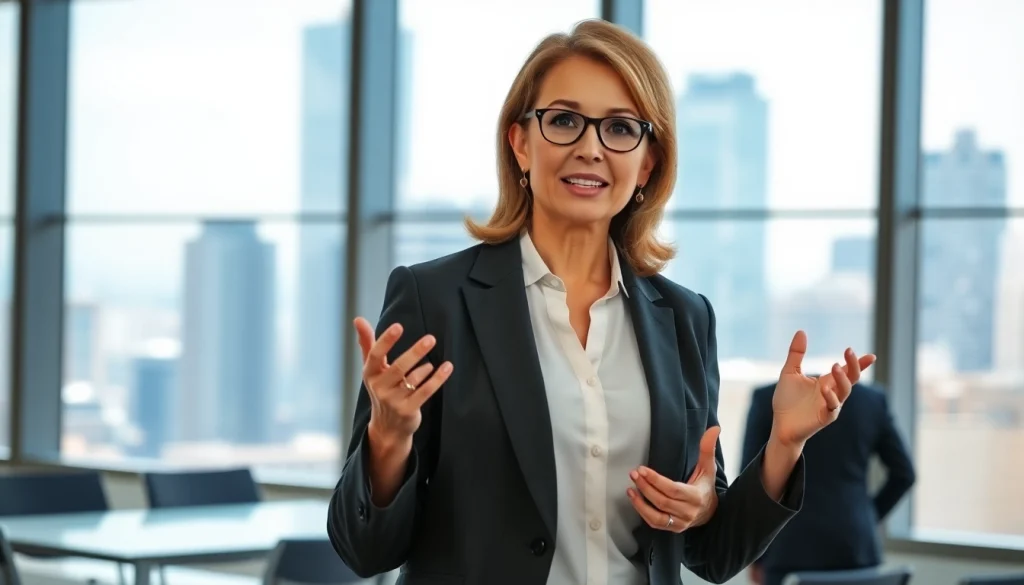
In the competitive world of leadership, Executive Presence serves as a crucial component that distinguishes successful leaders from the rest. It refers to the atmosphere and gravitas that leaders project, influencing how their messages are received and their ability to inspire others. Understanding and developing executive presence can significantly enhance your leadership effectiveness and overall impact within any organization.
Understanding Executive Presence
Defining Executive Presence
Executive presence can be viewed as a blend of personal traits, behaviors, and communication skills that inspire confidence in others. It encapsulates a leader’s ability to project authority, credibility, and confidence in any situation. Essentially, it involves how your personality and energy resonate with those around you. Creating this presence requires a multifaceted approach, combining self-awareness, authenticity, and effective communication.
Importance of Executive Presence in Leadership
The significance of executive presence in leadership cannot be overstated. It not only influences the perception of a leader but can also have tangible effects on team dynamics, organizational culture, and overall business success. Leaders with executive presence are often seen as more credible and persuasive, enabling them to garner support for their ideas and initiatives. Research indicates that leaders who maintain a strong executive presence can inspire their teams, leading to higher levels of engagement and performance.
Key Traits of Executive Presence
Identifying the traits associated with executive presence is essential for leaders seeking to enhance this aspect of their persona. Some key traits include:
- Confidence: The ability to project self-assurance, especially in high-pressure situations.
- Composure: Maintaining calmness and poise under stress, which fosters trust and stability.
- Clarity: Expressing thoughts and ideas clearly, ensuring that messages are understood without ambiguity.
- Authenticity: Being genuine in interactions, which helps in building stronger relationships.
- Empathy: Understanding and valuing others’ perspectives, which enhances interpersonal communications.
Building Confidence for Executive Presence
Overcoming Self-Doubt
Self-doubt is one of the most significant barriers to developing executive presence. Leaders must recognize their value and capabilities to overcome mental blocks. Strategies such as positive self-talk, seeking mentorship, and continuously reflecting on past achievements can help reinforce confidence. Additionally, engaging in self-development activities such as workshops or professional coaching can also provide the tools needed to boost self-esteem.
Practicing Public Speaking
Public speaking is a vital skill that enhances executive presence. Leaders should seek out opportunities to speak in public, whether it is in meetings, conferences, or community events. Practicing speeches in front of a mirror or with trusted colleagues can help ease nerves and develop a more authoritative speaking style. Furthermore, joining groups like Toastmasters can provide ongoing support and opportunities to refine public speaking skills.
Developing a Strong Personal Brand
To build executive presence, leaders need to cultivate a personal brand that aligns with their values and strengths. This involves identifying what makes you unique and how you want to be perceived by others. Elements of a strong personal brand include a consistent professional image, a compelling narrative of your leadership journey, and authenticity in every aspect of your work. Social media platforms can also serve as powerful tools for sharing your brand and connecting with a wider audience.
Non-Verbal Communication Techniques
The Power of Body Language
Non-verbal cues often speak louder than words when it comes to executive presence. Good posture, controlled gestures, and open body language can communicate confidence and approachability. Leaders should work on projecting an image of strength and assurance through their physical presence. This can include standing tall, using purposeful movements, and avoiding distracting gestures that may undermine credibility.
Using Eye Contact Effectively
Eye contact establishes a connection and shows engagement. Leaders should practice maintaining eye contact during conversations and presentations as it enhances credibility and authority. However, it’s also essential to strike a balance; too little eye contact may convey disinterest, while too much can be intimidating. Strive for a natural flow that reinforces camaraderie with the audience.
Mastering Facial Expressions
Facial expressions play a critical role in conveying emotions and intentions. A leader with executive presence knows how to align their expressions with their message. Practicing in front of a mirror or recording yourself can enhance awareness of your facial expressions while speaking. Employing a range of expressions that reflect enthusiasm, concern, or confidence as appropriate can engage your listeners more effectively.
Verbal Communication Strategies
Crafting Clear Messages
Effective leaders communicate with clarity and precision. Crafting your messages so they are straightforward and easily digestible is crucial. Avoid jargon unless necessary, and tailor your messages to your audience’s understanding. Structuring communication with a clear beginning, middle, and end enhances retention and impact.
Active Listening Skills
Active listening is foundational for effective communication. It demonstrates respect and validation, essential qualities for leaders seeking to build strong relationships. Practicing active listening techniques, such as summarizing what the speaker says and asking clarifying questions, can reinforce this skill. It further fosters an environment conducive to open discussions and collaboration.
Engaging Storytelling
Engaging storytelling can boost a leader’s ability to connect with their audience. Stories humanize a leader’s message and make it relatable. Every leader can develop their storytelling capabilities to enhance their executive presence; it involves structuring narratives to both inform and inspire. Understanding the key elements of a captivating story—like a clear conflict, resolution, and lesson—will vastly improve your communication’s effectiveness.
Assessing and Improving Your Executive Presence
Receiving Constructive Feedback
Receiving feedback is essential for growth. Leaders should solicit feedback regularly about their executive presence from trusted colleagues or mentors. Constructive criticism can illuminate blind spots and help individuals focus on specific areas for improvement. Creating an open culture where feedback is normalized can also ease tensions and encourage development within teams.
Self-Assessment Techniques
Self-assessment is vital for measuring your executive presence. Tools such as self-reflection journals, video recordings of presentations, or even personality assessments can provide insight into your strengths and areas needing attention. After honest evaluation, set specific goals for improvement based on identified areas of enhancement.
Continual Learning and Development
Leadership is an ongoing journey; hence continual learning is vital. Engaging with books, workshops, webinars, and mentorship programs can foster growth in executive presence. Commit to lifelong improvement by staying updated on communication trends, leadership best practices, and new methodologies that can enhance both personal and professional aspects.
FAQs About Executive Presence
What is Executive Presence?
Executive presence is the combination of qualities that inspire confidence and command respect in leaders. It involves the way individuals communicate, behave, and interact under pressure.
How can I develop Executive Presence?
Developing executive presence involves building confidence, mastering both verbal and non-verbal communication skills, and creating a strong personal brand. Practice and self-awareness are crucial.
Why is Executive Presence important for leadership?
Executive presence enhances a leader’s credibility and influence. It helps in fostering trust, enhancing communication effectiveness, and inspiring team engagement and alignment.
Are there specific traits associated with Executive Presence?
Yes, key traits include confidence, composure, clarity, authenticity, and empathy. These traits collectively contribute to how others perceive a leader’s capability.
How can feedback help improve my Executive Presence?
Feedback provides valuable insights into your strengths and weaknesses. Constructive criticism helps illuminate areas needing improvement, allowing leaders to refine their approach and enhance their presence.