Precision Excellence with Chiheng Custom CNC Machining Services

Understanding Chiheng Custom CNC Machining
CNC (Computer Numerical Control) machining represents a manufacturing technique that uses computerized controls to operate and manage machining tools, such as lathes, mills, and routers. With Chiheng Custom CNC Machining, clients benefit from precision engineering that meets a variety of industrial needs. This revolutionary approach facilitates the precise crafting of parts from various materials, which can be tailored according to specific design requirements.
What is CNC Machining?
CNC machining is an advanced method of manufacturing parts that allows for automating the complex process of cutting and shaping materials. The procedure begins with a digital design created via CAD (Computer-Aided Design) software. This digital blueprint is then transferred to CNC machines, which interpret the designs and execute the necessary operations to manufacture the part with high accuracy. Typically, CNC machining can achieve tolerances as tight as ±0.005mm, making it ideal for industries where precision is crucial.
Applications of CNC Machining
The versatility of CNC machining allows it to be employed across multiple industries, including:
- Aerospace: Precise components that maintain safety standards.
- Automotive: Custom parts and prototypes for vehicles.
- Medical: Tailored instruments for healthcare applications.
- Electronics: Small, intricate parts for gadgets and devices.
- Industrial Equipment: Custom components for machines and tools.
Key Advantages of Custom CNC Machining
The primary advantages of Chiheng Custom CNC Machining include:
- High Precision: Automatic processes eliminate human error, ensuring parts are produced to exact specifications.
- Flexible Production: CNC machines can produce numerous variations of a part, allowing for extensive customization.
- Efficiency: Reduced machining time leads to rapid production turnaround.
- Cost-Effective: Particularly for large production runs, the process reduces waste and lowers labor costs.
The Chiheng Custom CNC Machining Process
At Chiheng, the journey from concept to completion is structured and systematic, ensuring exceptional results. Here’s how our CNC Machining process unfolds:
Design and Prototyping
The initial step in the CNC machining process involves designing the component. Clients provide specifications and CAD files outlining precise dimensions. From here, a prototype can be developed, allowing testing and validation of the design before full-scale production. Rapid prototyping speeds up the development cycle and helps in identifying issues early in the manufacturing process.
Machining Techniques Employed
Various methods are utilized in the CNC machining process, including:
- Turning: Perfect for cylindrical parts, where material is rotated against cutting tools.
- Milling: Involves rotating cutters to remove material, ideal for complex shapes.
- Electrical Discharge Machining (EDM): Removes material through electrical discharges, suitable for hard materials.
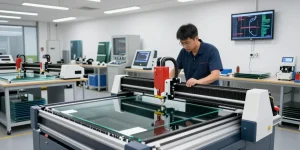
- Laser Cutting: Uses high-powered lasers for intricate patterns and shapes.
Quality Control Measures
Quality assurance is a vital aspect of the CNC machining process. At Chiheng, every manufactured part undergoes rigorous inspection to ensure adherence to the specified tolerances. Advanced measurement tools, such as coordinate measuring machines (CMM), are employed to guarantee the accuracy and reliability of the product, helping to build trust with our clients.
Materials Used in Chiheng Custom CNC Machining
Choosing the right material is pivotal in CNC machining as it affects durability, functionality, and cost. Chiheng offers a variety of materials to suit different applications.
Metals Suitable for CNC Machining
Common metals used in CNC machining include:
- Aluminum: Lightweight, corrosion-resistant, and easy to machine.
- Steel: Strong and sturdy, available in multiple grades.
- Brass: Excellent for precision machining and aesthetic finishes.
- Titanium: High strength-to-weight ratio, ideal for aerospace applications.
Plastics and Composites
CNC machining isn’t limited to metals. Various plastics and composite materials can be efficiently machined, including:
- Polycarbonate: Impact-resistant and transparent, suitable for protective equipment.
- ABS: Strong, tough, and easy to mold, often used in prototypes.
- Nylon: Offers excellent wear resistance, making it ideal for moving parts.
Choosing the Right Material for Your Project
Selecting the correct material for your project hinges on multiple factors such as requirements for strength, weight, and cost. Consider the operational environment, the part’s function, and production volume. Consultation with the Chiheng team can facilitate material selection, ensuring optimal performance in your applications.
Cost Factors in Chiheng Custom CNC Machining
Understanding the cost structure of CNC machining is crucial for budget planning. Several factors come into play when estimating costs.
Understanding Pricing Structures
Pricing for custom CNC machining depends largely on the complexity of parts, material selection, and machine run times. Each project is evaluated to quote an accurate price that reflects these variables, ensuring transparency and predictability for clients.
Volume vs. Prototype Production Costs
Production volume significantly impacts cost. While prototyping may be more expensive due to lower quantities, bulk orders benefit from economies of scale, driving down the per-unit cost. It’s essential to balance initial prototyping expenses with the cost benefits of larger production runs.
Budgeting for CNC Projects
When budgeting for CNC projects, consider not only the machining costs but also factors like design complexity, material types, and potential revisions. Planning for contingencies and unforeseen expenses is advisable, as it enables smoother progress from design to delivery.
FAQs about Chiheng Custom CNC Machining
How to Request a Quote?
To request a quote, simply provide detailed specifications and any CAD files. This information will help us generate an accurate estimate for your project.
What is the Standard Turnaround Time?
Standard turnaround time typically ranges from a few days to several weeks, depending on project complexity and materials. Consult with our team for specific timelines.
How Does Chiheng Ensure Precision in Machining?
Chiheng employs advanced CNC machines and strict quality control processes, including constant measurements and inspections throughout the production cycle, to ensure precision.
Can Sample Runs Be Requested?
Yes, we offer sample runs to allow clients to evaluate our machining capabilities before committing to larger production quantities.
What Industries Benefit from CNC Machining?
Industries such as aerospace, automotive, medical, electronics, and industrial manufacturing rely on CNC machining for high precision, custom parts and components.