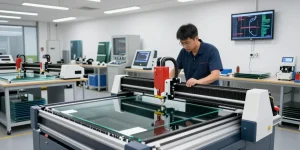
Integrating Design and Engineering for Innovative Solutions
Understanding Design and Engineering
Definition of Design and Engineering
Design and engineering encompass the comprehensive processes involved in conceptualizing, developing, and realizing innovative products, systems, or structures. Design focuses on aesthetics, functionality, and user experience, while engineering emphasizes technical feasibility, safety, and performance standards. The integration of these two disciplines is essential in creating solutions that are not only visually appealing but also operationally effective.
Key Components of Design and Engineering
Key components of design and engineering include:
- Creativity: Generation of innovative ideas and concepts.
- Technical Skills: Proficiency in relevant software and methodologies.
- Collaboration: Working across various disciplines and teams to achieve a common goal.
- Research and Development: Continuous exploration of new materials and technologies.
- Prototyping: Building and testing models to validate concepts and features.
Importance in Modern Industries
In today’s fast-paced world, the importance of design and engineering spans across various industries, from technology and healthcare to construction and consumer products. The ability to innovate rapidly while maintaining quality standards is crucial. Companies that excel in these fields can respond to market changes, enhance user satisfaction, and reduce costs through efficient design and engineering. This synergy leads to more sustainable practices and improved product life cycles, making it an integral aspect for businesses aiming for longevity and market relevance.
The Design Process: Steps and Best Practices
Identifying User Requirements
The foundation of effective design begins by thoroughly understanding user requirements. Engaging with stakeholders through surveys, interviews, and focus groups helps gather insights about their needs and preferences. Clear documentation of these requirements guides the design efforts, ensuring the product aligns with user expectations and addresses real-world problems.
Creating Initial Concepts
Once user requirements are identified, the next step involves brainstorming and sketching initial concepts. Designers often use techniques like mind mapping to generate a variety of ideas. This phase encourages creativity without the constraints of feasibility, allowing for the exploration of multiple solutions. Concept images and storyboards can be developed to visualize how the final product will interact with users.
Prototyping and Testing
Prototyping bridges the gap between design and reality. It allows teams to create tangible representations of their ideas. Prototypes can range from low-fidelity models, such as paper sketches or digital mock-ups, to high-fidelity versions that resemble the final product. Testing these prototypes provides valuable feedback on functionality, usability, and overall user experience. Iterative cycles of testing and refinement are vital to address any issues before moving to full-scale production.
Engineering Considerations in Design
Material Selection and Sustainability
Choosing the right materials is crucial in the design and engineering process. Not only do materials impact functionality and aesthetics, but they also affect durability and sustainability. Engineers need to evaluate the environmental implications of material choices, opting for renewable, recyclable, or low-impact resources whenever possible. The trend towards sustainability is driving innovations in eco-friendly materials, enhancing the responsibility of companies in their production processes.
Structural Integrity and Safety
Ensuring structural integrity and safety is a fundamental aspect of engineering within the design process. Engineers must conduct rigorous analyses, including stress testing and simulations, to ensure that products and structures can withstand operational conditions and meet safety regulations. Failing to prioritize this aspect can lead to catastrophic failures and significant liabilities.
Interoperability and Technological Integration
As technology continues to evolve rapidly, ensuring interoperability between systems and components has become increasingly important. Designers and engineers must consider how their designs will work within existing ecosystems or with future technologies. This foresight helps prevent obsolescence and promotes seamless integration, enhancing user experience and satisfaction.
Case Studies in Effective Design and Engineering
Innovative Architectural Projects
Architectural projects often serve as the epitome of successful design and engineering integration. For instance, skyscrapers often reflect cutting-edge engineering capabilities combined with striking design elements. By utilizing high-strength materials and innovative structural techniques, architects can create buildings that are both visually stunning and highly functional. The design of sustainable structures that incorporate renewable energy sources has emerged as a notable trend, reflecting modern priorities in environmental responsibility.
Successful Product Designs
Case studies of successful product designs often showcase the balance between user-centric design and engineering feasibility. Products that have become market leaders typically feature intuitive designs that cater to user needs while incorporating advanced manufacturing techniques. For instance, the evolution of smartphones demonstrates the power of manipulating form and function to deliver outstanding technological capabilities in a compact, aesthetically pleasing package.
Impact of Engineering on Design Efficiency
Effective engineering practices can significantly enhance design efficiency. By employing techniques such as design for manufacturability (DFM) and concurrent engineering, teams can streamline the development process, reduce lead times, and improve product quality. Monitoring real-time data during the engineering phase can also illuminate areas for optimization, resulting in refined designs that better meet market demands.
Careers in Design and Engineering
Roles and Responsibilities
Careers in design and engineering span a wide array of roles, including design engineers, product designers, mechanical engineers, and more. Each role carries specific responsibilities, such as creating technical drawings, conducting simulations, or collaborating on cross-functional teams. As industries evolve, new roles are emerging that focus on sustainable practices, user experience, and digital transformation, representing a promising avenue for professionals.
Skills Required for Success
To thrive in design and engineering, professionals must cultivate a mix of technical and soft skills. Proficiency in design software, such as CAD programs, is essential. Critical thinking and problem-solving abilities allow for effective troubleshooting and decision-making. Moreover, strong communication skills enable collaborations across various teams and ensure user needs are at the forefront of design efforts.
Future Trends in Design and Engineering
The future of design and engineering is set to be influenced by several trends, including increased reliance on artificial intelligence (AI) and machine learning, advancements in virtual and augmented reality (VR/AR), and a stronger focus on sustainability. These innovations provide designers and engineers with powerful tools to enhance creativity, streamline workflows, and address complex challenges in their development processes.
Frequently Asked Questions
What is design and engineering?
Design and engineering involve the creative and technical processes of conceiving, designing, and manufacturing products or structures through a structured approach and detailed methodologies.
What do design engineers do?
Design engineers are responsible for creating designs that meet specific needs, developing prototypes, testing functionalities, and refining products for efficiency and effectiveness across various sectors.
How is design different from engineering?
Design focuses on the aesthetics and user experience of a product, while engineering emphasizes functionality, feasibility, and technical parameters to ensure the product’s performance and safety.
What skills are important for a career in design engineering?
Essential skills for design engineers include creativity, technical proficiency with design software, critical thinking, effective communication, and problem-solving abilities to visualize and materialize concepts.
What industries employ design engineers?
Design engineers are employed in various sectors, including construction, automotive, aerospace, electronics, and consumer goods, where their expertise in product development is crucial for innovation.