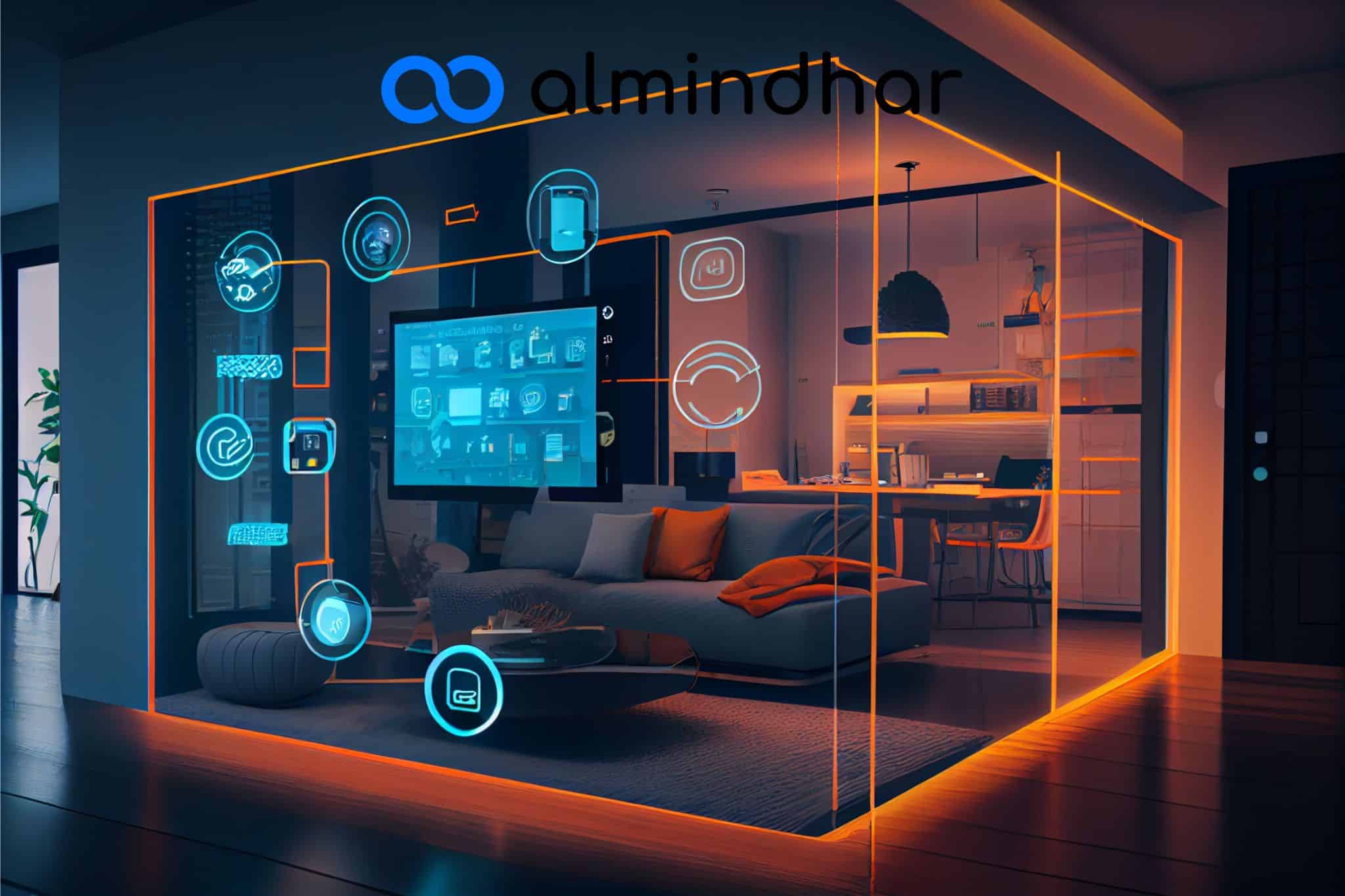
Introduction to the World of Smart Home Technology
In today’s fast-paced digital era, the concept of the Smart Home has transformed from a futuristic fantasy into an everyday reality. Whether you’re a tech enthusiast or someone seeking convenience, safety, and energy efficiency, Smart Home systems offer a seamless blend of automation, innovation, and comfort. At Deep Dive Picks, we explore how these intelligent systems can enhance your lifestyle and help you make informed buying decisions.
What Is a Smart Home?
A Smart Home is a living space equipped with devices connected through the internet, enabling you to control, monitor, and automate various home functions remotely. From lighting and heating to entertainment and security, a Smart Home provides an integrated environment that responds to your voice, smartphone, or preset routines. Imagine adjusting your thermostat before you arrive, or receiving a notification when someone rings your doorbell—all possible thanks to Smart Home technology.
How Smart Home Systems Work
At its core, a Smart Home system relies on a central hub or ecosystem that connects devices through Wi-Fi, Bluetooth, or Zigbee. This hub communicates with devices like smart speakers, plugs, sensors, and cameras. Voice assistants such as Amazon Alexa, Google Assistant, and Apple’s Siri are often the backbone of Smart Home interaction, enabling users to give commands, automate schedules, and even link multiple devices to perform specific tasks simultaneously.

Key Components of a Smart Home System
- Smart Hub or Controller: The brain of your Smart Home, managing communication between devices.
- Connected Devices: Lights, thermostats, cameras, locks, and other intelligent products that perform automated functions.
- Mobile App or Voice Assistant: Tools that allow you to monitor and control devices from anywhere.
- Network Connection: A stable internet connection ensures your Smart Home operates smoothly without delays.
Benefits of Building a Smart Home
The allure of a Smart Home extends far beyond convenience. It’s about transforming your living environment into an intelligent ecosystem that enhances comfort, safety, and efficiency.
1. Convenience and Comfort
With a Smart Home, you can automate daily tasks. Lights turn on when you enter a room, your coffee starts brewing before you wake up, and your favorite playlist begins as you arrive home. Automation reduces manual effort and creates a lifestyle centered around ease.
2. Energy Efficiency
One of the most compelling benefits of a Smart Home is energy optimization. Smart thermostats, for instance, learn your habits and adjust heating or cooling accordingly, reducing wasted energy. Smart bulbs can dim or switch off automatically, cutting unnecessary power consumption.
3. Enhanced Security
A Smart Home gives you real-time control over your security system. Smart cameras, doorbells, and locks provide 24/7 surveillance and alerts. You can monitor your home remotely, check visitor footage, or lock doors using your phone. This sense of control brings peace of mind, especially when you’re away.
4. Cost Savings
While the initial investment in a Smart Home may seem high, long-term savings on electricity and energy bills make it worthwhile. Automated systems prevent overuse of lights, HVAC systems, and other devices, leading to consistent savings over time.
5. Customization and Integration
Every Smart Home is unique. You can tailor automation according to your preferences. Integrating multiple devices from different brands into one cohesive ecosystem ensures your Smart Home works in harmony with your lifestyle.
Essential Devices for Your Smart Home
A fully functional Smart Home requires key devices that work together to create a seamless experience. Here are some must-have categories and recommendations to consider before making a purchase.
1. Smart Speakers and Voice Assistants
Devices like Amazon Echo, Google Nest, and Apple HomePod are the control centers of your Smart Home. They enable voice commands for controlling lighting, entertainment, and even appliances. These devices also act as hubs, connecting various systems under one command structure.
2. Smart Lighting
Smart bulbs and switches allow you to adjust brightness, color, and timing through apps or voice assistants. Brands like Philips Hue, LIFX, and Nanoleaf provide customizable lighting experiences that fit every mood and activity.
3. Smart Thermostats
Smart thermostats such as Google Nest and Ecobee optimize your home’s temperature based on your routine. They track energy usage and adapt to your preferences, ensuring maximum comfort with minimal energy waste.
4. Smart Security Systems
Protecting your home has never been easier. Smart doorbells with video capability, motion sensors, and connected alarms give your Smart Home a robust layer of protection. Devices like Ring and Arlo let you see who’s at the door or detect movement in real-time.
5. Smart Plugs and Outlets
Smart plugs convert traditional appliances into intelligent devices. They let you switch gadgets on or off remotely, schedule operations, and even monitor energy consumption—an excellent way to make your Smart Home more efficient.
6. Smart Appliances
Modern Smart Home systems integrate major appliances such as refrigerators, washing machines, and ovens. These appliances can notify you of maintenance needs, suggest energy-saving settings, and even start a cycle with a voice command.
Choosing the Right Smart Home Ecosystem
Selecting the right ecosystem determines the compatibility and performance of your Smart Home devices. The most popular ecosystems—Google Home, Amazon Alexa, and Apple HomeKit—each have unique strengths.
Amazon Alexa
Known for its vast compatibility and affordability, Alexa supports a wide range of devices, making it a great choice for first-time Smart Home users.
Google Home
Google’s AI integration allows for personalized automation, contextual responses, and smooth interaction between connected devices in your Smart Home.
Apple HomeKit
Apple’s Smart Home ecosystem prioritizes privacy and security, ideal for users already invested in Apple products.
Setting Up Your Smart Home Step-by-Step
Setting up a Smart Home may seem complex, but a step-by-step approach simplifies the process.
- Plan Your Goals: Determine what functions you want to automate—lighting, temperature, or security.
- Choose an Ecosystem: Select a platform that supports most of your desired devices.
- Invest in a Reliable Network: A strong Wi-Fi connection is crucial for seamless operation.
- Start Small: Begin with essential devices like smart plugs or a smart speaker before expanding.
- Integrate and Customize: Add devices gradually and automate routines to suit your schedule.
Common Mistakes to Avoid When Building a Smart Home
Even experienced users can make errors when setting up their Smart Home. Avoid these pitfalls for a smoother experience.
- Neglecting Compatibility: Ensure all your devices work under one ecosystem to prevent connection issues.
- Ignoring Security Updates: Regularly update device firmware to protect your Smart Home from cyber threats.
- Overcomplicating Automation: Too many routines can make your Smart Home harder to manage. Start simple.
- Weak Network Setup: Poor Wi-Fi coverage leads to lag and disconnections. Consider mesh routers for large homes.
Future Trends in Smart Home Technology
The Smart Home landscape continues to evolve with exciting innovations. Artificial Intelligence and the Internet of Things (IoT) are making homes smarter than ever. Future Smart Home devices will use predictive automation, learning your habits to anticipate needs automatically. Voice recognition and gesture controls will improve, while sustainability will play a central role, with smart systems focusing on reducing waste and carbon footprints.
Security and Privacy in a Smart Home
As Smart Home systems become more advanced, cybersecurity and data privacy have become top priorities. Always choose devices with encryption and regular software updates. Use strong passwords and enable two-factor authentication to safeguard your Smart Home from potential threats.
Cost Considerations and ROI of a Smart Home
Building a Smart Home can range from a few hundred dollars to several thousand, depending on complexity. While the upfront investment might be significant, the return on investment is clear. Energy savings, improved security, and increased property value make it a worthwhile decision. Many homeowners even find that a Smart Home setup adds appeal to potential buyers.
Why You Should Invest in a Smart Home Today
A Smart Home isn’t just about luxury—it’s about living smarter. From streamlining tasks to enhancing safety and sustainability, the benefits are endless. Investing in a Smart Home today means preparing your space for the future, where comfort, efficiency, and technology blend seamlessly.
Conclusion
The Smart Home revolution is reshaping the way we live, work, and interact with our surroundings. As technology continues to advance, homeowners can enjoy unprecedented convenience, security, and efficiency. Whether you’re just starting or looking to upgrade your system, understanding the fundamentals of Smart Home technology ensures you make confident and informed decisions. At Deep Dive Picks, we believe that the right Smart Home investment transforms not only your house but your entire lifestyle. Find everything you need to know on our main site.
Frequently Asked Questions
1. What is a Smart Home system?
A Smart Home system connects devices like lights, cameras, and thermostats through the internet, allowing you to control and automate them remotely.
2. How much does it cost to set up a Smart Home?
The cost of a Smart Home setup varies, but a basic starter kit may begin around $200, while advanced systems can exceed $2,000 depending on device choices.
3. Are Smart Home devices secure?
Yes, if maintained properly. Use strong passwords, enable two-factor authentication, and regularly update firmware to ensure your Smart Home remains protected.
4. Can different Smart Home devices work together?
Yes, most Smart Home devices are compatible through shared ecosystems like Amazon Alexa, Google Home, or Apple HomeKit, ensuring smooth integration.
5. What are the biggest benefits of owning a Smart Home?
The main benefits of a Smart Home include convenience, energy efficiency, enhanced security, and long-term cost savings through automation and control.