Understanding PPF and Its Benefits
What is PPF?
Paint Protection Film (PPF) is a thermoplastic urethane film applied to a vehicle's exterior surfaces to protect the paint from various elements. This protective layer acts as a shield against scratches, chips, and other damage caused by environmental factors, including road debris and harsh weather conditions. PPF is particularly crucial in winter when road salt and grime can wreak havoc on your vehicle's bodywork.
Benefits of PPF
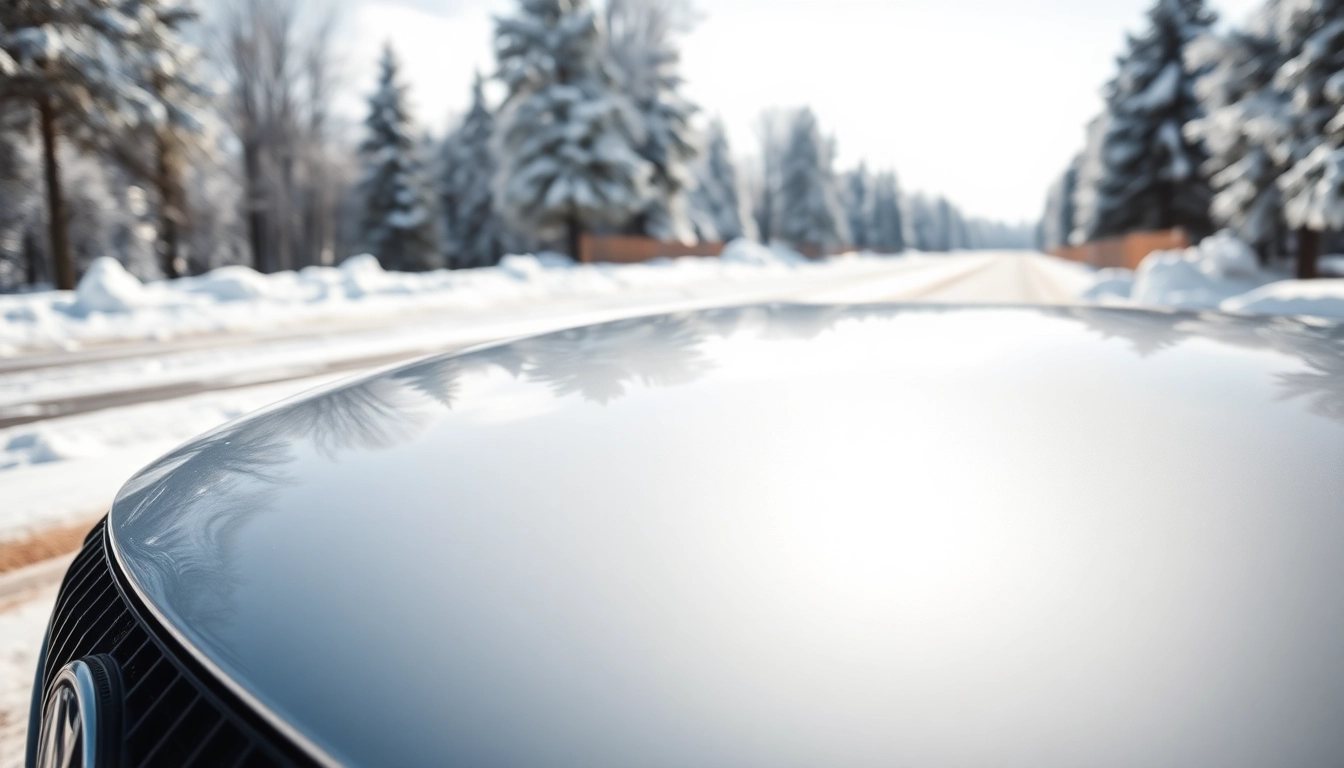
One of the primary benefits of PPF is its ability to preserve your vehicle's aesthetic appeal. By acting as a barrier against scratches, it helps maintain a glossy finish and prevents fading caused by UV exposure. Furthermore, PPF is an invisible layer, ensuring that the look of your car remains pristine while offering robust protection. Additionally, this film is self-healing; minor abrasions can disappear under heat from the sun or a warm garage, which further extends the life of the film and the vehicle's paint.
How PPF Protects Against Salt Damage
During winter months, road salt is frequently used to combat ice and enhance vehicle traction. However, this salt can lead to corrosion, peeling, and permanent damage to your vehicle's paint over time. PPF acts as a sacrificial barrier. By absorbing the impact and chemical exposure from road salt, it minimizes the risk of long-term damage and helps conserve your vehicle's resale value. This PPF winter road salt protection plays a pivotal role in preserving the integrity of your vehicle's surface.
Importance of Winter Road Salt Protection
How Road Salt Affects Vehicles
Road salt is a common sight during winter, especially in colder climates. It is highly corrosive and can react with the metal components of vehicles, leading to rust formation. This exposure can gradually eat away at the metal, leading to structural weaknesses and compromising the vehicle’s safety. Beyond the threat of rust, salt can also mar the vehicle's paint through abrasion and chemical reactions, which diminishes its visual appeal and may require expensive repairs.
Long-Term Damage from Salt Exposure
If left unprotected, the implications of road salt exposure can lead to significant long-term damage. This includes the solid formation of rust, which can spread beneath the paintwork without visible signs on the surface initially. Over time, this leads to bubbling, peeling paint, and ultimately can necessitate costly bodywork repairs. Not only does this affect the vehicle’s longevity, it may also influence the safety and operational performance of various components, including brakes and suspension links.
Signs Your Vehicle Needs Protection
There are several indicators that signal your vehicle may benefit from additional protection against road salt. Look for signs of wear and tear on your paint, such as fine scratches or dullness compared to its original shine. Rust spots, especially in commonly impacted areas like wheel arches and undercarriages, are glaringly evident. Furthermore, if you frequently drive in areas where road salt application is common during winter, implementing PPF can be a proactive step to safeguard your investment.
Selecting the Right PPF for Your Vehicle
Types of PPF Available
When it comes to Paint Protection Films, there are several types available, all designed for specific protection levels and aesthetic preferences. The most common types include standard, self-healing, and hydrophobic films. Standard PPF offers robust protection against scratches and abrasions, while self-healing films possess the ability to repair minor scratches through heat activation. Hydrophobic films provide an added layer of water resistance, allowing dirt and grime to slide off more easily, which can be especially beneficial during winter months.
Factors to Consider When Choosing PPF
Several factors should be taken into account when selecting a PPF. First, consider the climate you live in and how harsh the elements are on your vehicle. For colder areas or regions experiencing heavy winter road salt usage, you may require a more robust film. Additionally, evaluate your performance needs and aesthetic preferences; low-gloss or matte films can complement high-end vehicles, while clear gloss films are ideal for those wishing to maintain a factory finish. Warranty and durability are also critical factors, as they can vary significantly among products.
Comparing Different PPF Brands
While comparing different PPF brands, it is essential to research the reputation and reviews of each manufacturer. Look for films that have undergone rigorous testing for durability, clarity, and performance under harsh conditions. Customer feedback can provide insights into the longevity of the film, ease of application, and effectiveness in protecting against road salt damage. Consulting professional installers can further guide your decision by providing their firsthand experiences with various brands.
Application Process for PPF
Preparing Your Vehicle for PPF Installation
Before PPF installation, it is crucial to prepare your vehicle meticulously. Start by washing your car thoroughly to remove any dirt, debris, or contaminants. This step is essential as it ensures proper adhesion of the film. If possible, remove any wax or sealants from the vehicle’s surface. In some cases, professional detailers may recommend clay bar treatment to provide a smooth surface for the PPF, ensuring a better finish and enhanced longevity of the film.
Professional vs. DIY PPF Installation
While DIY PPF kits are available for purchase, professional installation is often recommended, particularly for those inexperienced in applying films. Professionals possess the tools and expertise to apply PPF correctly, ensuring optimal alignment and coverage. They can also pre-cut the film to fit specific areas of your vehicle, reducing the risk of bubbles and imperfections. However, for those with adequate skills and a desire to save on costs, DIY installations can yield satisfactory results with proper care and patience.
Post-Installation Care and Maintenance
After PPF is installed, maintaining its protective quality is essential. Avoid washing the vehicle for at least a week to allow the adhesive to cure. Once cured, hand washing is advised; automated car washes may be too harsh and could damage the film. Regular cleaning will keep the film looking clear and vibrant while providing ongoing protection against road salt. Periodically inspecting the PPF for damages will help identify areas needing repair before they escalate into larger issues.
Frequently Asked Questions
1. How long does PPF last during winter?
PPF can last several years, but its effectiveness may vary depending on road conditions and maintenance. Regular care extends its life, particularly in winter conditions.
2. Can PPF be repaired if damaged?
Yes, minor scratches and damages can often be repaired without replacing the entire film, preserving the protection. This self-healing feature is particularly beneficial.
3. Is applying PPF worth the investment?
Absolutely, PPF provides excellent protection against road salt and other winter elements. This investment helps keep your vehicle looking new and maintains its resale value.
4. How does PPF affect my vehicle’s appearance?
When applied professionally, PPF is nearly invisible and enhances your vehicle’s shine, effectively maintaining its aesthetic appeal without compromising protection.
5. Will PPF peel or discolor in winter?
High-quality PPF is designed to resist yellowing and peeling, even under winter conditions, if maintained properly and cared for with regular cleaning.