Understanding Steel Fabrication
What is Steel Fabrication?
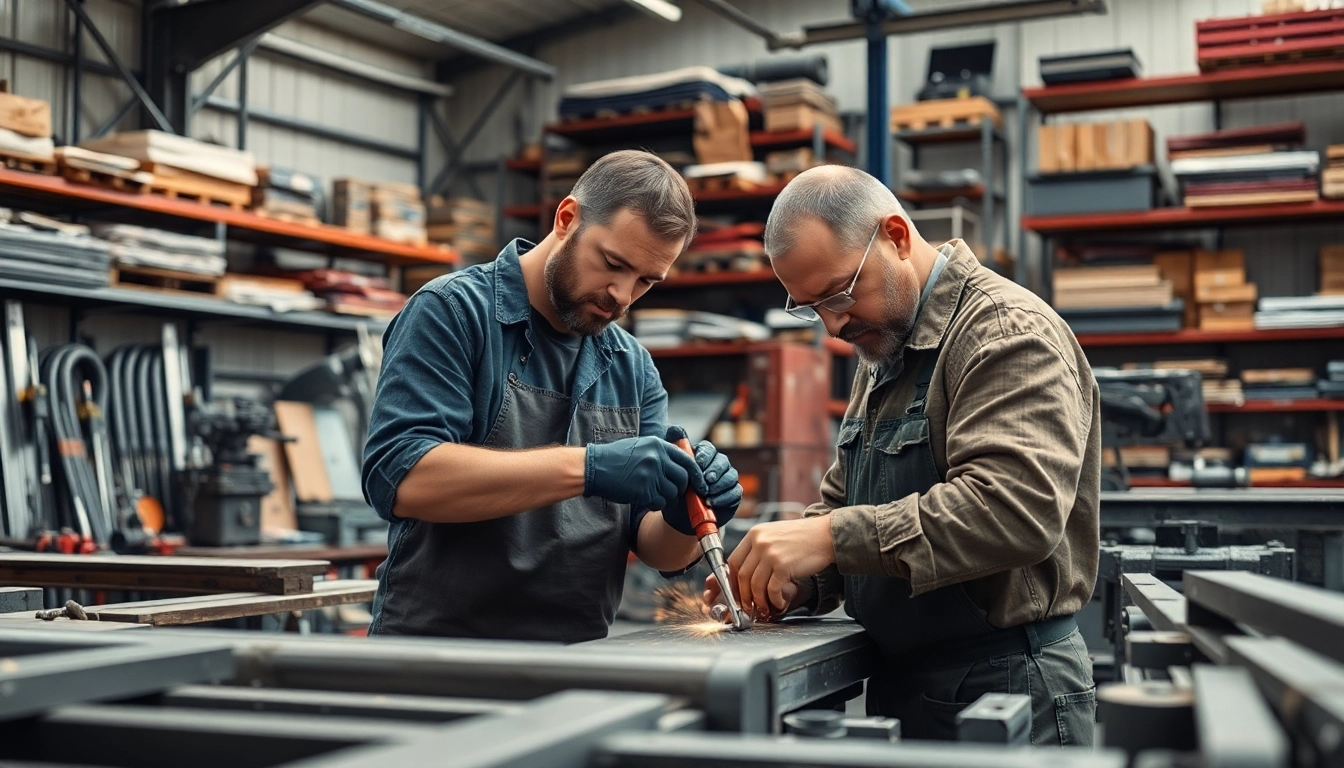
Steel fabrication is the process of transforming raw materials, primarily steel, into structured forms based on specific design specifications. It encompasses various processes, including cutting, bending, and assembling steel components to create a finished product that meets the requirements of diverse industries. A steel fabrication shop typically handles this process, utilizing modern machinery and skilled labor to ensure precision and quality in the fabrication process.
The Process of Steel Fabrication
The steel fabrication process can be broken down into several key stages, which may vary depending on the complexity of the project and the specific requirements of the fabrication shop. Here's a detailed overview of the primary steps involved:
- Design and Planning: The initial phase involves creating detailed drawings and specifications. This stage often utilizes CAD (Computer-Aided Design) software to ensure accurate representation of the final product.
- Material Selection: Choosing the right type and grade of steel is crucial. Fabricators consider factors like strength, ductility, and environmental resistance.
- Cutting: Steel is cut using various methods, such as plasma cutting, laser cutting, or shearing, depending on the thickness and shape of the material.
- Bending: Bending techniques are employed to form the steel components into specific angles and shapes required for the project. This can involve press brakes and roll bending machines.
- Welding and Assembly: After cutting and bending, components are welded together using methods like MIG, TIG, or stick welding, ensuring strong and durable joints.
- Finishing: This stage may involve surface treatments such as painting, galvanizing, or powder coating to protect the steel from corrosion and enhance its appearance.
- Quality Control: Throughout the fabrication process, rigorous quality control measures ensure that the final product meets the specified standards and tolerances.
Applications of Steel Fabrication in Industries
Steel fabrication plays a pivotal role across a multitude of industries. Its versatility and strength make it an essential component in various applications:
- Construction: Steel fabrication is critical in the construction of buildings, bridges, and infrastructure projects, providing the skeletal framework and support structures.
- Manufacturing: Many machinery and equipment rely on fabricated steel parts, ensuring operational efficiency and durability in manufacturing settings.
- Automotive: The automotive industry uses fabricated steel components for chassis, frames, and engine parts, leveraging steel's strength-to-weight ratio for performance and safety.
- Aerospace: Steel fabrication is utilized in the aerospace industry for parts that require high strength and precision while adhering to rigorous safety standards.
- Energy: In renewable energy sectors, such as wind and solar, fabricated steel components are essential for the construction of turbines and support structures.
Choosing a Steel Fabrication Shop
Key Factors to Consider
Selecting the right steel fabrication shop is a critical step that can influence the success of your project. Here are key factors to evaluate:
- Experience: Look for a shop with a proven track record in the specific type of fabrication you require. Experience often translates to expertise and understanding of industry norms.
- Capabilities: Assess the range of services offered. A comprehensive shop should not only handle basic cutting and welding but also advanced processes such as custom fabrication and finishing.
- Technology: Shops that invest in state-of-the-art technology tend to deliver more efficient and precise fabrication, improving overall project outcomes.
- Location: Proximity can impact logistics, transportation costs, and lead times. Choose a local shop if possible to streamline your project.
- Cost Structures: Understand the pricing model and ensure it aligns with your budget while considering the quality of work.
Assessing Capabilities and Expertise
Beyond just experience, it's essential to delve into the specific capabilities and expertise of the fabrication shop. This can include:
- Workforce Skills: Evaluate the qualifications and experience of the workforce. Skilled tradespeople with certifications from recognized institutions tend to deliver higher quality work.
- Industry Specialization: Some shops may specialize in specific industries, providing deeper insights and tailored solutions for your project’s needs.
- Project Management: Effective project management can significantly affect timelines and outcome. Inquire about their project management processes.
Reading Reviews and Testimonials
Customer feedback can provide valuable insights into a fabrication shop’s reliability and quality of work. Here’s how to effectively evaluate reviews:
- Look for Consistency: Patterns in reviews are more telling than isolated experiences. Look for consistent themes related to quality, communication, and reliability.
- Assess Responsiveness: How a shop responds to negative feedback can indicate their commitment to customer service and quality improvement.
- Request References: Don’t hesitate to ask the shop for references from past clients. Contacting these references can give a clearer picture of their capabilities and service quality.
The Importance of Quality in Fabrication
How Quality Impacts Project Success
Quality in steel fabrication is not merely a checkbox; it's a cornerstone of project success. High-quality fabrication impacts:
- Durability: High-quality fabrication extends the lifespan of projects, ensuring structures can withstand environmental stresses without significant deterioration.
- Safety: In many sectors, especially construction and aerospace, subpar quality can lead to catastrophic failures. Quality fabrication significantly reduces such risks.
- Cost Savings: While high-quality fabrication may involve higher initial costs, it ultimately results in fewer repairs and replacements, leading to long-term savings.
Standards and Certifications in Steel Fabrication
Adherence to industry standards and certifications is essential for maintaining quality in steel fabrication. Some of the most relevant include:
- ISO 9001: This standard outlines criteria for a quality management system, focusing on continuous improvement and customer satisfaction.
- AWS Certification: The American Welding Society (AWS) certification ensures that welders meet rigorous standards related to skills and safety.
- ASTM Standards: The American Society for Testing and Materials (ASTM) develops international standards for materials, ensuring that they meet specific performance requirements.
Quality Control Measures to Look For
A robust quality control system ensures fabrication meets necessary standards before delivery. Here are essential measures to look for:
- Incoming Material Inspection: The best shops inspect raw materials for compliance with specifications before fabrication begins.
- In-Process Inspections: Regular checks throughout the fabrication process help identify and rectify issues early.
- Final Inspection and Testing: A comprehensive final inspection and functional testing ensure that the fabricated product adheres to design specifications and quality standards.
Cost Considerations in Steel Fabrication
Understanding Pricing Structures
Cost is often a decisive factor in choosing a steel fabrication shop. Understanding the pricing structure can help you make informed decisions:
- Material Costs: The type and quantity of steel required significantly impact the overall cost. Fluctuations in steel prices can affect budgeting.
- Labor Costs: Skilled labor is essential for quality fabrication, and consequently, labor costs can vary widely among fabrication shops.
- Overhead Expenses: These include costs related to facility maintenance, machinery upkeep, and other operational expenses. These factors can influence the price you are quoted.
Balancing Cost and Quality
While it may be tempting to choose a cheaper option, this can often lead to a compromise on quality. Here are tips to balance cost and quality:
- Evaluate Total Lifecycle Costs: Consider not just initial costs but the total lifecycle costs including maintenance, operational costs, and replacement.
- Request Multiple Quotes: Getting quotes from different shops can help you understand the market rate and identify any outliers.
- Focus on Value: Look beyond the price tag and assess the value offered, including customer support, turnaround time, and warranty/guarantee policies.
Estimating Your Project Budget
Creating a budget for your steel fabrication project requires careful consideration of various elements:
- Material Costs: Get clear quotes for materials and ensure they align with your project's specifications.
- Labor Estimates: Factor in the labor required for different stages of the fabrication process.
- Contingency Funds: Always include a contingency to cover unexpected costs or changes in project scope.
Future Trends in Steel Fabrication
Technological Innovations
The steel fabrication industry is increasingly adopting advanced technologies that enhance efficiency and precision. Key technological innovations include:
- 3D Printing: This emerging technology allows for the rapid prototyping of steel components, enabling designers to test and iterate before final production.
- Robotic Automation: The use of robots for welding and assembly not only speeds up the fabrication process but also improves accuracy and safety.
- Advanced Software: New software solutions enhance design processes and facilitate seamless project management, improving overall effectiveness.
Sustainability Practices in Steel Fabrication
As environmental concerns rise, the steel fabrication industry is actively engaging in sustainability practices:
- Recycled Materials: Utilizing recycled steel in fabrication reduces the demand for new materials and minimizes waste.
- Energy Efficiency: Shops are adopting energy-efficient machinery and processes that lower carbon emissions and operational costs.
- Green Certifications: Gaining certifications related to sustainability can enhance a company's reputation and appeal in environmentally-conscious markets.
The Role of Automation in the Industry
Automation is becoming an integral part of steel fabrication, influencing the industry in several key ways:
- Increased Efficiency: Automation streamlines processes, reducing lead times and increasing output, which is crucial in high-demand environments.
- Minimized Errors: Automated systems reduce human error in fabrication, ensuring consistency and precision in the final products.
- Scalability: Automation allows fabrication shops to easily scale operations to meet fluctuating demand without sacrificing quality or increasing labor costs.