1. Introduction to the Fire Tetrahedron
1.1 Definition and Importance of the Fire Tetrahedron
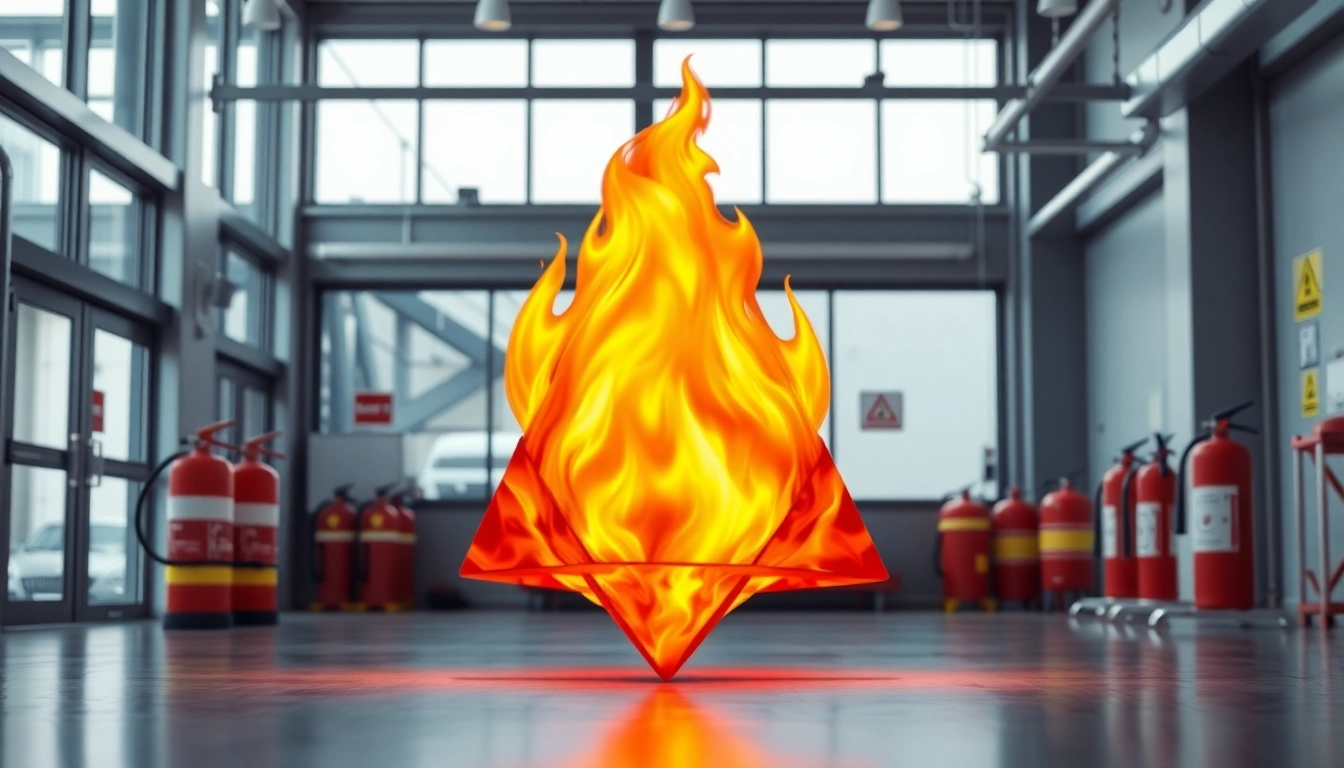
The fire tetrahedron is a fundamental concept in fire science, representing the four essential elements required for combustion: fuel, heat, oxygen, and a chemical reaction. Unlike the fire triangle, which comprises only the first three elements (fuel, heat, and oxygen), the tetrahedron emphasizes the need for a chemical reaction to sustain fire. Understanding the fire tetrahedron is crucial for effective fire prevention and safety measures, making it a critical subject for professionals in fire safety education and regulation.
1.2 How the Fire Tetrahedron Works
The function of the fire tetrahedron can be explained through the interaction of its four elements. When a material (fuel) is heated to its ignition temperature in the presence of sufficient oxygen, combustion occurs, resulting in fire. Furthermore, when the heat generated continues to exceed the material's thermal inertia, it promotes a sustained chemical reaction that leads to the propagation of the flame. This ongoing cycle underscores the importance of targeting all four elements to effectively extinguish fires.
1.3 Fire Tetrahedron in Fire Safety Education
Fire safety education utilizes the fire tetrahedron as a teaching tool to empower individuals and organizations to recognize fire hazards and implement preventative strategies. Programs often illustrate how eliminating one of the tetrahedron’s elements can prevent fire from starting or help extinguish it effectively. Therefore, understanding the fire tetrahedron is essential not only for safety professionals but also for businesses and communities to foster a culture of awareness and preparedness. For more detailed information, you can refer to resources that delve deeper into the fire tetrahedron concept.
2. The Four Elements of Fire
2.1 Fuel: The Starting Point for Combustion
Fuel is any combustible material—solid, liquid, or gas—that can ignite and burn. Common examples include wood, paper, gasoline, and natural gas. The type of fuel influences the combustion characteristics such as flame temperature, speed of burning, and the by-products produced. Understanding the properties of various fuels can aid firefighters and safety personnel in choosing appropriate extinguishing methods and enhancing safety measures in their respective environments.
2.2 Heat: Ignition and Sustaining Fire
Heat is the energy that raises the temperature of fuel to its ignition point. Sources of heat may come from open flames, electrical sparks, chemical reactions, or mechanical friction. The role of heat is pivotal as it not only initiates but also sustains the combustion process. Firefighters apply their knowledge of heat dynamics when developing firefighting strategies, such as using water to absorb heat and cool down materials below their ignition temperature effectively.
2.3 Oxygen: The Essential Element for Combustion
Oxygen is vital for combustion, comprising approximately 21% of the Earth's atmosphere. It fuels the chemical reactions involved in fire. The reduction of available oxygen can greatly impact fire behavior, leading to smoldering or complete extinguishment. Fire safety measures often include ensuring adequate ventilation to either provide sufficient oxygen for combustion in controlled environments or reduce oxygen levels in the event of a fire, preventing fire spread.
3. Application of the Fire Tetrahedron
3.1 Real-World Examples and Case Studies
Several case studies demonstrate the practicality and effectiveness of the fire tetrahedron in identifying and managing fire hazards. For instance, the infamous Grenfell Tower fire in London highlighted failures in managing fuel sources (combustible cladding), heat (poor fire compartmentalization), and oxygen (ventilation issues). By employing the concepts of the fire tetrahedron, fire safety researchers can analyze past incidents and propose actionable solutions to prevent future tragedies.
3.2 Common Misconceptions About the Fire Tetrahedron
Despite its importance, many misunderstand the fire tetrahedron. A prevalent misconception is that removing just one of the elements will always extinguish fire. While it's true that removing fuel cuts off the fire's source, mismanagement or failure to address heat and oxygen can lead to reignition. Understanding the interdependence of these elements is essential for accurate fire risk assessment and prevention strategies.
3.3 Fire Prevention Strategies Leveraging the Tetrahedron
Effective fire prevention strategies involve a comprehensive approach that targets each component of the fire tetrahedron. For example, maintaining safe distances between fuel sources, implementing proper heating solutions, and utilizing smoke detectors and ventilation systems are proactive steps a business or household can take to mitigate fire risks. Regular training and education based on the fire tetrahedron framework enable individuals to respond intelligently to fire hazards, enhancing overall fire safety preparations.
4. Fire Safety Regulations and the Fire Tetrahedron
4.1 Compliance with Fire Safety Standards
Fire safety regulations are designed to protect individuals and property by creating standards around the prevention, detection, and extinguishment of fires. Regulations often incorporate principles derived from the fire tetrahedron, emphasizing the importance of maintaining clear evacuation routes, appropriate material storage, and correctly installed fire suppression systems. Compliance ensures minimized risk and promotes responsible behavior concerning fire safety.
4.2 The Role of the Fire Tetrahedron in Safety Training Programs
Training programs often encompass the fire tetrahedron to instill an understanding of fire dynamics in employees and first responders. By utilizing the tetrahedron as a framework, course content can cover topics such as identifying fire hazards, practical firefighting techniques, and adherence to safety measures. Training that integrates this understanding leads to more effective responses to fire incidents and fosters a culture of proactive safety within organizations.
4.3 Assessment Techniques for Fire Safety Awareness
Effective fire safety assessments are vital for identifying hazards within various environments. Techniques may include fire drills, hazard identification checklists, and simulations that help recognize the presence of all four elements in specific scenarios. Incorporating fire tetrahedron assessments within routine safety inspections encourages ongoing diligence in fire risk management, empowering individuals to maintain vigilance against potential fire hazards.
5. Conclusion and Best Practices
5.1 Recap of the Fire Tetrahedron's Components
In summary, the fire tetrahedron encapsulates the four fundamental components required for combustion—fuel, heat, oxygen, and chemical reaction. Understanding these elements and their interactions is critical for effectively preventing and extinguishing fires. By recognizing that a comprehensive approach is necessary to address all four components, individuals can develop a more profound understanding of fire behavior and safety practices.
5.2 Future Considerations in Fire Safety Training
The future of fire safety training should emphasize the importance of interdisciplinary approaches that integrate technology, behavior science, and practical experiences into learning curricula. Innovations like virtual reality fire scenarios can provide engaging environments for real-time practice relative to the fire tetrahedron, enhancing retention and expertise in recognizing and managing fire risks.
5.3 Resources for Further Learning on Fire Safety
To build a robust knowledge base regarding fire safety, several resources can benefit readers. Organizations like the National Fire Protection Association (NFPA) and the International Code Council (ICC) provide extensive literature and guidelines for fire safety standards and best practices. Additionally, webinars, workshops, and online courses focusing on the fire tetrahedron and its implications in practice can offer practical knowledge that improves fire safety awareness and response capabilities.