
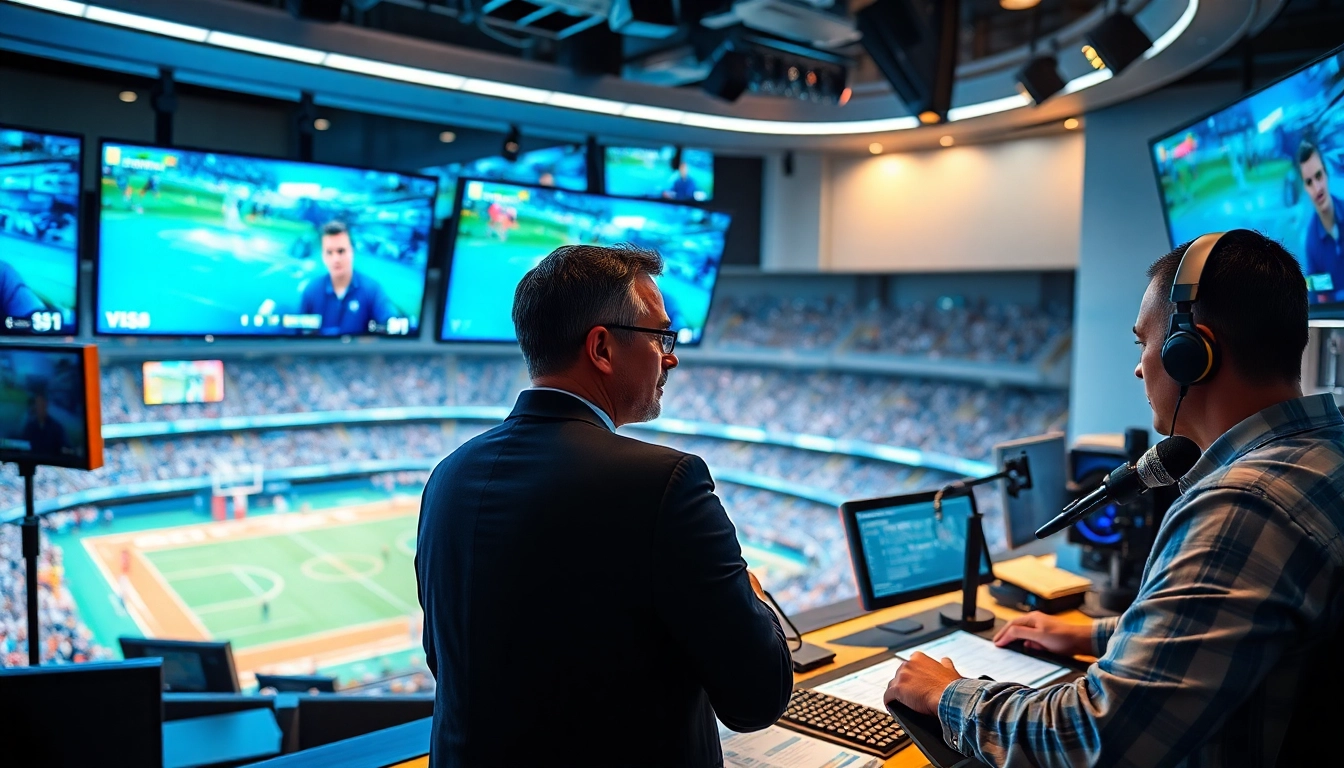
Understanding the Landscape of Sports Broadcasting
What is Sports Broadcasting?
Sports Broadcasting refers to the live broadcasting of sporting events or related content over traditional television, radio, and increasingly, digital platforms. This field encompasses various types of content such as live event coverage, commentary, analysis, highlights, and sports journalism. The primary goal is to engage audiences by providing real-time experiences of sporting events while also informing and entertaining them.
The evolution of technology and communication has significantly expanded the reach and impact of Sports Broadcasting. With the advent of online streaming and social media platforms, the landscape has shifted from traditional models to more dynamic formats. Today, Sports Broadcasting not only informs fans but also creates communities, drives conversations, and enhances the overall fan experience.
Key Players in Sports Broadcasting
The sports broadcasting landscape consists of a variety of key players, including networks, production companies, sports leagues, and digital platforms. Major broadcast networks have historically held the rights to premiere sporting events, but competition from cable and online streaming services has intensified.
- Broadcast Networks: Traditional networks like NBC, CBS, ABC, and ESPN play a significant role in delivering live sporting events.
- Cable Sports Channels: Networks such as Fox Sports and regional sports networks cater to specific demographics and local teams.
- Streaming Services: Companies like Amazon Prime, DAZN, and Disney+ are entering the scene, offering live and on-demand sports content to attract younger audiences.
- Social Media Platforms: Platforms such as YouTube and Facebook are increasingly facilitating live streams and highlights, reaching new demographics.
Current Trends Shaping Sports Broadcasting
As the landscape of Sports Broadcasting evolves, several trends are emerging that impact how content is produced and consumed:
- Increased Use of Analytics: Data analytics are being used to enhance commentary and improve fan engagement through tailored experiences.
- Integration of Virtual and Augmented Reality: These technologies provide immersive experiences, allowing fans to feel as if they are part of the event.
- Interactive Content: Live polling, social media integration, and user-generated content are becoming integral parts of broadcasts.
- Focus on Niche Sports: There is a growing interest in broadcasting less mainstream sports, catering to specific audience segments.
Core Techniques for Effective Sports Broadcasting
Crafting Compelling Stories in Sports Broadcasting
A successful sports broadcaster knows the importance of storytelling. Beyond merely providing facts, effective broadcasters weave narratives that captivate the audience. Each game has a storyline—emotions, rivalries, and historical contexts that resonate with viewers. Broadcasters should focus on:
- Character Development: Highlighting key players, coaches, and teams helps build a connection with the audience.
- Contextual Background: Providing historical context can significantly enhance the viewing experience, making it richer and more engaging.
- Real-time Insights: Engaging with audience comments and analytics on player performances instantly adds depth to content.
Leveraging Technology in Sports Broadcasting
Technology plays an instrumental role in the evolution of Sports Broadcasting. From the cameras that capture every angle to satellite feeds that allow broadcasts from any location, technology is at the core of this industry. Key advancements include:
- High-definition (HD) and 4K Broadcasts: Enhanced visual quality gives viewers a stunning viewing experience.
- Drone Technology: Drones provide unique aerial shots that enhance storytelling and coverage.
- Data Visualization Tools: Integrating real-time data graphics enriches the audience's understanding of the event.
Building Rapport with the Audience
Establishing rapport with the audience is vital for broadcasters. Engaging with fans through social media channels and during broadcasts enhances loyalty and viewership. Techniques include:
- Personalized Interaction: Addressing viewer feedback and questions during broadcasts creates a two-way dialogue.
- Creating Relatable Content: Telling stories that resonate with fans on a personal level fosters a deeper connection.
- Utilizing Fan-generated Content: Incorporating audience videos or reactions to matches boosts engagement.
Challenges Faced in Sports Broadcasting
Navigating Copyright Issues in Sports Broadcasting
The legal landscape of Sports Broadcasting is intricate, often involving numerous copyright issues. Challenges arise when broadcasting live events, replays, or highlights without proper licensing, which can lead to legal disputes. Broadcasters must:
- Secure Licenses: Always ensure that rights to air events are acquired before broadcasting.
- Understand Fair Use: Learn about fair use exemptions to avoid unintentional copyright breaches.
- Monitor Content Scrubbing: Use technology to identify and address unauthorized content rapidly.
Managing Live Event Logistics
Live event logistics pose a significant challenge for sports broadcasters. Factors include technical setup, crew management, and timing. Addressing these challenges demands meticulous planning:
- Pre-Event Coordination: Ensure key stakeholders are in sync before the event to streamline operations.
- Backup Plans: Always have contingency plans to address technical failures or unexpected delays.
- On-site Management: Appoint dedicated teams to oversee various segments, from audio to video production.
Ensuring Quality in Sports Broadcasting
Quality control in Sports Broadcasting encompasses audio-visual quality, content delivery, and audience engagement. Broadcasters should focus on:
- Technical Standards: Regularly invest in up-to-date equipment to maintain high quality.
- Content Rehearsals: Conduct practice runs to iron out potential issues before going live.
- Post-Event Reviews: Analyze broadcast quality and audience feedback to improve future broadcasts.
Best Practices for Aspiring Sports Broadcasters
Developing a Personal Brand in Sports Broadcasting
Creating a strong personal brand is essential for aspiring sports broadcasters. The following strategies can enhance personal visibility and credibility:
- Consistent Content Creation: Publish regular content on sports topics to establish expertise.
- Authenticity: Be true to yourself; authenticity resonates well with audiences.
- Engagement: Interact with followers on social media, taking time to respond to comments and questions.
Networking and Building Connections in the Industry
Building a network within the sports broadcasting industry can open doors to opportunities. Consider these approaches:
- Attend Events: Participate in sports events, conferences, and workshops to connect with industry professionals.
- Utilize Online Platforms: Leverage LinkedIn and industry-specific forums to make connections.
- Volunteer: Offer assistance at sports events or productions to gain experience and meet people.
Honing Presentation Skills for Sports Broadcasting
Strong presentation skills are vital for anyone in Sports Broadcasting. These tips can help improve delivery:
- Practice Regularly: Consistent practice helps to refine speaking styles and pacing.
- Seek Feedback: Engage with peers for constructive criticism to harness delivery methods.
- Watch and Learn: Analyze seasoned broadcasters to understand successful techniques and styles.
Measuring Success in Sports Broadcasting
Key Metrics for Assessing Sports Broadcasting Performance
Assessing the performance of sports broadcasting requires the evaluation of several metrics:
- Viewership Ratings: Monitor ratings to understand audience sizes and demographics.
- Engagement Levels: Measure likes, shares, and comments on broadcasts to gauge interaction.
- Advertising Revenues: Analyze revenue generated from commercial partnerships to assess profitability.
Understanding Audience Engagement Strategies
Engagement strategies are critical for retaining and growing audiences. Effective strategies include:
- Real-Time Interaction: Encourage viewer participation during broadcasts through votes or live questions.
- Exclusive Content: Offer behind-the-scenes content to deepen connections with fans.
- Regular Updates: Keep fans informed about team news, schedules, or player developments to maintain interest.
Future Trends in Measuring Sports Broadcasting Success
As technology and viewing preferences evolve, so will the methods of measuring success in Sports Broadcasting. Anticipated trends include:
- AI Analytics: Artificial Intelligence will enable deeper insights into viewer behavior and preferences.
- Enhanced Audience Segmentation: Future metrics will focus on segmented audiences to tailor broadcasts effectively.
- Integration of Feedback Mechanisms: Broadcasting companies will increasingly rely on embedded feedback tools during broadcasts.
Frequently Asked Questions
What is Sports Broadcasting?
Sports Broadcasting involves live airing or recording sports events, focusing on engaging an audience through commentary, analysis, and storytelling.
How has technology impacted Sports Broadcasting?
Technology has revolutionized Sports Broadcasting by introducing HD quality, streaming services, and enhanced fan interaction through social media.
What skills are essential for a sports broadcaster?
Essential skills include strong communication, presentation, storytelling abilities, and proficiency with broadcasting technologies.
How can I improve my audience engagement?
To improve engagement, interact in real-time, share unique content, and provide behind-the-scenes access to fans.
What are key metrics for measuring success in Sports Broadcasting?
Key metrics include viewership ratings, audience engagement levels, and revenue generated from advertising and sponsorships.