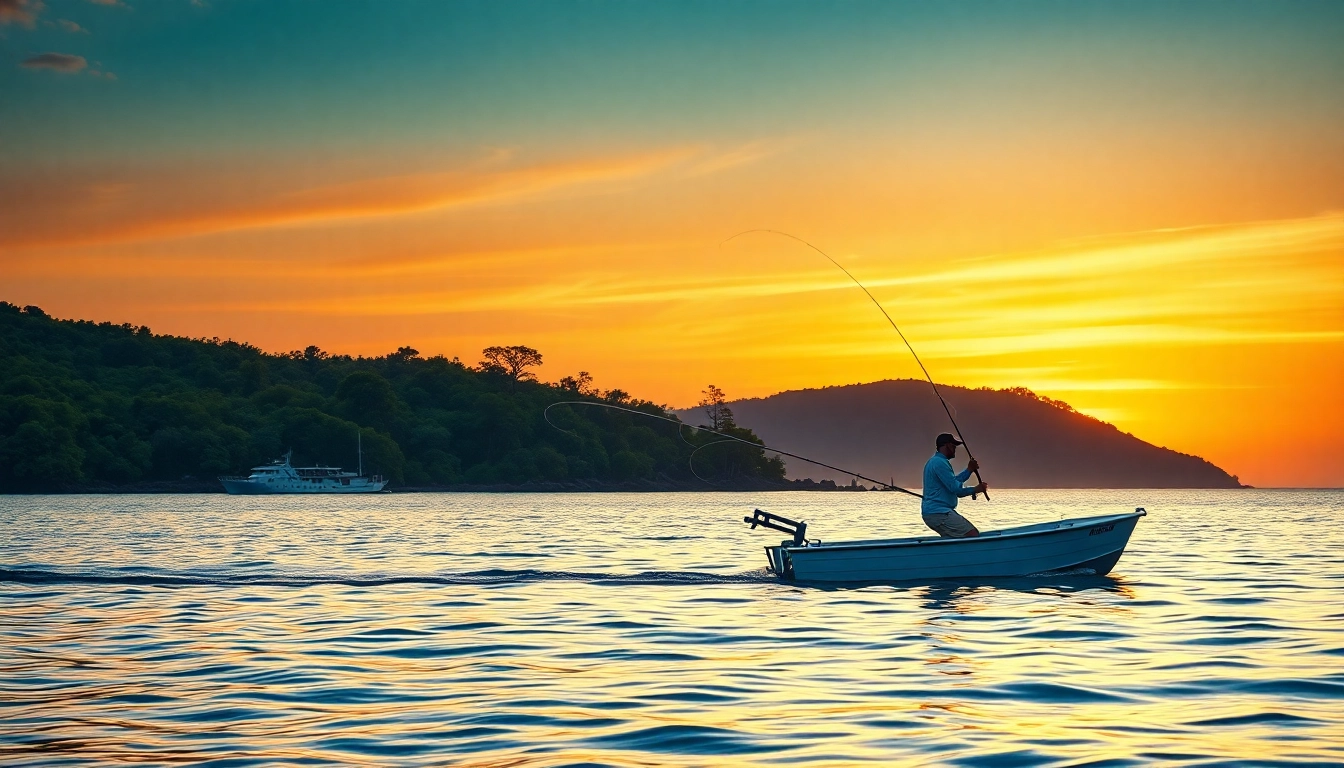
Introduction to Saltwater Fly Fishing
Saltwater fly fishing is an exhilarating outdoor activity that captures the thrill of angling in some of the most beautiful and diverse environments on Earth. This method of fishing not only offers the chance to catch a variety of species but also allows anglers to connect deeply with nature. By utilizing specialized tackle and techniques, enthusiasts can target an array of fish, from bonefish and tarpon to permit and snook. Whether you’re a seasoned angler or a novice, Saltwater fly fishing promises unique challenges and rewards that everyone can appreciate.
Understanding Saltwater Ecosystems
To become proficient in saltwater fly fishing, one must first understand the ecosystems in which these fish thrive. Saltwater habitats vary widely from coastal regions and mangroves to reefs and open ocean waters. Each of these environments hosts its own unique species and poses different challenges. Here, we’ll break down some key ecosystems and their characteristics.
Coastal Areas
Coastal zones are often marked by shifting tides and rich nutrients from both land and sea. These areas typically harbor species like redfish and snook that are actively fed and use the structure provided by mangroves, jetties, and rocks. The exceptional diversity in baitfish makes coastal fishing a prime spot for fly anglers.
Flats
Flats, characterized by shallow waters and sandy or grassy bottoms, are ideal for sight fishing. Here, fish like bonefish and permit hunt for smaller prey. Getting the cast right is vital in these clear waters, as fish are often spooked by shadows or sudden movements.
Reef Structures
Reefs provide protection for species such as tarpon and grouper. Fly fishing in these areas requires anglers to navigate rocky environments carefully and often involves stripping lines quickly to imitate fleeing bait. The vibrant marine life surrounding reefs enhances the visual spectacle of fishing here.
The Appeal of Saltwater Fly Fishing
What draws individuals to saltwater fly fishing? The answer is multifaceted. From the thrill of the chase to the serene environments where fishing occurs, several factors contribute to its appeal.
Connection with Nature
Being out on the water, engaging with the rhythms of the tides and weather patterns, allows anglers to immerse themselves in nature. This connection can have profound benefits for mental well-being and offers a unique form of meditation.
Skill Development
Saltwater fly fishing is a skill-based sport that promotes continuous learning. Casting techniques, reading water conditions, and understanding fish behavior require practice and dedication. As fishermen enhance their skills, they experience increased success rates and deeper satisfaction.
Diverse Target Species
The variety of species available to catch in saltwater is staggering. Each species requires different techniques and flies, adding an exciting element of strategy. Anglers can challenge themselves by targeting various fish based on their preferences and skill levels.
Essential Gear for Saltwater Fly Fishing
Equipping yourself properly for saltwater fly fishing is crucial to your success and safety. The gear needed varies based on the environment and species targeted, so understanding your options is key.
Choosing the Right Rod and Reel
When it comes to the rod and reel, considerations include the type of fish you plan to fish for and the specific offshore conditions. Typically, a 9-foot rod rated for 8 to 10 weight line is a common choice for most saltwater fly fishing scenarios.
Rod Specifications
Saltwater rods should be durable and have the backbone to handle hard-fighting fish. Look for rods made from materials like carbon fiber or fiberglass that offer strength without excessive weight.
Choosing a Reel
The reel must be corrosion-resistant due to saltwater exposure. A quality reel with a solid drag system is essential for playing larger fish, which can make strong runs.
Fly Selection for Various Species
When it comes to flies, one size does not fit all. Selection depends on the fish species, time of year, and local baitfish populations.
Pattern Selection
Effective fly patterns remain consistent with local prey. For instance, during the spring, if crab is abundant, a crab pattern may yield better results compared to shrimp or minnow imitations.
Colors and Sizes
Color choices significantly impact a fly’s effectiveness. Bright colors may work better in murky waters, while subtle tones prove successful in clearer conditions. Always carry a variety of sizes to match the hatch.
Additional Equipment and Accessories
Beyond rods and reels, several accessories play an essential role in a successful outing.
Lines and Tippets
Proper line management promotes casting accuracy and longevity. Floating lines are often favored for the flats, while sinking lines may be better for deeper waters. Tippets need to be strong enough to withstand the initial strike and subsequent fights.
Safety Gear
Cast in safety! Wearing a personal flotation device (PFD) can prove vital. Sunscreen, a wide-brimmed hat, and polarized sunglasses not only protect from UV rays but also enhance visibility into the water.
Techniques for Effective Saltwater Fly Fishing
Employing the right techniques can significantly enhance your chances of landing fish. Here we delve into some of the most effective methods used in saltwater fly fishing.
Basics of Casting Techniques
Mastering casting is an essential skill in saltwater fly fishing. Here’s how you can hone your technique:
Overhead Cast
The overhead cast is fundamental in open water scenarios. Practice the timing of your back cast to keep your loops tight and avoid tangles.
Double Haul
To exert extra power and distance, the double haul technique, where you pull down on the line during the cast, is advantageous. This technique can help reach fish that are further away.
Reading Tides and Water Conditions
Success often has as much to do with timing and understanding conditions as it does with gear and technique. Here are key indicators to monitor:
Tides
Fish behavior frequently correlates with tidal movements. Many species feed heavily during the rising tide, making it an optimal time for fishing.
Water Temperature
Warmer water generally promotes higher fish activity. Understanding seasonal changes in temperature is crucial in identifying when and where fish are likely to be active.
Advanced Fishing Techniques for Target Species
Each species may require specific methods for effective fishing.
Targeting Bonefish
Bonefish require stealth and pinpoint casting. The best approach involves spotting the fish and presenting the fly without spooking them, typically using lighter tackle.
Targeting Tarpon
Tarpon fishing often demands fast action. Use a quick retrieve to imitate struggling bait, and be prepared for explosive bites and energetic fights.
Common Challenges in Saltwater Fly Fishing
Like any sport, saltwater fly fishing comes with its own set of challenges. However, being able to overcome these obstacles can lead to better experiences on the water.
Dealing with Weather and Water Fluctuations
Weather conditions can dramatically affect fishing success. Windy days, for example, can complicate casting. However, understanding how to adapt to different conditions can turn challenges into opportunities.
Wind Management
When fishing on windy days, consider modifying your casting technique to maintain accuracy. Low, quick casts can help you keep control of the line in gusty conditions.
Rain and Overcast Conditions
Overcast days can lead to oddly timed bites. Adjust your strategy to include longer topwater retrieves to entice fish into shallow areas.
Identifying Patterns for Improved Success
Success in fishing often comes down to predictive understanding. Tracking behavior, migratory patterns, and feeding habits can provide significant insights.
Behavioral Patterns
Documenting your outings, particularly successful days, can help you note patterns and conditions that lead to success. Factors to log include tide times, weather conditions, and the species caught.
Migration Seasons
Many species have seasonal migration patterns influenced by water temperature and food sources. Understanding these cycles helps determine the best times to target specific fish.
Maintaining Equipment and Troubleshooting
Proper care and maintenance of gear is essential for performance and longevity. Here are important tips to keep in mind:
Rod and Reel Care
After each outing, rinse your rod and reel in fresh water to prevent salt buildup. Check for wear and tear on your lines and flies to maintain smooth retrieves and accuracy.
Line Maintenance
Worn lines can lead to lost fish. Inspect regularly for frays and knots. Re-spool as necessary and apply line conditioner during downtime for enhanced casting performance.
Expanding Your Skills in Saltwater Fly Fishing
Whether you aspire to be a competitive angler or simply wish to enjoy the sport at a deeper level, expanding your skills in saltwater fly fishing is a rewarding endeavor.
Capturing the Right Mindset for Fly Fishing
A positive mindset can transform your fishing experiences. Embrace the learning process and remain patient with yourself as you develop your techniques and knowledge.
Participating in Community and Competitions
Engaging with the local fishing community can provide invaluable insight and camaraderie. Joining clubs or participating in tournaments can challenge your skills while fostering friendships.
Tracking and Measuring Your Progress
Maintaining a fishing log can help track your progress and achievements. Documenting dates, locations, conditions, and outcomes will create a valuable resource that can lead to improvements in future trips.
As you immerse yourself in saltwater fly fishing, remember that every cast presents an opportunity for discovery. This sport not only tests your skills but also promotes a deep appreciation for the aquatic environments you explore.