The Core Concepts of a Steel Fabrication Shop
A steel fabrication shop plays a crucial role in the construction and manufacturing industries, turning raw materials into usable components for various applications. Understanding the intricate processes, equipment involved, and industry applications is essential for anyone looking to utilize a steel fabrication shop. This article delves deep into these concepts, providing a comprehensive overview of the core principles, equipment, and best practices essential to the field.
Understanding Steel Fabrication Processes
Steel fabrication is a systematic process that transforms raw steel into finished products. The journey from raw material to final product involves several stages, including cutting, bending, and assembling. These processes require precision and skill to ensure the resulting products meet the necessary specifications and standards.
The primary processes in steel fabrication include:
- Cutting: This is often the first step, where large steel sheets or structures are cut into smaller, manageable pieces using tools like saws, torches, or lasers.
- Bending: Once cut, the steel pieces may require bending to meet specific design requirements. This is achieved using hydraulic or pneumatic presses, which can achieve precise angles and forms.
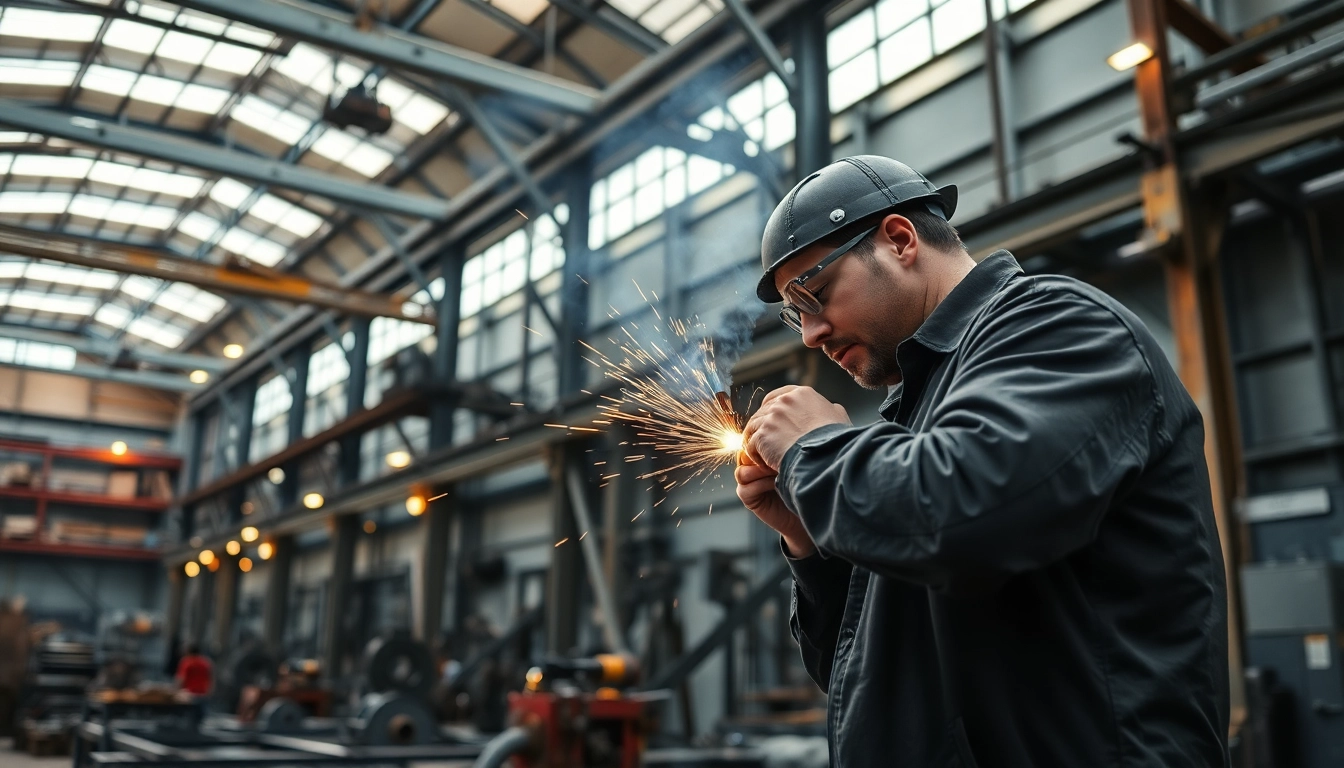
- Welding: This process joins multiple steel pieces together. Various welding techniques, such as MIG (Metal Inert Gas) and TIG (Tungsten Inert Gas) welding, can be employed based on project needs and specifications.
- Assembling: After welding, the structures are assembled into larger units, further tailored for their end-use, whether as part of a building frame or industrial machinery.
Through these processes, steel fabricators ensure that raw materials are morphed into robust structures capable of withstanding various environmental and functional demands.
Key Equipment in a Steel Fabrication Shop
Every steel fabrication shop requires a range of specialized equipment to carry out fabrication processes efficiently. The following equipment is commonly found:
- Plasma Cutters: These devices cut steel with high precision, using a plasma torch that generates an extremely hot arc of electricity.
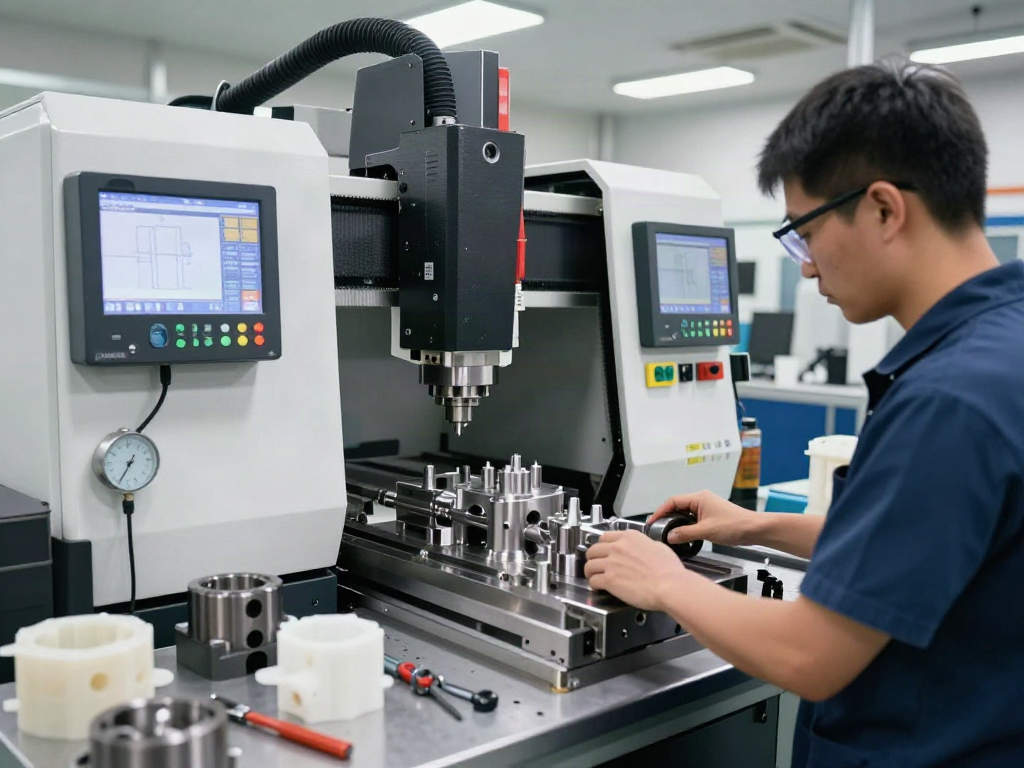
- Drill Presses: Essential for making holes in steel components that facilitate assembly and structural integrity.
- Bending Machines: These machines enable the bending of steel sheets into desired shapes or angles through hydraulic or mechanical means.
- Welding Machines: Various types of welders are necessary to join metal pieces together, and their selection depends on the project specifications.
- Shearing Machines: These are used for cutting heavy sheets and plates into smaller sections without melting the material.
Investing in modern, efficient equipment not only enhances the quality of work but also improves productivity and safety in the shop.
Applications of Steel Fabrication in Industries
Steel fabrication is utilized across a variety of industries due to its versatility and strength. Notable applications include:
- Construction: Structural steel is essential for constructing buildings, bridges, and other infrastructures, providing foundational strength.
- Manufacturing: Many machinery and equipment parts are fabricated from steel, ensuring durability and performance in various manufacturing processes.
- Automotive: The automotive sector uses fabricated steel parts extensively, contributing to vehicle frames, engines, and other critical components.
- Energy Sector: Wind and solar energy facilities require customized steel components for durability and reliability.
The adaptability of steel allows for personalized solutions across different sectors, ensuring that every fabrication needs are met with precision and care.
Choosing the Right Steel for Your Project
Choosing the appropriate type of steel for a specific fabrication project is critical to ensuring quality and durability. The selection process involves evaluating the characteristics of different steel types and their suitability for the intended application.
Types of Steel Used in Fabrication
Understanding the types of steel available can help project managers and designers make informed decisions. The main categories include:
- Carbon Steel: Typically used for structural applications, carbon steel offers excellent strength and versatility.
- Stainless Steel: Known for its corrosion resistance, stainless steel is ideal for applications exposed to harsh environments.
- Alloy Steel: Manufactured with specific alloying elements to enhance certain properties, suited for specialized applications.
- Tool Steel: Designed for making tools and dies, this type of steel is hard and wear-resistant.
Considerations for Material Selection
When choosing steel for a project, several factors should be taken into account:
- Strength Requirements: Determine the strength required based on the intended application to ensure structural integrity.
- Corrosion Resistance: For projects in environments prone to moisture or chemicals, select materials that can withstand corrosion.
- Cost-Efficiency: Assess the budget, as certain steel types may incur higher costs but offer greater longevity.
- Machinability: Consider how easily the steel can be processed and fabricated, affecting production timelines.
Impact of Steel Quality on Durability
The quality of steel directly influences the durability of fabricated products. High-quality steel is less prone to defects and can withstand environmental stresses better than lower-quality options. It’s essential to procure materials from reputable suppliers, ensuring that the steel meets industry standards for performance and reliability. Regular quality checks during the fabrication process can also prevent issues in the final products.
Best Practices for Operation in a Steel Fabrication Shop
Operating a steel fabrication shop efficiently requires adherence to industry best practices. This includes maintaining a safe environment, optimizing workflows, and ensuring employees are well-trained and skilled.
Safety Protocols and Compliance
Safety is paramount in any manufacturing environment, particularly in steel fabrication, where heavy equipment and sharp tools are common. Implementing strict safety protocols, including:
- Personal Protective Equipment (PPE): Require employees to wear appropriate PPE such as helmets, gloves, and goggles.
- Regular Safety Training: Conduct training sessions to keep staff updated on safety practices and equipment use.
- Hazard Assessment: Regularly evaluate workplace hazards and implement measures to mitigate risks.
Compliance with OSHA regulations and local safety standards is crucial for maintaining a safe work environment and avoiding potential legal issues.
Efficient Workflow Management
Streamlining operations can significantly enhance productivity. To manage workflows efficiently:
- Layout Optimization: Arrange equipment sequentially to minimize movement and improve processing time.
- Inventory Control: Keep track of materials and supplies to ensure that production is not disrupted by shortages.
- Technology Utilization: Employ software tools for design, inventory management, and project tracking to increase efficiency.
Training and Skill Development for Staff
Investing in staff training is invaluable. A well-trained workforce not only increases productivity but also reduces errors and improves safety. Regular workshops, certifications, and on-the-job training ensure employees are equipped with the latest skills and knowledge, leading to higher quality fabrication outcomes.
Advancements in Steel Fabrication Technologies
The landscape of steel fabrication is continually evolving, driven by technological advancements that enhance processes and product quality.
Automation and Software in Fabrication
Automation is redefining steel fabrication with tools like robotic arms and automated welding systems, improving precision and efficiency. Additionally, design and planning software play a crucial role in streamlining tasks, reducing lead times, and enhancing overall project management.
Benefits of Innovative Techniques
Utilizing innovative techniques, such as 3D printing and laser cutting, allows for more complex designs and accurate fabrications. These technologies minimize waste, reduce production costs, and provide significant flexibility in design and production processes.
Future Trends in Steel Fabrication
As the industry progresses, several trends are emerging, including:
- Increased Sustainability: A focus on eco-friendly fabrication processes and materials to reduce environmental impact.
- Smart Manufacturing: Integrating IoT and AI technologies for real-time monitoring and optimization of production.
- Customization: Demand for personalized fabrication solutions is on the rise, requiring shops to adapt and innovate constantly.
FAQs About Steel Fabrication Shops
What defines a steel fabrication shop?
A steel fabrication shop is a facility where steel is processed, cut, shaped, and assembled into products or components for various applications across different industries.
How is quality control maintained in fabrication?
Quality control is upheld through rigorous inspections, adherence to technical specifications, and the use of high-quality materials to ensure the integrity of fabricated products.
What are common projects for a steel fabrication shop?
Common projects include construction of structural components, manufacturing machinery parts, and custom fabrication for industry-specific applications.
How do prices vary in steel fabrication?
Prices vary based on material type, project complexity, functionality, and quantity. Customization and design intricacies also affect the overall cost.
What skills are essential for workers in fabrication?
Key skills include proficiency in welding, machining, blueprint reading, problem-solving, and an understanding of safety protocols to ensure high-quality fabrication.