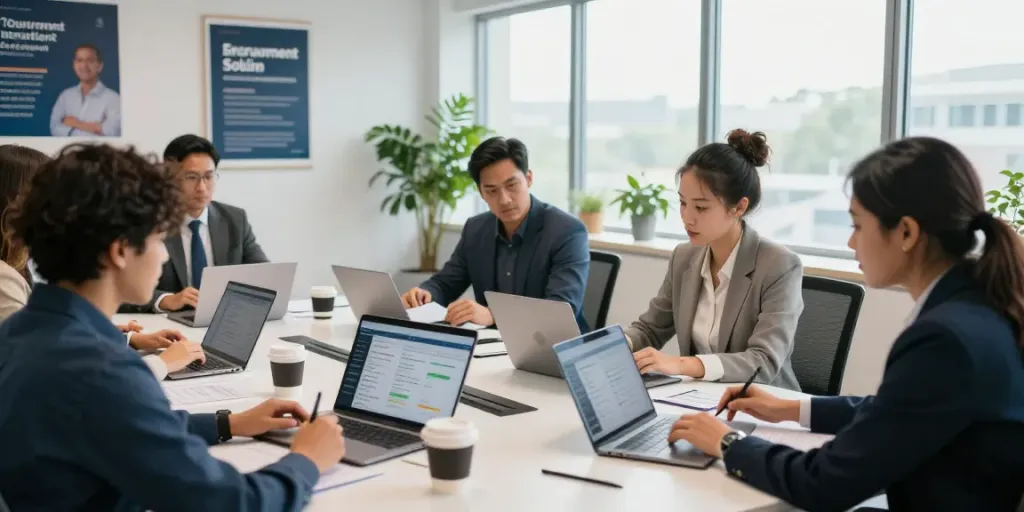
Understanding Mock Interviews
What Are Mock Interviews?
Mock interviews are simulated job interviews conducted in a controlled environment to help candidates prepare for actual interviews. The purpose is to provide a realistic setting where candidates can practice their responses to common interview questions and receive constructive feedback. Unlike traditional interviews, where the stakes are high, mock interviews serve as a safe space for candidates to hone their skills without the pressure of an actual job application.
The Importance of Mock Interviews in Job Preparation
Preparation is a crucial element in securing a job offer, and mock interviews play a significant role in this process. The practice allows candidates to build confidence, refine their communication skills, and develop a deeper understanding of the interview process. Mock interviews also help identify areas for improvement, enabling candidates to articulate their strengths effectively. Engaging in these practices can be the difference between landing a job and receiving a rejection letter.
How Mock Interviews Differ from Real Interviews
While mock interviews simulate the real interview environment, they differ in several key ways:
- Low Stakes: The pressure of a real job interview is absent in mock scenarios, allowing for a more relaxed atmosphere.
- Feedback Opportunity: Candidates can receive immediate feedback, allowing them to adjust their approach and correct mistakes promptly.
- Practice with Various Formats: Mock interviews can range from virtual meetings to in-person sessions, accommodating different interview styles.
Preparing for Mock Interviews
Choosing the Right Mock Interview Format
When preparing for mock interviews, selecting an appropriate format is essential. Candidates can choose to conduct mock interviews with peers, mentors, or professional coaches. Additionally, various online platforms provide a virtual environment conducive to practice. Each format has its benefits:
- Peer Mock Interviews: Working with a friend or colleague can make the experience more comfortable and provide relatable feedback.
- Mentor or Coach: Professionals can provide insights based on real-world experience, highlighting areas for skill enhancement.
- Online Platforms: Websites like Mock Interviews facilitate practice sessions with structured questions and feedback features.
Essential Tools and Resources for Mock Interviews
Equipping oneself with the right tools can enhance the mock interview experience. Consider the following resources:
- Question Banks: Utilize online databases that collate common interview questions specific to your industry.
- Video Recording Tools: Record your practice to review body language and speech patterns.
- Feedback Forms: Develop a structured feedback form to collect insights on your performance.
Common Mistakes to Avoid During Mock Interviews
While mock interviews are a learning experience, participants often make critical mistakes that can hinder their progress. Here are some common pitfalls to avoid:
- Inadequate Preparation: Treating the mock interview as trivial can lead to a lack of seriousness and poor performance.
- Ignoring Feedback: Not implementing feedback or advice can stall growth and learning opportunities.
- Neglecting the Setting: Practicing in a noisy or distracting environment can hamper focus and performance.
Executing Effective Mock Interviews
Best Practices for Mock Interview Conduct
To maximize the benefits of mock interviews, adhere to best practices such as:
- Dress Professionally: Simulate the real-world setting by dressing as you would for an actual interview.
- Maintain Time Management: Stick to the allotted interview time, which helps emulate real interview conditions.
- Simulate a Real Interview Environment: If possible, conduct the mock interview in a location similar to where you'd have your real interview.
How to Provide Constructive Feedback
Feedback is essential for growth. Those providing feedback during mock interviews should focus on the following aspects:
- Specificity: Provide detailed insights on what was done well and what needs improvement.
- Focus on Behavior, Not Personality: Aim feedback at actions and responses rather than making it personal.
- Encouragement: Highlight positives to bolster the candidate’s confidence alongside suggestions for improvement.
Role-playing Scenarios for Mock Interviews
Role-playing can be an effective strategy in mock interviews, enabling candidates to demonstrate their skills in specific situations. Consider creating scenarios based on:
- Behavioral Questions: Craft scenarios that require candidates to reflect on past experiences and how they handled challenges or successes.
- Situational Questions: Present hypothetical situations relevant to the job role and assess how candidates navigate these challenges.
- Industry-Specific Scenarios: Tailor questions to reflect real-world challenges specific to the field in which the candidate is applying.
Performance Tracking and Improvement
Measuring Success in Mock Interviews
Success in mock interviews can be challenging to quantify, but implementing metrics can provide a clearer picture of progress. Consider these aspects for evaluation:
- Response Quality: Evaluate the content and clarity of answers during practice.
- Body Language: Assess non-verbal cues such as posture, eye contact, and gestures.
- Feedback Acceptance: Monitor how well the candidate adapts to feedback from previous sessions.
Iterating on Mock Interview Techniques
Improvement is a continuous process. Candidates should regularly reassess their approach to mock interviews:
- Regular Practice: Schedule mock interviews on a weekly basis to maintain skills and build on previous feedback.
- Experiment with Formats: Try different formats, such as one-on-one, panel interviews, or even recording responses for later review.
- Adjust According to Feedback: Actively implement suggestions received from previous mock interviews to see noticeable improvements.
Seeking Professional Assistance and Coaching
Sometimes, the guidance of seasoned professionals can elevate your interview preparation. Consider seeking help through:
- Career Coaches: Specialized coaches can offer tailored strategies and insights based on extensive experience.
- Workshops: Attend workshops that provide structured mock interview experiences and peer feedback opportunities.
- Online Platforms: Numerous platforms offer practice interviews with experts from various industries, providing a realistic experience.
Real-life Experiences and Case Studies
Success Stories from Mock Interview Participants
Many candidates have credited their success in securing jobs to effective mock interview preparation. For instance, a software developer shared how participating in multiple mock interview sessions led him to secure an offer from a leading tech company. He emphasized the importance of receiving timely feedback and iterating on his responses.
Lessons Learned from Mock Interview Practices
Each mock interview presents unique lessons. Candidates should always take notes on what worked well and areas needing improvement. Common themes participants notice include the need for clearer communication and the ability to relate personal experiences to job role requirements.
Case Study: How Mock Interviews Led to Job Offers
In a compelling case, a group of job seekers organized weekly mock interview sessions. Over three months, participants observed marked improvements in their interviewing skills. Of the group, 80% secured job offers, which they attributed directly to the preparation and performance enhancements made during their mock interview practices.