Understanding Loyalty Programs
Loyalty programs have emerged as essential tools for small businesses striving to enhance customer retention and establish lasting relationships. By thoughtfully designing a loyalty program, businesses can not only reward frequent customers but also incentivize new shoppers to return. In today's competitive market, leveraging technology like BonusQR’s digital loyalty application can significantly simplify the implementation and management of these programs. For instance, integrating a loyalty program into your business model can lead to improved customer engagement and monetary benefits.
What is a Loyalty Program?
A loyalty program is a structured marketing strategy designed to encourage repeat business by offering rewards to customers for their continued patronage. These rewards can vary from points redeemable for discounts, cashback, exclusive offers, or even freebies. The ultimate goal is to enhance the customer experience, giving them tangible benefits for their loyalty, which, in turn, fosters a deeper emotional connection with the brand.
The Importance of Loyalty in Business
Customer loyalty is pivotal to a business's long-term success. Loyal customers not only provide consistent revenue but also often act as brand ambassadors, promoting the business through word-of-mouth. According to a recent study, retaining existing customers is significantly more cost-effective than acquiring new ones. Furthermore, loyal customers are more likely to make larger purchases and are less price-sensitive, leading to increased profitability.
Types of Loyalty Programs Explained
- Points Programs: Customers earn points for each purchase, which can be redeemed for rewards.
- Tiered Programs: Different levels of loyalty offer escalating benefits, motivating customers to reach higher tiers.
- Subscription Programs: Customers pay a fee for enhanced benefits, creating a steady revenue stream.
- Cashback Programs: Customers receive a percentage of their purchases back as a reward.
How BonusQR Revolutionizes Loyalty Programs
QR Code Loyalty Solutions
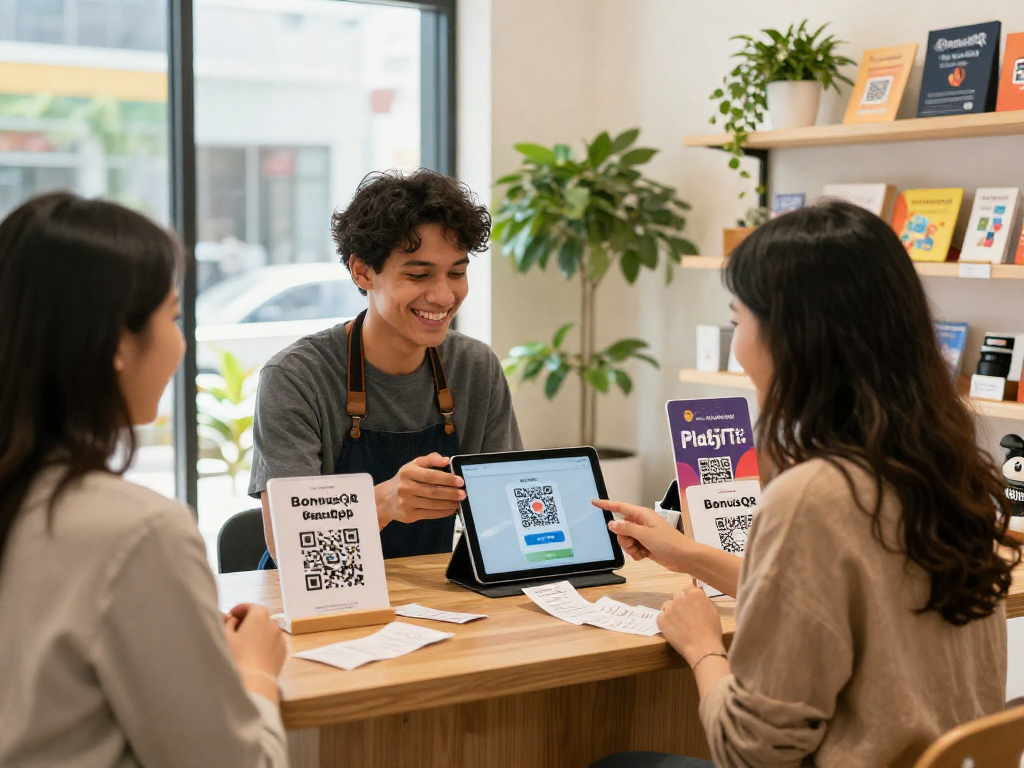
BonusQR uniquely leverages QR code technology to facilitate seamless loyalty program implementation. Customers can easily join the program by scanning a QR code at the business location, which allows them to track their rewards effortlessly. This technology not only enhances user experience but also eliminates the need for cumbersome physical loyalty cards.
No POS Needed: Simplifying Implementation
One of the most significant barriers to implementing a loyalty program is the requirement for complex point-of-sale (POS) systems. BonusQR removes this barrier by allowing businesses to run their loyalty program without any POS setup. This flexibility is especially beneficial for small businesses that may lack the resources for extensive technological investments.
Features that Enhance Customer Engagement
BonusQR offers an array of features that enhance customer engagement, such as automated marketing tools, push notifications, and personalized rewards. These functionalities allow businesses to reach out to customers with timely offers, reminders, and birthday greetings, thereby keeping their brand at the forefront of customers' minds.
Best Practices for Establishing a Loyalty Program
Setting Clear Goals and Objectives
Before launching a loyalty program, it is crucial for businesses to define clear goals. Whether the aim is to increase customer retention, boost average transaction values, or attract new clientele, having specific objectives will guide the program's design and implementation process.
Choosing the Right Reward Structures
The effectiveness of a loyalty program significantly depends on how rewards are structured. Businesses should consider what incentives resonate most with their target audience. For instance, some customers may prefer cashback, while others may value exclusive discounts or free products.
Effective Onboarding and Customer Education
A smooth onboarding process is crucial for the success of any loyalty program. Businesses should educate their customers on how to enroll in the program, earn rewards, and redeem them easily. Clear communication regarding the program's benefits will also enhance engagement and participation rates.
Analytics and Insights: Measuring Loyalty Success
Key Performance Indicators (KPIs) for Loyalty Programs
To gauge the success of a loyalty program, businesses should track various key performance indicators. These may include customer retention rates, frequency of visits, average purchase value, and the number of active loyalty program members. Analyzing these metrics will provide insights into areas of improvement and program effectiveness.
How to Use Customer Data Responsibly
Data privacy is paramount in today's digital landscape. Businesses must ensure they are compliant with regulations such as the GDPR when collecting and utilizing customer data. Transparent data usage policies will help build trust and encourage customers to engage with the loyalty program.
Adjusting Programs Based on Feedback
Customer feedback is invaluable in refining a loyalty program. Businesses should actively seek input from their customers about what they enjoy and what they feel is lacking. Using surveys or incentivized feedback requests can help gather actionable insights for program improvement.
Future Trends in Loyalty Programs for 2026
Personalization and Gamification Techniques
One of the most notable trends for loyalty programs is the increasing emphasis on personalization. Tailoring rewards and communications to individual customer preferences not only enhances user experience but also fosters a sense of exclusivity. Additionally, incorporating gamification elements, such as challenges or milestones, can further engage customers and incentivize participation.
Emerging Technologies in Loyalty Programs
As technology advances, so will the capabilities of loyalty programs. Emerging technologies such as AI and machine learning will enable businesses to analyze customer behavior more effectively, creating more personalized and engaging customer experiences. Blockchain technology may also play a role in creating more secure and transparent loyalty programs.
Preparing for Changes in Consumer Behavior
In 2026, consumer behavior is expected to shift towards valuing sustainability and ethical practices. Loyalty programs that align with these values—such as rewarding customers for sustainable purchases—will likely resonate more with consumers. Staying attuned to these trends is vital for businesses aiming to maintain customer loyalty.
What Should Small Businesses Focus on in Loyalty?
Small businesses should concentrate on building authentic relationships with their customers through loyalty programs. Focus should be placed on creating a sense of community, offering engaging and relevant rewards, and leveraging technology to simplify participation. By doing so, businesses can create a strong foundation for long-term loyalty.
Where Can I Find More Information?
For further insights into loyalty programs and how to implement them effectively, businesses should consult industry resources and reports. For more information, loyalty offers valuable insights. Engaging with platforms that specialize in loyalty solutions, like BonusQR, can provide valuable tools and strategies tailored to small business needs.