
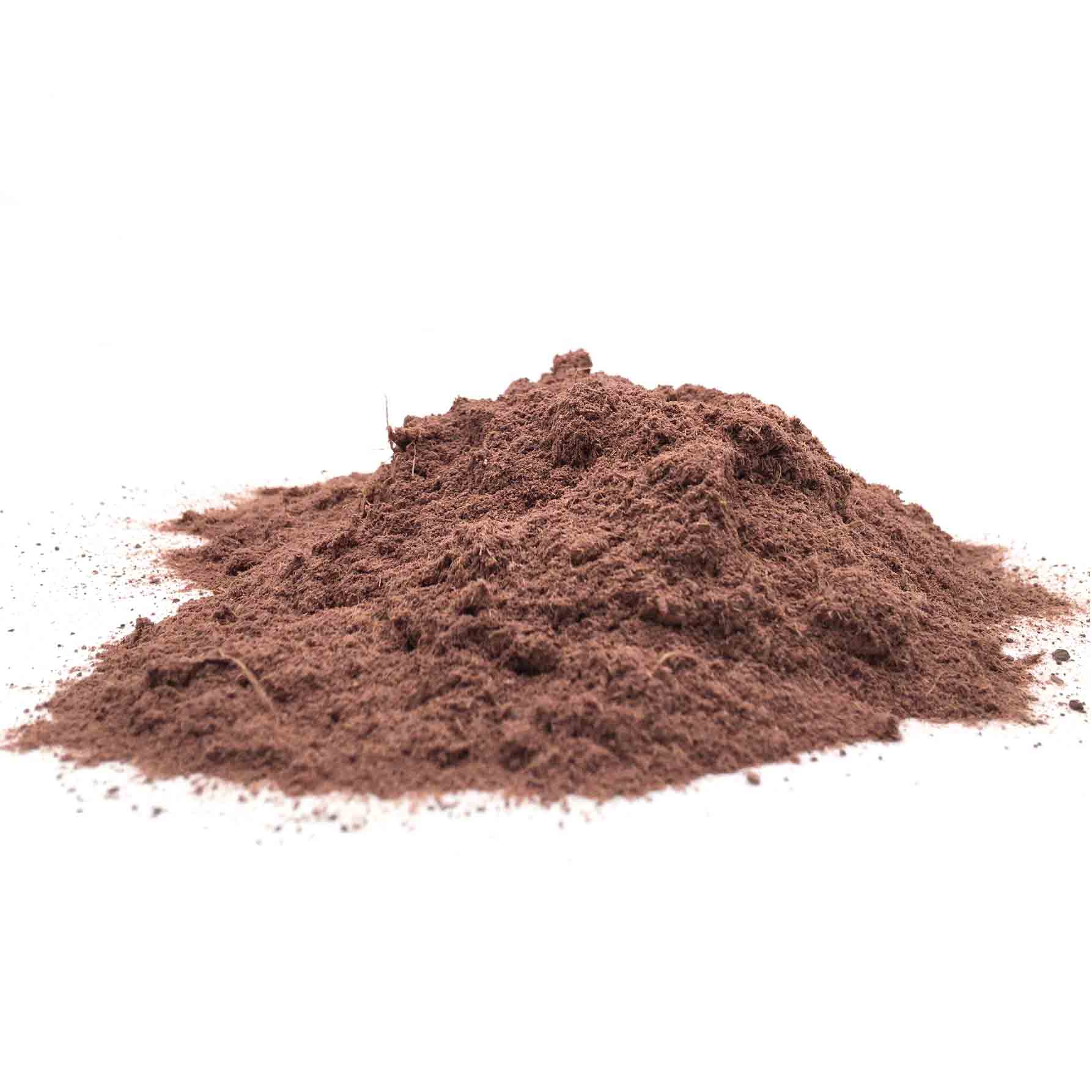
Alkanet red dye has a longstanding reputation among natural dyers for its ability to produce mesmerizing purple-red hues straight from the roots of the Alkanna tinctoria plant. Yet many artisans specifically seek ways to achieve deeper, richer red tones—colors that stand out with bold warmth and earthy vibrancy. Mastering this botanical dye requires understanding its behavior, preparation methods, and the variables that influence final shades. In this guide, we’ll explore how to unlock the deepest reds possible using Alkanet red dye while keeping your dyeing process natural, controlled, and creative.
Understanding the Unique Color Properties of Alkanet Red Dye
How the Dye Reacts to Different Conditions
Alkanet red dye is highly sensitive to temperature, mordants, and pH levels. While it can produce everything from smoky violets to deep burgundies, the richest reds emerge when these conditions are carefully adjusted. Recognizing how Alkanet red dye interacts with your fiber and process is the key to achieving consistent deep tones.
Why Alkanet Red Dye is Ideal for Deeper Shades
Many natural dyes lean toward pastel or muted tones, but Alkanet red dye stands out because it contains naphthoquinone pigments that darken beautifully when paired with the right preparation. This makes it a favorite among traditional dyers seeking intensity without synthetic additives.
Preparing Fibers for Deep Red Results
Choosing the Right Fiber
Protein fibers like wool and silk absorb Alkanet red dye exceptionally well, often yielding richer shades than cellulose fibers. However, with proper preparation, cotton and linen can also achieve stunning depth.
Mordanting for Color Enhancement
For best results, mordanting is essential. Alum helps create bright yet deep red tones, while iron shifts Alkanet red dye toward darker burgundies. Some dyers even use a combination method—alum first, followed by a light iron afterbath—to intensify saturation.
Pre-Soaking for Even Absorption
Allowing fibers to soak for several hours ensures they absorb Alkanet red dye evenly. This step prevents patchiness and supports deeper color development during the dye bath.
Extracting Color from Alkanet for Maximum Red Saturation
Hot Extraction Method
Simmering the chopped roots is one of the most reliable ways to release deep pigments. For maximum output, Alkanet red dye should be extracted slowly over low heat for at least an hour. Overheating can shift colors toward purple, so maintaining a gentle simmer helps preserve red tones.
Oil Infusion for Enhanced Depth
One traditional method involves infusing Alkanet red dye in oil before dyeing. This pre-extraction technique can intensify the pigments, producing richer reds when used in combination with a hot dye bath. While it adds time, it delivers impressive depth.
Alcohol Extraction for Stronger Color
Some artisans soak the roots in alcohol to extract more concentrated pigments before adding them to the dye bath. This method allows the Alkanet red dye to dissolve faster and bind more deeply to the fiber.
Adjusting pH Levels to Achieve Deep Reds
The Importance of pH in Dyeing
Alkanet red dye responds dramatically to pH. Acidic environments help pull the color toward red tones, while alkaline environments push it toward purple or blue.
Creating an Acidic Dye Bath
To enhance red tones, add a small amount of vinegar or citric acid to the dye bath. This shifts the Alkanet red dye into a warmer, deeper red zone. A little goes a long way—excess acid may dull the color.
Experimenting With Balance
pH adjustments allow for nuanced color control. Testing small samples can help you understand how much acidity is needed to achieve your ideal shade.
Techniques for Producing the Deepest Red Shades
Long Soak Method
Allowing fibers to sit in the dye bath for extended periods—sometimes overnight—helps the Alkanet red dye penetrate fully. The longer the soak, the deeper the intensity.
Layering and Overdyeing
Overdyeing with complementary natural dyes like madder or cochineal enhances warmth and builds complex, dramatic reds. Layering Alkanet red dye beneath these dyes creates multidimensional tones that many artisans love.
Using Heat Strategically
Maintaining a consistent medium heat allows Alkanet red dye to bond deeply without shifting too far into purple. Slow, controlled heating gives the best balance of richness and stability.
Troubleshooting Common Issues When Dyeing with Alkanet Red Dye
Color Turning Too Purple
This usually indicates that the pH is too alkaline. Adding a mild acidic agent can help transform the color back toward rich red.
Pale or Washed-Out Results
Increasing the dye-to-fiber ratio or extending steeping time can deepen the shade. You may also try an alcohol extraction for stronger pigment release from the Alkanet red dye.
Uneven Color Absorption
Make sure fibers are fully wetted and mordanted evenly. Stirring gently during dyeing also helps prevent patchiness.
Tips for Consistent Success with Alkanet Red Dye
Keep Detailed Notes
Because natural dyes can vary, documenting your process—water quality, mordant ratios, and extraction method—helps you repeat your favorite deep red results.
Test Before Committing
Always dye a small sample before processing large quantities. This ensures your final results match your expectations.
Combine Tradition and Innovation
Whether you follow historical recipes or experiment with modern adjustments, Alkanet red dye offers endless creative possibilities.
Conclusion
Achieving deep reds with Alkanet red dye is a rewarding process that blends technique, patience, and creativity. By understanding how fiber type, pH balance, extraction methods, and mordants influence the final color, artisans can unlock rich, bold tones that stand out beautifully in natural dyeing projects. With thoughtful preparation and a willingness to experiment, Alkanet red dye becomes a powerful tool for creating stunning, sustainable reds that honor both tradition and artistry.