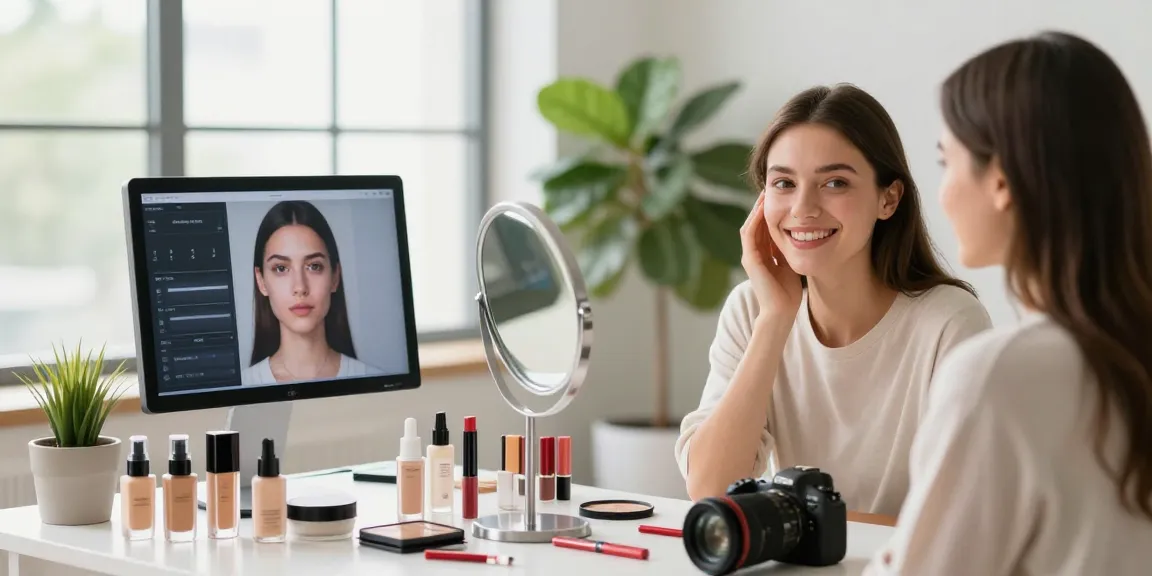
Understanding How Age Perception Works
As we age, our faces undergo numerous changes that can influence how old we appear to others. The concept of perceived age can be fascinating, particularly given the societal emphasis on youth and beauty. People often wonder, “how old do I look?” This curiosity has led to a surge in tools and technology aimed at estimating one's facial age. In this comprehensive exploration, we will delve into the various aspects of age perception, the scientific principles behind it, and the tools available to help individuals understand their perceived age.
What Contributes to Facial Age?
Multiple factors contribute to how we perceive age in faces, including skin texture, wrinkles, and overall facial structure. Key elements include:
- Skin Quality: Sagging skin, blemishes, and an uneven complexion can all make someone appear older.
- Facial Features: The prominence of certain facial features, such as wrinkles around the eyes (crow's feet) or deep laugh lines, can influence perceived age.
- Hair Color: Graying or thinning hair is often associated with aging.
Common Misconceptions About Aging
There are many myths surrounding aging that can shape our perception. Some people believe, for example, that age is strictly a function of years lived, disregarding factors such as lifestyle, genetics, and environmental influences. Additionally, the stereotype that aging is inherently negative can shape our attitudes toward growing older.
The Role of Genetics and Lifestyle in Perceived Age
Genetics plays a vital role in how we age. Some individuals may retain youthful features well into their later years due to hereditary factors. Lifestyle choices also significantly impact perceived age. Factors such as diet, exercise, and sun exposure can accelerate or slow down the aging process. A balanced diet rich in antioxidants can improve skin health, while regular physical activity can promote overall vitality.
The Rise of AI in Age Estimation
Advancements in artificial intelligence (AI) have transformed the way we estimate age. Numerous apps and online tools now leverage machine learning algorithms to analyze facial features and provide age estimates with impressive accuracy. With the increasing popularity of these tools, individuals are more curious than ever about how technology can help them decipher their perceived age.
How AI Technologies Estimate Your Age
AI age estimation tools utilize a variety of techniques, including facial recognition and image processing. These technologies analyze thousands of images to discern patterns correlating specific facial features with age. By applying these parameters to new images, AI can provide an age estimate that reflects perceived biological age rather than chronological age.
Comparing Different Age Estimation Tools
There is a myriad of age estimation tools available online. Some popular options include:
- FaceAge.ai: This tool uses AI to deliver fast and secure estimations based on uploaded photos.
- Fotor: An online age guesser that requires no signup and analyzes skin and facial features.
- BeautyPlus: Offers a fun way to find out how old you really look with a straightforward interface.
Privacy Considerations When Using Age Estimation Apps
Many users have valid concerns regarding privacy when using online age estimation tools. It’s essential to choose apps that prioritize user privacy, ensuring that uploaded photos are not stored or used for any other purposes. Before uploading any images, always read the privacy policy of the app.
Step-by-Step Guide to Using Online Age Guessing Apps
Using an online age guessing app can be straightforward if you follow these guidelines. This section offers a step-by-step approach to help you navigate the process effectively.
Choosing the Right App for Your Needs
Not all age estimation apps are created equal. Look for features that best fit your requirements, such as:
- User-friendly interface
- Accuracy of age estimation
- Privacy policies and security features
Uploading Your Photo Safely
Once you have selected an app, the next step is to upload a photo. Ensure that the image is clear and well-lit to obtain accurate results. Avoid using heavily filtered images, as these may skew the analysis. Always double-check the app's privacy settings before upload.
Understanding the Results: What They Mean
After receiving your estimated age, it's essential to interpret the results accurately. Consider the factors that influence the estimation, including the algorithm's training data and the quality of your image. Remember, these tools provide an estimate that may not reflect your actual age.
Enhancing Your Appearance with Age Estimation Insights
Understanding perceived age can also be a stepping stone toward enhancing your appearance. Here are some insights based on age estimation analyses.
Skincare Tips for Younger-Looking Skin
To maintain a youthful appearance, consider incorporating the following skincare tips into your routine:
- Use sunscreen daily to protect against UV damage.
- Incorporate retinoids to improve skin texture and reduce fine lines.
- Stay hydrated – drink plenty of water.
Makeup Techniques to Reduce Apparent Age
Makeup can be a powerful tool in shaping perceived age. Here are a few techniques to help you look more youthful:
- Use lightweight foundations to avoid a cakey, aged appearance.
- Highlight the eyes with soft colors to make them pop.
- Opt for creamy blushes rather than powders to maintain a dewy finish.
Healthy Lifestyle Choices for Maintaining Youthful Vitality
A healthy lifestyle significantly influences how old you look. Focus on:
- Regular exercise to boost circulation and skin health.
- A balanced diet rich in fruits and vegetables for essential vitamins.
- Adequate sleep to allow your body to repair and rejuvenate.
Future Trends in Age Estimation Technology
The future of age estimation technology promises exciting advancements. As AI continues to evolve, we can expect more accurate and nuanced tools that provide deeper insights into the aging process.
Predictions for 2026 and Beyond
Looking ahead, experts predict that age estimation tools will become more sophisticated, incorporating additional factors such as lifestyle and health data. This could result in personalized care recommendations based on perceived age.
The Impact of AI on Beauty and Self-Image
As AI technologies progress, individuals may feel empowered to embrace their age while also making informed decisions about their appearance. This balance could shift societal norms around beauty and aging.
Emerging Tools and Techniques in Age Perception
Innovations in machine learning and user interfaces will likely yield new tools that offer real-time analyses and personalized advice on how to maintain a youthful look.
How Accurate Are Online Age Estimators?
The accuracy of online age estimators varies based on the algorithm's training and the quality of the data used to create them. While they provide a fun and insightful glance at perceived age, users should approach the results with a grain of salt.
Can You Really Change How Old You Look?
Yes, with the right skincare and lifestyle choices, individuals can positively impact their appearance. Consistency in applying these methods can lead to noticeable results over time.
What Users Should Consider When Using Age Estimation Apps?
Users should consider the privacy policies of the apps they choose, the accuracy of the estimations, and their expectations. Age estimation is not an exact science but rather an engaging exploration of perception.
Are There Age Estimation Tools for Men?
Absolutely! Many age estimation tools cater to both men and women, offering insights into perceived age regardless of gender. The algorithms used analyze features that are common to all faces.
How to Share Your Results for Fun Without Compromising Privacy?
Many users enjoy sharing their age estimation results for fun. It's recommended to share screenshots without including identifying personal information or to discuss results verbally rather than visually.