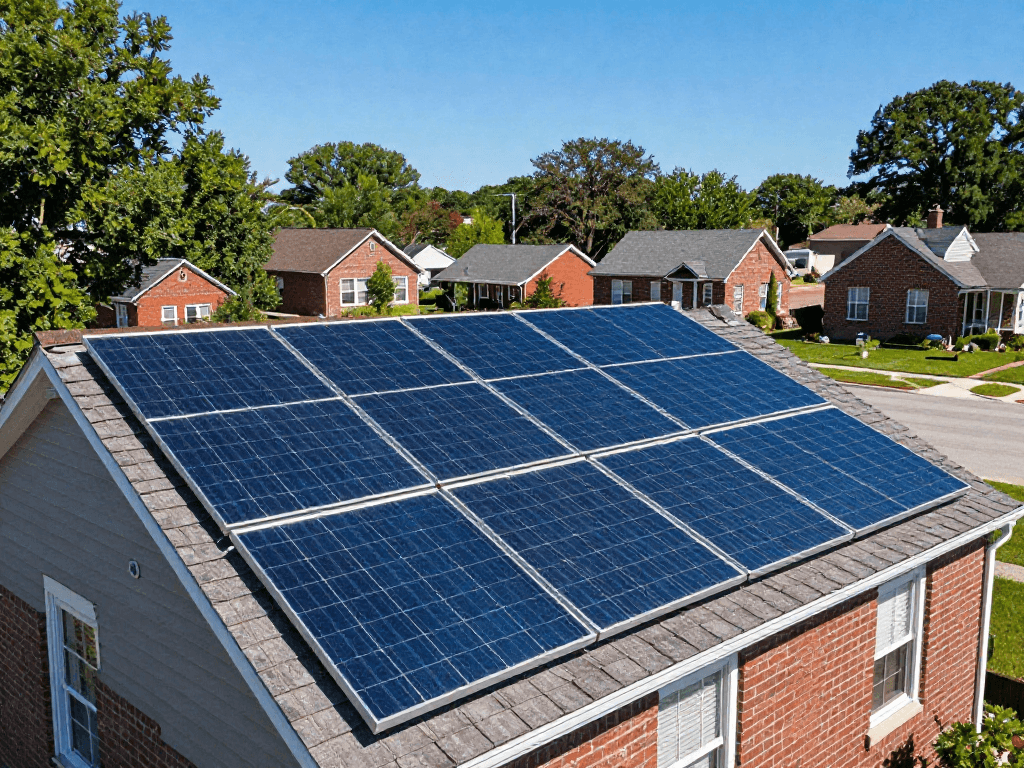
Understanding the Cost of Solar Panels in Illinois
As Illinois homeowners increasingly consider solar energy as a reliable alternative to traditional electricity, it's essential to understand the costs associated with solar panel installation. The question surfaces often: how much do solar panels cost in illinois? With rising electricity rates and the push for sustainable energy solutions, homeowners want clear answers regarding upfront investments and long-term savings.
The Factors Influencing Solar Panel Prices
Several factors contribute to the pricing of solar panels in Illinois, including the type of solar system, installation expenses, and the availability of incentives. Key elements that influence costs include:
- Type of Solar Panels: Most installations feature either monocrystalline or polycrystalline panels. Monocrystalline panels generally cost more but offer higher efficiency and space utilization. Polycrystalline options are cheaper but less efficient, requiring more roof space.
- Installation Costs: Labor costs can significantly affect the overall price. Professional installation is recommended to ensure optimal performance and compliance with local regulations.
- Size of the System: The larger the solar system, the higher the costs. However, larger systems tend to produce more energy and can lead to significant savings over time.
- Roof Characteristics: The angle, orientation, and material of the roof can affect installation complexity and, consequently, costs.
- Location and Local Regulations: Depending on the location, local zoning laws, building codes, and permitting requirements can also impact pricing.
Initial Investment vs. Long-Term Savings
Homeowners often face a dilemma between the initial investment required for solar panel installation and the potential long-term savings. While solar systems can represent a significant upfront cost—often between $10,000 and $30,000 after incentives—financial projections suggest substantial savings over time. With a typical payback period ranging from 5 to 10 years, savings on electricity bills and state incentives can lead to a favorable return on investment.
Available Incentives and Rebates
Illinois offers a variety of incentives and rebates aimed at making solar energy more accessible for homeowners. Some noteworthy programs include:
- Illinois Shines: This program provides Renewable Energy Credits (RECs) to solar system owners, which can be sold to utilities and generate additional income.
- Smart-Inverter Rebate: Homeowners can receive a rebate of $300 per kilowatt (kW) on qualified smart inverters, which enhance system functionality.
- Federal Tax Credit: Although the federal residential solar tax credit (Investment Tax Credit) is set to decrease, it remains available and is an important factor for considerations.
Pros of Installing Solar Panels
Environmental Benefits of Solar Energy
Switching to solar energy has profound environmental benefits, significantly reducing carbon footprints. By harnessing a clean, renewable energy source, homeowners contribute to lower greenhouse gas emissions while fostering sustainable energy practices.
Energy Independence and Security
Solar power grants homeowners more control over their energy supply. By generating their own electricity, homeowners can lessen dependency on traditional utilities, safeguarding against rising energy prices and potential supply disruptions.
Increasing Property Value in Illinois
Properties equipped with solar panels often see an increase in market value. Many potential buyers view solar as a desirable feature, providing long-term financial benefits through reduced utility costs.
Cons of Solar Panel Installation
Upfront Costs and Financial Considerations
Despite significant long-term benefits, the initial costs can be challenging for many homeowners. Financing options are available, but they can lead to extended periods of additional debt. Additionally, fluctuations in market conditions may affect the projected return on investment.
Maintenance and Reliability Issues
Solar energy systems require maintenance, even if it's minimal. Homeowners must ensure the panels are not obstructed by debris or shade, and system components may need occasional repairs or replacements, potentially adding unexpected costs.
Impact of Weather and Performance Variability
Weather patterns in Illinois, including cloudy days and harsh winters, can impact solar panel efficiency. Homeowners need to consider that energy production may vary seasonally, potentially leading to compliance or performance concerns during peak demand periods.
Comparing Solar Panel Options for Illinois Homeowners
Traditional Monocrystalline vs. Polycrystalline Panels
Choosing between panel types can yield different benefits:
- Monocrystalline Panels: High efficiency (15%–22%), making them ideal for smaller roofs. They perform better in low-light conditions and typically last longer.
- Polycrystalline Panels: Lower efficiency (13%–16%) but come at a lower price point. Best suited for areas with ample space for installation.
Understanding Battery Storage Solutions
Battery storage systems allow homeowners to store energy generated from solar panels for use during peak demand or outages. Essential considerations include:
- Capacity: The measured ability of the battery to store energy, typically measured in kilowatt-hours (kWh).
- Compatibility: Ensure battery systems are compatible with the solar inverter and the local grid to function efficiently.
- Incentives: Check for existing rebates for battery installations in Illinois, which can reduce initial costs.
Choosing the Right Installation Company
Selecting a reputable installation company is critical for ensuring a successful solar project. Factors to consider include:
- Experience and Certifications: Choose a company with a solid track record and necessary certifications.
- Customer Reviews and Testimonials: Research previous customer experiences to gauge reliability.
- Warranty and Support Options: Investigate warranty terms to ensure protection against defects and issues post-installation.
Future Trends in Solar Energy Costs
Technological Innovations Affecting Pricing
As solar technology continues to evolve, costs are expected to decline further. Innovations in photovoltaic cells, battery storage solutions, and energy management systems are powerful drivers in reducing overall solar energy expenses for homeowners.
Policy Changes Impacting Solar Energy Adoption
Legislative support for renewable energy is crucial for advancing adoption rates. Potential changes in state and federal policies, incentives, and renewable energy standards can impact future decisions regarding solar energy.
Market Predictions for Illinois Solar in 2026
The solar market in Illinois is predicted to remain robust. With grid capacity issues and rising utility prices being prevalent, solar energy solutions are likely to be considered a viable long-term investment for homeowners through 2026 and beyond. Customer interest in clean energy and energy independence continues to drive demand.
FAQs
What are the average installation costs for solar panels in Illinois?
The average installation cost for solar panels in Illinois generally falls between $10,000 and $30,000 after state and federal incentives.
How do Illinois solar incentives work?
Incentives like Illinois Shines and the smart-inverter rebate can significantly reduce upfront costs, making solar investment more attractive.
Can I benefit from solar energy if my house is shaded?
Typically, shaded homes have reduced solar efficiency; however, options such as community solar or solar battery systems can still provide benefits.