Understanding Clarksburg Wines: An Introduction
Nestled in the heart of California's Central Valley, Clarksburg is a lesser-known gem in the winemaking world. Renowned for its unique terroir, the region produces a wide variety of exceptional wines, drawing enthusiasts eager to explore its hidden treasures. For those looking to delve into the rich world of Clarksburg wines, this guide provides an extensive overview of its history, grape varieties, and distinctive qualities that make it stand out. The charm of Clarksburg wines goes beyond just taste: it reflects the hard work and creativity of local winemakers who take pride in their craft. Imagine savoring that first sip, rich with character, and knowing its roots stem from a region steeped in tradition and innovation. To fully explore this remarkable region, check out the offerings of Clarksburg wines.
History of Winemaking in Clarksburg
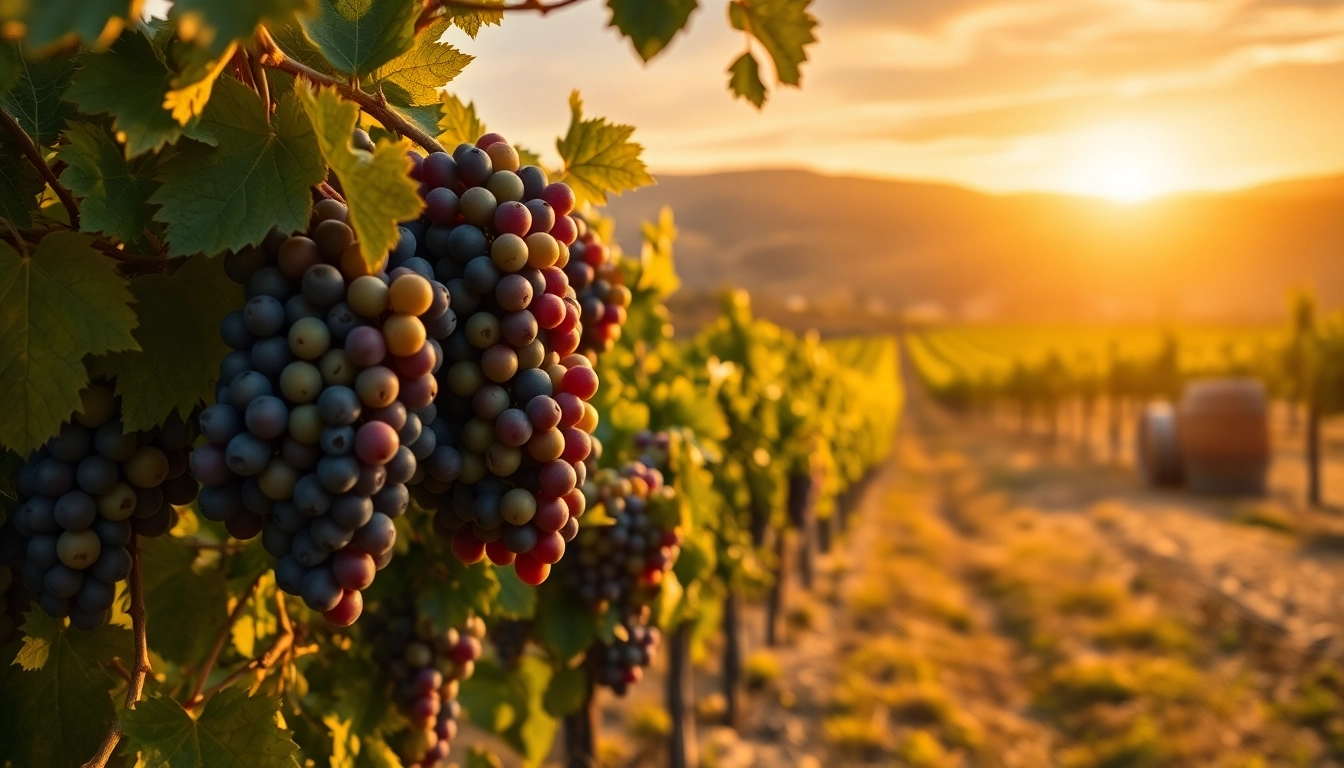
Winemaking in Clarksburg dates back to the late 1800s when the area was settled by European immigrants who recognized the potential of its fertile soils and favorable climate. Initially home to small family farms that grew a variety of crops, the region’s transformation into a significant winemaking area began in the 1970s. The warm days and cool nights present in Clarksburg create ideal conditions for growing grapes, leading to the establishment of several vineyards and wineries.
Over the years, Clarksburg has gained acclaim for its unique blends, particularly in varietals such as Chenin Blanc and Sauvignon Blanc. As the winemaking practices evolved, so did the desire to establish a regional identity for Clarksburg. In 1983, the area officially earned its AVA (American Viticultural Area) designation, enhancing its reputation as a destination for wine lovers and collectors alike. This rich history intricately weaves into every bottle produced in Clarksburg, showcasing a strong sense of place and heritage.
Key Grape Varieties
Clarksburg is home to a diverse array of grape varieties that thrive in its unique climate. Among the stars of the region are:
- Chenin Blanc: One of the most widely planted varieties, known for its versatility, this grape produces refreshing wines with bright acidity and fruit-forward flavors.
- Sauvignon Blanc: Often showcasing notes of citrus and grassy characteristics, Clarksburg Sauvignon Blanc is celebrated for its crispness and vibrant flavor palette.
- Zinfandel: A hallmark of California winemaking, Zinfandel from Clarksburg offers a balance of ripe berry fruit and spice, making it a favorite among red wine enthusiasts.
- Cabernet Sauvignon: This popular varietal finds a home in Clarksburg, producing elegant wines with depth and structure complemented by the region's unique terroir.
Why Clarksburg Wines Stand Out
What sets Clarksburg wines apart is not only the grape varieties but also the commitment of local vintners to quality over quantity. The emphasis on sustainable farming practices, coupled with a focus on preserving the area's natural resources, contributes to the unique flavor profiles of these wines. Winemakers often employ minimal intervention techniques to allow the grapes to express the true essence of the terroir.
Additionally, the diverse landscape of Clarksburg, featuring unique microclimates and soil types, allows for an array of growing conditions that enhance the characteristics of the wines. This dedication to meticulous winemaking ensures that Clarksburg wines resonate well with both casual drinkers and connoisseurs alike.
The Terroir of Clarksburg: What Makes It Unique
Climate and Geography
Clarksburg benefits from a Mediterranean climate characterized by hot, dry summers and mild, wet winters. The region's geography includes sloping hills and alluvial plains, creating varied microclimates suitable for a wide range of grape varieties. The diurnal temperature variation—where daytime temperatures can peak significantly but cool off at night—supports optimal ripening without sacrificing acidity.
This climate, combined with proximity to the Sacramento River, offers a moderated atmosphere that helps maintain moisture levels, ideal for grape cultivation. These climatic advantages ensure that grapes reach full maturity, resulting in nuanced flavor profiles.
Soil Composition
The soil in Clarksburg is as diverse as its climate, with the primary composition being sandy loam along with clay and gravel components. This varied soil profile is essential for achieving great drainage, which helps the vines develop robust root systems and promotes healthy growth. The distinct soil qualities also influence the flavor characteristics of the grapes, allowing for a unique expression of each varietal.
Additionally, the presence of volcanic ash in some areas contributes to the minerality found in certain wines, particularly white varietals. Understanding the various soil types in Clarksburg allows producers to select the best grapes and optimize the quality of their wines, enhancing the overall reputation of the region.
Impact on Flavor Profiles
The interplay of climate and soil in Clarksburg significantly impacts the flavor profiles of its wines. For instance, the warm growing season allows grape varieties like Zinfandel to achieve full ripeness, leading to bold, jammy flavors complemented by spicy notes derived from the unique soil composition. In contrast, the cool evenings help preserve the bright acidity and fruity characteristics typical of the region's whites.
The nuanced profiles of Clarksburg wines reflect not just the environmental factors but also the skill and dedication of the local vintners. Winemakers leverage their understanding of the terroir to create distinctively balanced wines with a rich narrative of the land, enhancing the drinking experience.
Exploring the Best Clarksburg Wines
Top Red Wines to Try
The red wines of Clarksburg are a testament to the area’s dedication to craft. Here are some of the top choices to explore:
- Clarksburg Zinfandel: Known for its lush fruit flavors of raspberry and blackberry, balanced with notes of pepper and spice, this wine is a representation of Clarksburg's rich winemaking tradition and personality.
- Cabernet Sauvignon: A bold and structured wine, Clarksburg Cabernet Sauvignon delivers dark fruit flavors complemented by hints of oak and tannin, making it a favorite for aging or pairing with hearty dishes.
- Syrah: This varietal thrives well in Clarksburg, producing rich wines that often boast layers of dark fruit, smokiness, and peppery spice.
Exceptional White Wines
Clarksburg is equally renowned for its white wines. Some noteworthy selections include:
- Chenin Blanc: A quintessential Clarksburg wine, its bright acidity and flavors of green apple, pear, and honeysuckle make it versatile and food-friendly.
- Sauvignon Blanc: Crisp and refreshing, this varietal exhibits citrus notes and a grassy finish, perfect for warm summer days and light fare.
- Viognier: Often exhibiting floral aromas and stone fruit flavors, Clarksburg Viognier offers a rich mouthfeel complemented by a touch of minerality.
Signature Blends from Clarksburg
Blends crafted in Clarksburg often highlight the strengths of multiple varietals, resulting in harmonious wines. Some exciting examples include:
- Chenin Blanc and Viognier Blend: This combination showcases the best of both worlds, with the Chenin Blanc providing crispness and the Viognier adding complexity and richness.
- Red Blends: Often featuring a mix of Zinfandel, Syrah, and Cabernet Sauvignon, these blends capture the essence of the region, with layers of fruit, earth, and spice.
Pairing Clarksburg Wines with Food
Red Wine Pairings
Selecting the right food to complement Clarksburg's red wines can elevate your dining experience. Here are some pairing suggestions:
- Zinfandel: Pairs beautifully with barbecue dishes and spicy sausages, enhancing the wine's fruit-forward flavors.
- Cabernet Sauvignon: Excellent alongside grilled steak, lamb, or rich pasta dishes, where its bold tannins can assert themselves.
- Syrah: Enjoy with roasted meats and hearty stews, as the wine's spice and fruit will intermingle wonderfully with savory flavors.
White Wine Pairings
When it comes to white wines, Clarksburg offers versatile options. Consider these pairings:
- Chenin Blanc: This wine complements seafood, salads, and light pasta dishes well, thanks to its balancing acidity.
- Sauvignon Blanc: Ideal with fresh salads, goat cheese, or grilled chicken, enhancing the brightness of both food and wine.
- Viognier: Serves as a lovely match with rich dishes like creamy risotto or roasted chicken, seamlessly blending flavors.
Blends and Food Compatibility
Blended wines from Clarksburg can also provide unique pairing opportunities:
- Red Blends: Perfect for hearty meals, they can enhance the flavors of dishes like beef stew or mushroom risotto.
- Chenin Blanc and Viognier Blend: This versatile option can accompany diverse dishes, from spicy Asian cuisine to Mediterranean staples.
Visiting Clarksburg: Winemaking Experiences
Wine Tasting Tours
For a truly immersive experience, visiting Clarksburg’s wineries for tastings is a must. Many wineries offer tours where you can learn about the winemaking process, delve into the rich history of the region, and sample an array of wines. Numerous tours include vineyard walks, allowing guests to see firsthand how grapes are cultivated and harvested.
Engaging with winemakers can provide valuable insights into their techniques and philosophies, further enhancing your appreciation of Clarksburg wines. Additionally, many wineries feature beautiful tasting rooms that provide stunning views of the surrounding landscapes, making the experience even more memorable.
Events and Festivals
Clarksburg hosts various wine-related events throughout the year, celebrating its vibrant winemaking culture. Annual festivals often feature tastings, food pairings, and live entertainment, drawing visitors from near and far to enjoy the region's offerings.
Keep an eye out for seasonal events that focus on specific varietals or themes, providing an opportunity to engage with the community and discover new wines. These events are not only fun but also a fantastic way to meet fellow wine enthusiasts and learn more about Clarksburg's offerings.
Tips for Wine Enthusiasts
When planning a visit to Clarksburg, here are some helpful tips:
- Plan Ahead: Make reservations for tastings and tours to ensure you secure your preferred times, particularly during peak seasons.
- Ask Questions: Engage with staff and winemakers during tastings to gain insights about the wines and the region's unique characteristics.
- Take Notes: With so many exquisite wines to sample, jotting down your impressions can help you remember your favorites for future purchases.
Frequently Asked Questions
What grape varieties are primarily grown in Clarksburg?
Clarksburg is known for its Chenin Blanc, Sauvignon Blanc, Zinfandel, and Cabernet Sauvignon, among other varieties that thrive in the area’s unique terroir.
Are Clarksburg wines suitable for aging?
Many red wines from Clarksburg, especially Cabernet Sauvignon and Zinfandel, have the potential for aging, while whites are typically enjoyed younger for their fresh character.
What is the best time to visit Clarksburg?
The best time to visit Clarksburg is during the fall when the grape harvest occurs, and various wine events take place, offering rich experiences.
Can I take tours at Clarksburg wineries?
Yes, most wineries in Clarksburg offer tours that provide insights into their winemaking processes and a taste of their wines. Reservations are often recommended.
What food pairs well with Clarksburg wines?
Clarksburg wines pair excellently with a variety of foods, from light salads and seafood for whites to hearty meats and rich pasta dishes for reds.