Understanding Tensile Strength Testing
Tensile strength testing plays a crucial role in evaluating the performance and durability of various materials, particularly in the textile and manufacturing industries. By measuring the maximum force a material can withstand while being stretched or pulled before breaking, manufacturers can ensure that their products meet safety and performance standards. The advancement of testing machines, such as the tensile strength tester, has made it easier for companies to conduct these tests effectively and efficiently.
What is a Tensile Strength Tester?
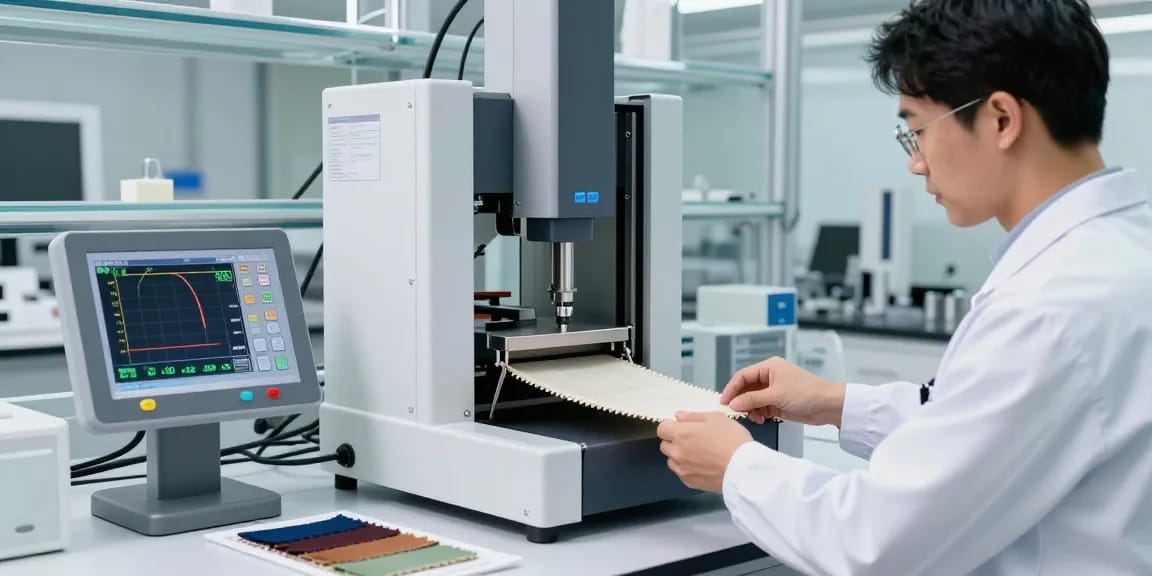
A tensile strength tester is a specialized device designed to measure the tensile strength of materials. The machine works by applying a controlled force to a test specimen until it fails. Most tensile strength testers are equipped with advanced technology to ensure accurate measurements and provide detailed data regarding the material's performance. This data helps manufacturers select suitable materials and optimize their production processes.
Importance of Tensile Strength in Textiles
Tensile strength is a critical property for textiles, as it directly impacts the fabric’s usability and longevity. Higher tensile strength indicates the ability of a fabric to withstand stretching and tearing, making it essential in applications such as apparel, upholstery, and automotive components. By understanding the tensile strength of materials, manufacturers can ensure that their products are safe, reliable, and meet the expectations of consumers.
Key Components of a Tensile Strength Tester
The primary components of a tensile strength tester include:
- Load Cells: These devices measure the force applied to the material during testing and convert it into an electrical signal.
- Displacement Transducers: These components measure the elongation of the material, providing data on how much the sample stretches under stress.
- Power System: A motor-driven system that applies tension to the test specimen at a controlled speed.
- Software: Programs that analyze and display test results, helping users to interpret data effectively.
How the SmartPull Tensile Tester Works
The SmartPull tensile tester incorporates advanced engineering and technology to ensure precise testing of various materials. It features an intuitive user interface that simplifies the operation, making it suitable for both beginners and experienced technicians.
Operational Mechanisms Explained
The SmartPull works by gripping the material at both ends and applying a controlled pulling force. As the force increases, the machine measures the weight at which the material breaks, calculating both the tensile strength and elongation at break. This process adheres to international standards, ensuring reliability in results.
Safety Features and User Protections
Safety is paramount when conducting tensile tests. The SmartPull is equipped with several protective mechanisms that prevent overloading and monitor torque levels. If excessive torque or displacement is detected, the system will automatically shut down to protect both the machine and the operator, ensuring safe operations during testing.
Software Capabilities and Data Analysis
The advanced software included with the SmartPull tensile tester is designed to display comprehensive data analyses, including stress-strain curves, maximum force, displacement, and elongation metrics. This software allows users to conduct multi-step tests and obtain detailed reports, which assist in making informed decisions regarding material quality and performance.
Applications of the Tensile Strength Tester
Tensile strength testers are widely applicable across numerous industries, offering essential data for various applications.
Industries Benefiting from Tensile Testing
Some key industries that benefit from tensile strength testing include:
- Textile Industry: For quality assurance in fabrics and apparel.
- Automotive Sector: To test materials used in vehicle interiors and safety features.
- Construction: For assessing the strength of fabrics used in construction applications such as tarpaulins and geotextiles.
Case Studies: Real-World Applications
One notable case involved a major apparel manufacturer that utilized the SmartPull tester to evaluate the tensile strength of their fabrics. By implementing rigorous testing, they identified weaknesses in specific materials, enabling them to refine their supply chain and enhance product durability. This led to improved customer satisfaction and reduced return rates.
Testing Standards and Compliance Requirements
Complying with international standards is essential for manufacturers. The SmartPull tensile tester meets various testing standards, including ISO 13934-1/2, ASTM D5034, and others, ensuring that test results are acceptable in international markets. Adherence to these standards enhances credibility and trust among consumers.
Choosing the Right Tensile Strength Tester
Selecting an appropriate tensile strength tester can be pivotal for your testing needs. Consider the following factors to make an informed choice.
Factors to Consider When Selecting a Tester
- Testing Capacity: Ensure that the machine can accommodate the materials you will be testing.
- Software Functionality: Evaluate the capabilities of the software for data analysis and reporting.
- Space Requirements: Assess the physical dimensions of the machine to confirm it fits your workspace.
Comparative Analysis with Competitors
When comparing the SmartPull tensile strength tester with competitors, factors such as accuracy, ease of use, and customer support stand out. The SmartPull's high precision and user-friendly interface provide significant advantages, making it a preferred choice among professionals.
Cost Considerations and Budgeting for Testing Equipment
Budgeting for a tensile strength tester involves understanding its overall cost, which can range from $3,000 to over $30,000 depending on features and specifications. It's crucial to balance cost with the quality of testing equipment to ensure long-term value.
Future Trends in Tensile Strength Testing
As technology advances, tensile strength testing methods will continue to evolve, impacting various industries.
Innovations on the Horizon for Textile Testing
Emerging innovations include the integration of artificial intelligence to enhance data analysis and predictive modeling capabilities. This will allow for more tailored solutions to specific material applications.
Impact of Technology on Testing Accuracy
With developments in sensor technology and data analytics, future tensile strength testers could achieve even greater accuracy levels. This precision is crucial for industries demanding high-performance materials.
Predictions for the Industry by 2026
By 2026, the tensile strength testing industry is expected to see substantial growth, driven by the increasing demand for high-quality materials in sectors like automotive and aerospace. The rise of eco-friendly materials will also necessitate advanced testing methods to ensure safety and durability.
What types of materials can be tested with a tensile strength tester?
Tensile strength testers can evaluate a variety of materials, including textiles, plastics, metals, and composites, making them versatile tools for laboratories and manufacturing facilities.
How can I ensure accurate results from my tensile strength tester?
Regular calibration of the tensile strength tester is key to maintaining accuracy. Additionally, ensuring proper sample preparation and adhering to standard operating procedures will contribute to reliable results.
What are the common standards for tensile testing?
Common standards include ASTM D5034, ISO 13934, and GB standards, which provide guidelines on testing procedures and criteria for different materials.
How often should I calibrate my tensile strength tester?
Calibration frequency depends on usage intensity and manufacturer recommendations, but it is generally advised to calibrate before each testing session or quarterly for heavy use.
What makes the SmartPull tensile tester stand out from others?
The SmartPull tensile tester distinguishes itself through its innovative design, high precision, comprehensive software capabilities, and robust safety features, making it a valuable asset for quality control in various manufacturing settings.