Understanding Paint Protection Film
What is Paint Protection Film?
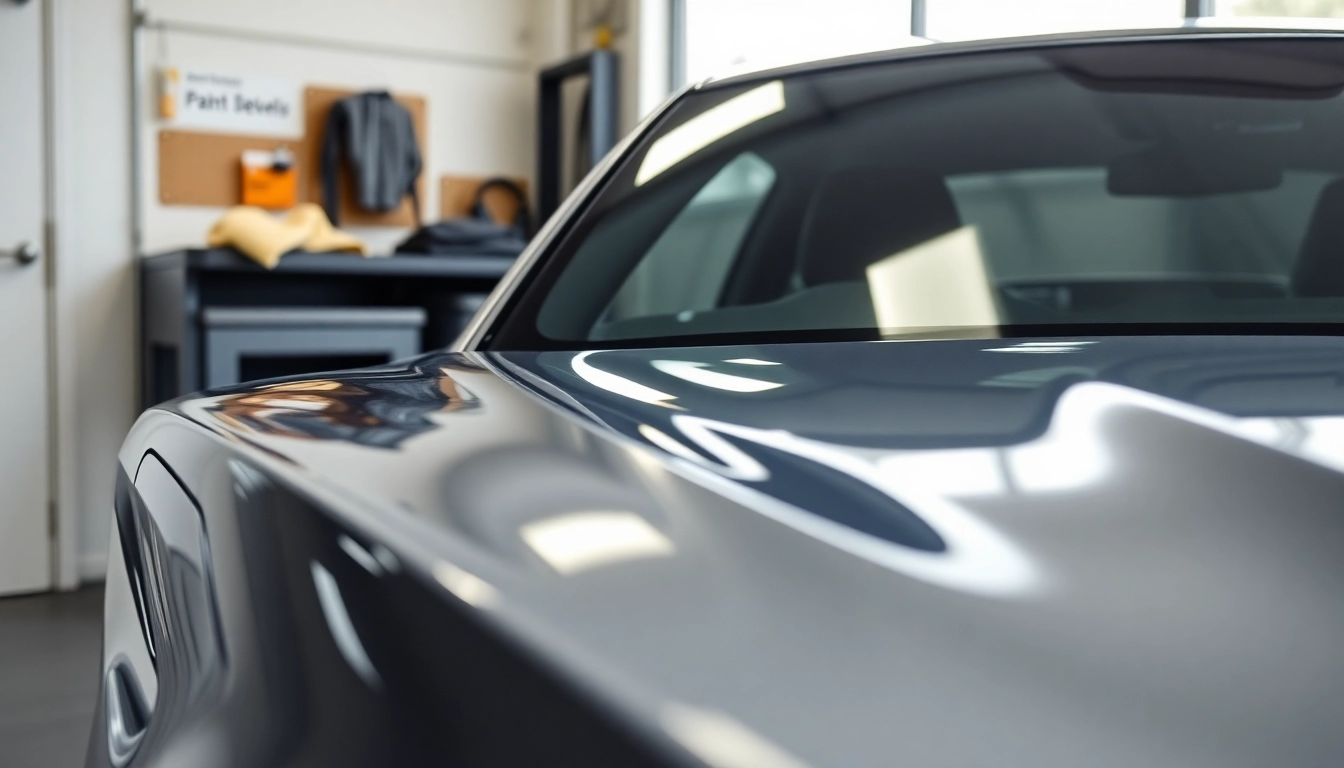
Paint Protection Film (PPF) is a type of thermoplastic urethane film applied to vehicles' painted surfaces. Its primary purpose is to provide a shield against scratches, chips, and other environmental debris that can mar the finish of your vehicle. The film is nearly invisible and can be applied to a wide range of areas including hoods, bumpers, side mirrors, and doors, offering an extensive layer of defense without sacrificing aesthetics.
Benefits of Using Paint Protection Film
The advantages of incorporating PPF into your vehicle maintenance regimen are numerous. Firstly, it significantly enhances the longevity of the vehicle's paint job, preserving its value over time. Additionally, PPF is self-healing, meaning minor scratches can disappear when exposed to heat. This feature contributes to a constantly fresh appearance. Another benefit is that it assists in resisting UV rays, which can fade the paint. Overall, investing in PPF reduces maintenance costs associated with paint repairs and touch-ups.
How Paint Protection Film Works
The functionality of PPF lies in its unique composition. Made from a strong yet flexible material, it adheres to the vehicle's surface and absorbs the impact from foreign objects. Its self-healing properties ensure that small abrasions will gradually disappear when the film heats up, either from the sun or engine heat. Hence, the film works not only as a barrier but as a means of preserving the paint beneath it in a pristine condition, making it a perfect solution for vehicle owners who want to maintain their car’s aesthetic while protecting it from damage.
Choosing the Right Paint Protection Film
Factors to Consider Before Installation
When selecting paint protection film, several factors should be taken into consideration. The first is the quality of the film itself; top-tier brands will generally offer better protection and durability. Additionally, consider the expected lifespan, as some films can last up to a decade with proper care. Another critical aspect is the installer’s expertise, as professional installation can affect the film's performance and appearance. Finally, evaluate the climate and environmental conditions where you operate your vehicle as these can influence the film’s longevity and effectiveness.
Different Types of Paint Protection Film
Various types of paint protection films exist in the market, each offering different features. Some of the common types include:
- Self-Healing Film: These films can recover from small scratches and abrasions through heat exposure.
- Clear Bra: Typically used on high-impact areas, it’s designed to offer strong protection without altering the car's appearance.
- Matte Finish Film: This variant can transform gloss finishes into matte ones while providing the same protective benefits.
Choosing the right type depends on your vehicle’s specific needs and personal preferences.
Which Film is Best for Your Vehicle?
The decision of which film is best for your vehicle often depends on a combination of factors including the type of vehicle, your driving habits, and your aesthetic preferences. If you own a high-performance or luxury vehicle, investing in a top-quality self-healing film is advisable. For everyday cars that undergo typical wear and tear, a clear bra may suffice. Conduct thorough research on local options and evaluate both the product ratings and installation services.
Installation Process of Paint Protection Film
Preparing Your Vehicle for Installation
Before the installation of paint protection film, extensive preparation is required. This process begins with a deep clean of the vehicle’s surface to remove any dirt, grime, or contaminants that could impair adhesion. Inspect the vehicle for any existing scratches or chips and have them repaired beforehand to ensure the film adheres correctly. Finally, working in a controlled environment away from sunlight and debris will help achieve an optimal installation result.
Step-by-Step Installation Guide
Installing paint protection film can be a meticulous process, but following these steps can make it manageable:
- Gather all necessary tools including a squeegee, knife, solution for lubricating the surface, and microfiber cloths.
- Cut the film to the appropriate sizes for the vehicle's specific areas being covered.
- Apply a slip solution on the vehicle's surface where the film will be positioned.
- Carefully place the film onto the lubricated area and use the squeegee to push out any air bubbles or excess solution.
- Trim any excess film and seal the edges properly to ensure longevity.
Proper care during each step will yield the best results.
Common Mistakes to Avoid
While installing paint protection film, be aware of common pitfalls, such as:
- Skipping surface preparation can lead to poor adhesion and compromised protection.
- Not using enough lubrication can lead to bubbles or creases in the film.
- Trimming too much film can result in unprotected areas; always leave a margin for error.
Being mindful of these mistakes can enhance the effectiveness of your installation.
Maintenance of Paint Protection Film
Cleaning and Caring for Your Film
Maintaining paint protection film is crucial for its longevity. Regular cleaning with a gentle pH-balanced soap and soft sponge is recommended to avoid damaging the film. Avoid using abrasive cleaners, waxes, or harsh chemicals that can degrade the material. After washing, dry the film gently with a microfiber towel to prevent water spots and maintain clarity.
Signs of Wear and Tear
Knowing the signs that indicate your PPF may need replacement is essential. Look for visible discoloration, yellowing, or peeling at the edges. Additionally, if the self-healing properties seem diminished, such as lasting marks from scratches, it might be time to consider replacement. Regular inspections can help identify these issues early on.
When to Replace Your Paint Protection Film
Typically, paint protection film can last anywhere from five to ten years depending on environmental exposure and maintenance. If you notice significant wear and tear or frequently have to buff out imperfections, it may be worth investing in a new film to ensure your vehicle remains well-protected. Proper maintenance, including cleaning and sealing, can extend the film’s lifespan.
Finding a Reliable Service for Paint Protection Film Near Me
Researching Local Providers
Finding reliable service for paint protection film near me begins with thorough research. Utilize online resources to skim through local listings and verify the expertise derived from terminations, experiences, and certifications of various providers. Checking for specialty in automotive detailing can also be beneficial.
Questions to Ask Your Installer
Engaging with potential installers is key in ensuring quality service. Consider asking questions such as:
- What brands of paint protection film do you offer?
- Can you provide examples of your previous installations?
- What is your warranty policy?
These inquiries can provide valuable insights into the credibility and skill of your chosen installer.
Reading Customer Reviews and Testimonials
Customer testimonials provide a glimpse into the service quality. Use platforms like Google Reviews or Yelp to read about other clients' experiences. Look for feedback on installation quality, customer service, and aftercare. Positive reviews tend to correlate with effective, reliable services, making detailed research imperative before making a selection.
FAQs About Paint Protection Film
1. How long does paint protection film last?
Paint protection film can last between 5 to 10 years with proper care and maintenance, depending on the quality of the film and environmental exposure.
2. Can I install paint protection film myself?
While DIY installation is possible, it requires precision and experience. Professional installation is recommended to ensure optimal performance and aesthetic appeal.
3. Does paint protection film change the color of my car?
No, high-quality paint protection film is designed to be transparent, maintaining the original color and finish of your vehicle.
4. Can I wash my car after installing paint protection film?
Yes, but it's advisable to wait at least 48 hours after installation before washing to ensure complete adhesion. Use gentle cleaning solutions for maintenance.
5. Is paint protection film worth the investment?
Absolutely! PPF protects your vehicle’s paint from chips, scratches, and UV damage, preserving value and appearance while reducing long-term maintenance costs.