Understanding Different Types of Flooring
Overview of Flooring Options
When it comes to flooring, homeowners are met with a myriad of choices, each presenting unique characteristics that contribute to both aesthetics and functionality. Popular types of flooring include hardwood, laminate, vinyl, tile, carpet, and bamboo, among others. Each type encompasses various designs, textures, and colors, catering to different lifestyle needs and preferences. Below, we delve deeper into the characteristics of each flooring type.
Pros and Cons of Each Type
Hardwood Flooring
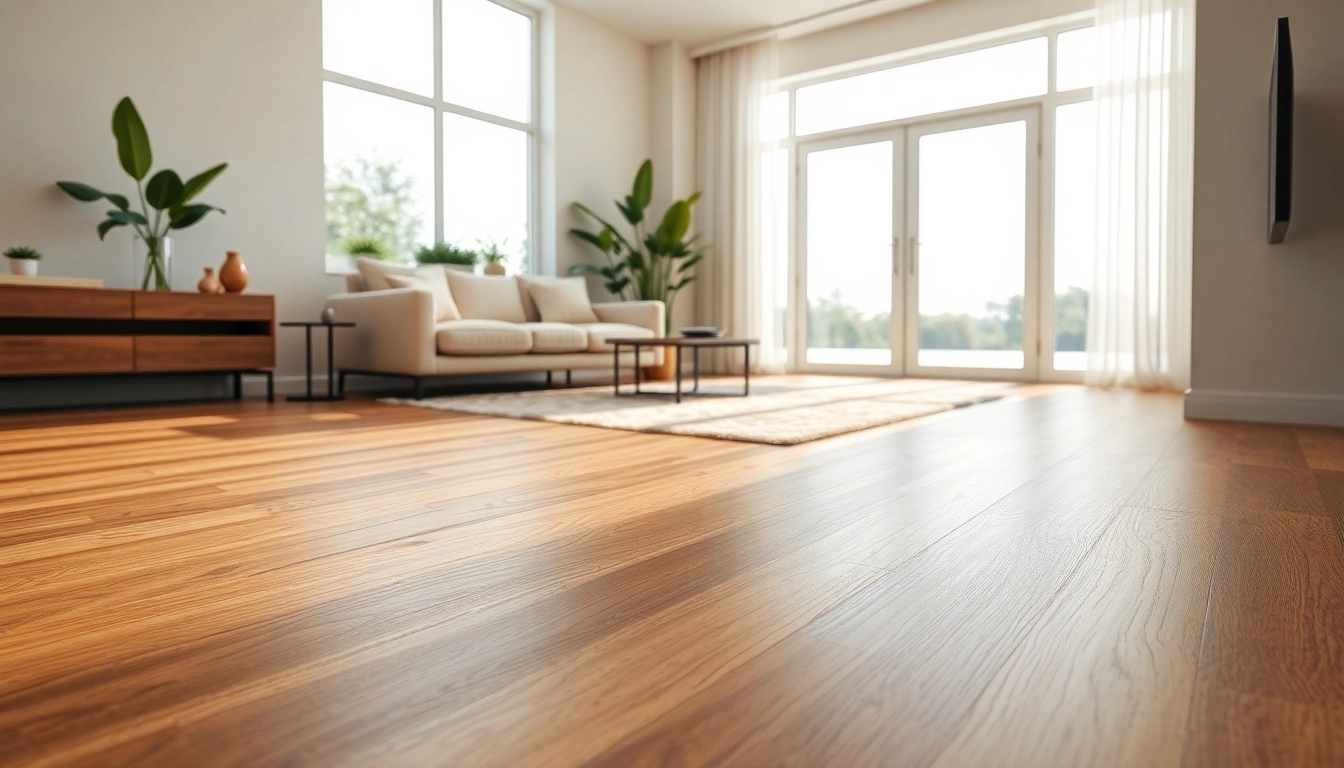
Hardwood flooring is celebrated for its natural beauty and durability. It offers a timeless appeal and can increase a home’s value.
- Pros: Long life span, easy to refinish, improves property value.
- Cons: Can be expensive, sensitive to moisture, requires regular maintenance.
Laminate Flooring
This budget-friendly option mimics hardwood or stone looks but is made from synthetic materials.
- Pros: Cost-effective, scratch and fade-resistant, easy to install.
- Cons: Less durable than hardwood, cannot be refinished, may feel less warm underfoot.
Vinyl Flooring
Vinyl is versatile and water-resistant, making it ideal for areas prone to spills.
- Pros: Water-resistant, budget-friendly, easy maintenance.
- Cons: Can be prone to scratching, may not feel as luxurious as other materials.
Tile Flooring
Tile offers an array of styles and designs, from ceramic to porcelain.
- Pros: Very durable, water-resistant, available in diverse designs.
- Cons: Cold underfoot, heavy, can crack if not installed properly.
Carpet Flooring
Carpets provide warmth and comfort, ideal for living rooms and bedrooms.
- Pros: Soft underfoot, insulating, available in many styles.
- Cons: Stains easily, requires regular cleaning, can harbor allergens.
Bamboo Flooring
Bamboo is an eco-friendly alternative known for its rapid growth and resilience.
- Pros: Sustainable, unique aesthetics, durable.
- Cons: Prone to scratching, limited color options, can warp in humidity.
Choosing the Right Flooring for Your Space
Selecting the right flooring requires considering various factors such as the room's purpose, anticipated foot traffic, and your personal style. For instance, bathrooms and kitchens benefit from water-resistant options like tile or vinyl, while living spaces can utilize hardwood or laminate for aesthetic appeal. Additionally, ensure to factor in your budget, desired maintenance level, and climate, as flooring can react differently in varying temperatures and humidity levels.
Installation Methods for Flooring
Professional Installation vs. DIY
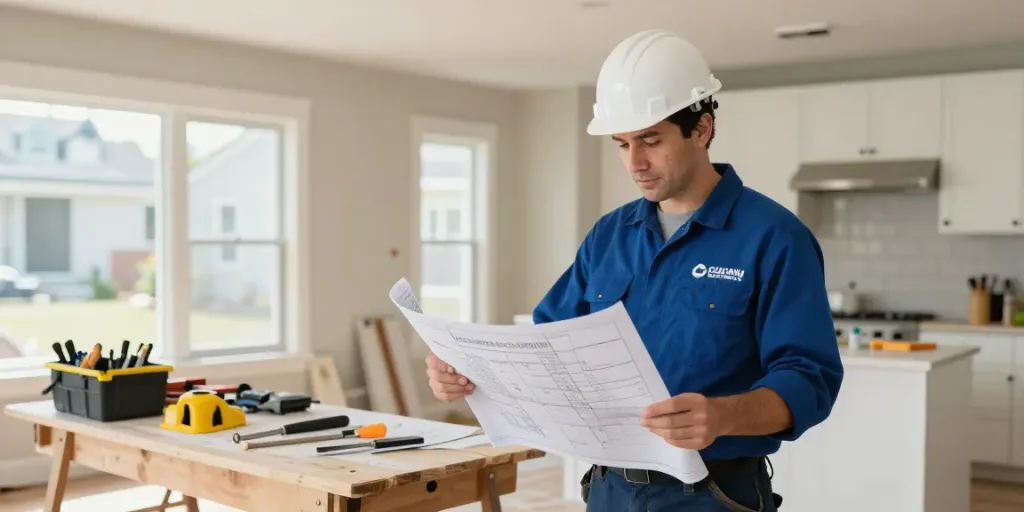
The decision between professional installation and a DIY approach largely depends on your skill level and comfort with tools. Hiring professionals can alleviate stress, ensuring proper installation and adherence to warranty guidelines. Conversely, opting for DIY can save costs and offer a satisfying accomplishment, provided you take your time to follow proper techniques and guidelines.
Tools Needed for Flooring Installation
For those opting for the DIY route, the right tools can make all the difference. Essential tools typically include:
- Measuring tape
- Utility knife
- Flooring adhesive (if required)
- Mallet
- Pull bar and taping block (for interlocking flooring)
- Level
Step-by-Step Guide to Installing Flooring
Installing flooring can vary depending on the material. Here's a basic guide for laminate and vinyl:
- Prepare the Subfloor: Ensure it’s clean, dry, and level.
- Gather Tools and Materials: Have all tools and flooring ready onsite.
- Measure and Cut: Cut the flooring planks to size as necessary.
- Install Underlayment: If needed, place underlayment for sound dampening and moisture barrier.
- Lay the Flooring: Begin from the longest wall and work your way out, clicking pieces together or adhering as specified.
- Install Trim and Finishing Touches: Reinstall baseboards or add quarter-round molding.
Caring for Your Flooring
Cleaning Tips for Different Flooring Types
Maintaining flooring cleanliness can prolong its lifespan.
Hardwood
Stick to a dust mop and occasional damp mopping with a hardwood cleaner.
Laminate
Use a vacuum (not beater bar) and a damp cloth or laminate cleaner.
Vinyl
Regular sweeping and wet mopping will keep it in great shape.
Tile
Use a soft brush and mild detergent; avoid harsh chemicals.
Carpet
Vacuum regularly and consider professional cleaning every 12-18 months.
Maintaining and Repairing Flooring
Regular maintenance can prevent major repairs. Ensure that moisture levels are regulated for hardwood and bamboo, and apply protective coatings as necessary. For quick fixes such as scratches or dents on hardwood or laminate, repairing kits are often available.
How to Prevent Common Flooring Problems
Preventive measures are key to keeping your flooring in pristine condition. Installing mats at entryways can reduce dirt and debris; using furniture pads prevents scratches; and ensuring your space has appropriate humidity can prevent warping in wood and laminate products.
Trends in Flooring Designs
Popular Styles in Flooring
Today’s trends lean heavily towards natural looking materials. Eco-conscious consumers appreciate the clean lines of minimalistic designs mixed with warmer, rustic accents. Multi-toned and patterned options are gaining popularity as they provide visual interest and unique charm.
Eco-Friendly Flooring Options
With the rise of sustainable living, eco-friendly flooring options are more sought after than ever. Bamboo and cork are notable choices for being renewable resources. Reclaimed wood flooring also appeals to eco-conscious homeowners by reducing waste and introducing character into spaces.
Color and Texture Trends for 2023
This year, expect to see rich jewel tones and deep natural hues take center stage, providing inviting warmth to interiors. In textures, the combination of matte finishes with glossier accents creates captivating contrasts and dimensions.
Investing in Quality Flooring
Understanding Flooring Costs
Many variables affect flooring costs, including material type, labor, and installation method. While DIY installation can save costs, complex materials often necessitate professional help. On average, costs can range from $2 to $20 per square foot, depending on the flooring type.
Long-term Benefits of Quality Flooring
Investing in quality flooring not only enhances your home’s aesthetic but also improves durability and resale value. Quality materials can withstand wear and tear more effectively, reducing the need for frequent replacements, ultimately saving you money in the long run.
Financing Options for Flooring Projects
Many homeowners opt for financing to alleviate the upfront costs associated with flooring installation. Options can include personal loans, credit lines, or special promotional financing offered by flooring retailers. Always compare terms to determine the best choice for your budget.
FAQs
What is the best flooring for high-traffic areas?
For high-traffic areas, consider materials like tile, laminate, or hardwood, as they can withstand wear and tear better than carpet.
How often should you clean your flooring?
Ideally, sweep or vacuum daily for high-use areas, and deep clean every month or as needed based on your flooring type.
Can I install flooring myself?
Yes, many homeowners successfully install flooring themselves, especially laminate or vinyl. Proper research and tools are essential for a smooth process.
How can I prevent scratches on wood flooring?
Place rugs or mats in high-traffic areas, and use furniture pads to minimize scratches when moving items.
Is eco-friendly flooring durable?
Yes, many eco-friendly options like bamboo and cork are durable, offering excellent wear resistance while being sustainable.