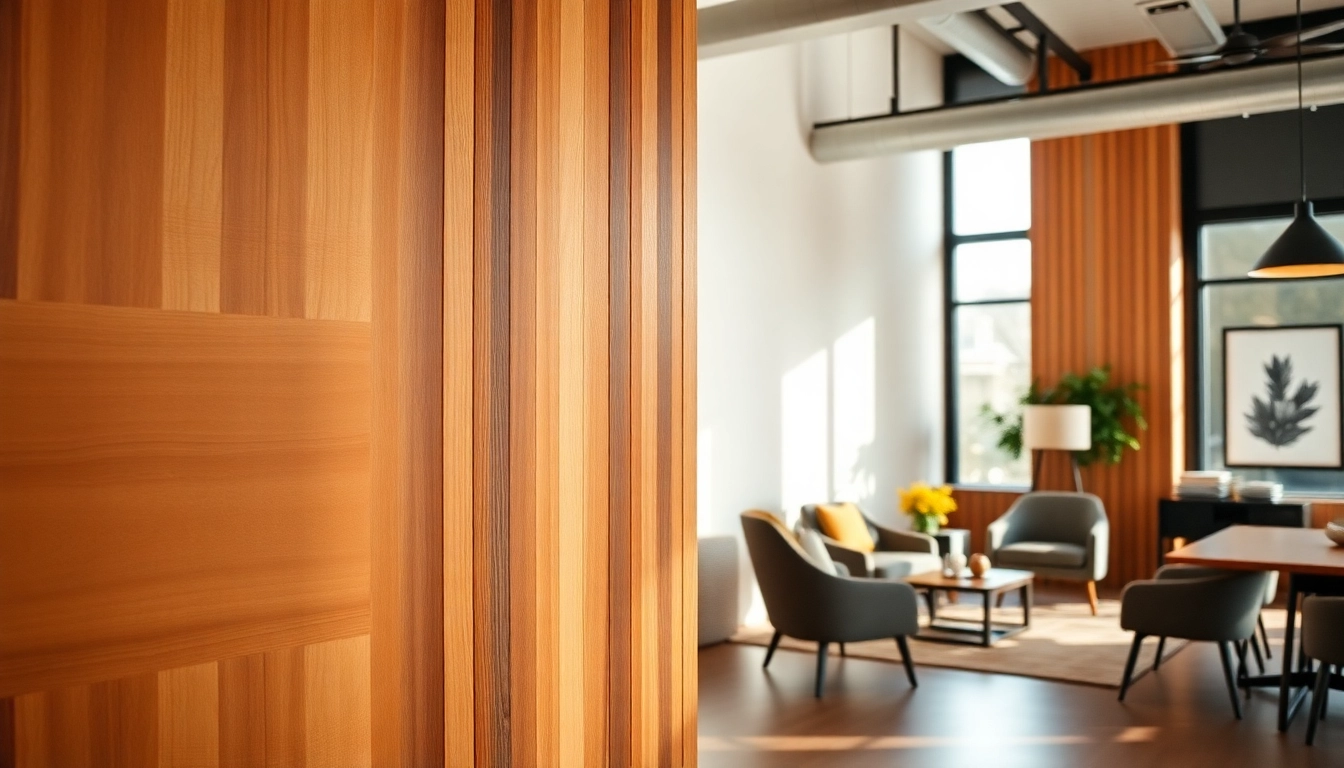
The Allure of Wood Slat Wall
The trend of integrating natural elements into home decor has gained immense popularity over recent years. Among these trends, the wood slat wall stands out as a stylish yet functional design choice. With the ability to enhance aesthetics, improve acoustics, and provide a modern touch, wood slat walls are becoming a must-have feature in both residential and commercial spaces.
What is a Wood Slat Wall?
A wood slat wall consists of thin, vertical or horizontal wooden strips (or slats) evenly spaced apart and attached to a wall. These slats can vary in thickness, width, and material, creating different visual effects. The installation can be done in various patterns, allowing for customization to fit specific design needs. Whether used for a feature wall or to cover an entire room, wood slat walls add warmth and texture to any space.
Types of Wood for Slat Walls
Choosing the right type of wood is essential for the longevity and look of the wood slat wall. Common choices include:
- Cedar: Known for its natural resistance to decay, cedar has a distinct aroma and beautiful grain patterns.
- Pine: A softwood that is cost-effective, pine offers a light color that can be stained or painted.
- Oak: A durable hardwood that brings a classic look, oak is available in various finishes ranging from light to dark.
- Walnut: Known for its rich, dark color and striking grain, walnut adds elegance and sophistication.
Benefits of Installing a Wood Slat Wall
Implementing a wood slat wall offers multiple advantages:
- Aesthetic Appeal: Wood adds a natural texture that can make a space feel warm and inviting.
- Acoustic Benefits: Slat designs can improve sound insulation, making them ideal for home theaters or recording studios.
- Customization: With varying colors, finishes, and patterns, wood slat walls can be tailored to fit any design style.
- Easy Installation: Many wood slat systems are designed for DIY installation, reducing labor costs.
Choosing the Right Wood Slat Wall Design
Modern Designs for Contemporary Spaces
For modern interiors, the design choices for wood slat walls can significantly influence the overall aesthetic. Sleek, minimalist lines are preferred, often employing lighter woods like white oak or birch. Consider a horizontal layout to widen the appearance of small rooms. Accompanying these slat walls with modern lighting can further enhance their presence.
Classic Wood Slat Wall Ideas
Classic designs often integrate rich, darker woods like mahogany or walnut, lending a more traditional feel. Vertical paneling in symmetrical arrangements provides an orderly look, adding character to dining areas or living spaces. Classic wood finishes with a glossy polish can create a refined atmosphere.
Combining Colors and Textures
A striking trend is the combination of different wood types or finishes in a single wall design. Mixing light and dark woods can create depth and visual interest. Use textured finishes on some slats, such as distressed or weathered wood, to contrast smooth panels, providing a captivating focal point that captures attention.
Installation Tips for Wood Slat Wall
Preparing Your Space for Installation
Before beginning the installation of a wood slat wall, it’s crucial to prepare the space adequately. Clear the area of any furniture and other items. Measure the wall dimensions and decide on the pattern you intend to use. It’s a good idea to sketch a plan to visualize the end result.
Step-by-Step Installation Process
- Gather Materials: Collect all necessary materials including wood slats, adhesive, nails, or screws.
- Create a Base Line: Use a level to draw a straight line to guide your first slat's placement.
- Install the First Row: Begin fastening the first row of slats, ensuring they are uniformly spaced.
- Continue the Installation: Work your way up or down the wall, maintaining the desired spacing as you go.
- Finishing Touches: Sand any rough edges, and apply a wood finish if desired.
Tools and Materials You Will Need
The essential tools for installing a wood slat wall include:
- Measuring tape
- Level
- Drill or hammer
- Saw (if cutting slats to size)
- Adhesive or fasteners
- Sandpaper or sanding block
Maintaining Your Wood Slat Wall
Cleaning and Care Guidelines
To keep your wood slat wall looking its best, regular cleaning is essential. Dust the slats with a soft cloth frequently and for deeper cleaning, use a damp cloth with a mild soap solution. Avoid using harsh chemicals that could damage the finish.
Repairing and Touching Up the Wood Slat Wall
In case of scratches or dings, wood filler can be applied to the affected areas, after which sanding the area smooth is recommended. For touch-ups, a matching stain or sealant can be reapplied to maintain uniformity.
Long-Term Maintenance Strategies
Conduct an annual inspection of your wood slat wall. Check for loose slats or damage. Reapplying finish every few years can help preserve its beauty and resilience against wear, especially in high-traffic areas.
Frequently Asked Questions About Wood Slat Wall
What is the best wood for slat walls?
Cedar is popular for its beauty, durability, and resistance to decay. Other choices include pine, oak, and walnut, each offering distinct looks.
What measurements should I consider for my wood slat wall?
Consider the room dimensions and desired aesthetic. Measure wall height and width to select panels or slats that complement the space effectively.
How do I ensure my wood slat wall is soundproof?
Choose acoustic panels specifically designed for sound absorption or add soundproofing materials behind the slats for enhanced acoustic quality.
Can I install a wood slat wall myself?
Yes, with basic carpentry skills and tools, many DIY enthusiasts can install a wood slat wall. However, intricate designs may require professional help.
Are wood slat walls suitable for exterior use?
Yes, but ensure you use treated or naturally resistant wood to withstand outdoor elements, maintaining aesthetics and durability.