Understanding the Plumbing Apprenticeship
What is a Plumbing Apprenticeship?
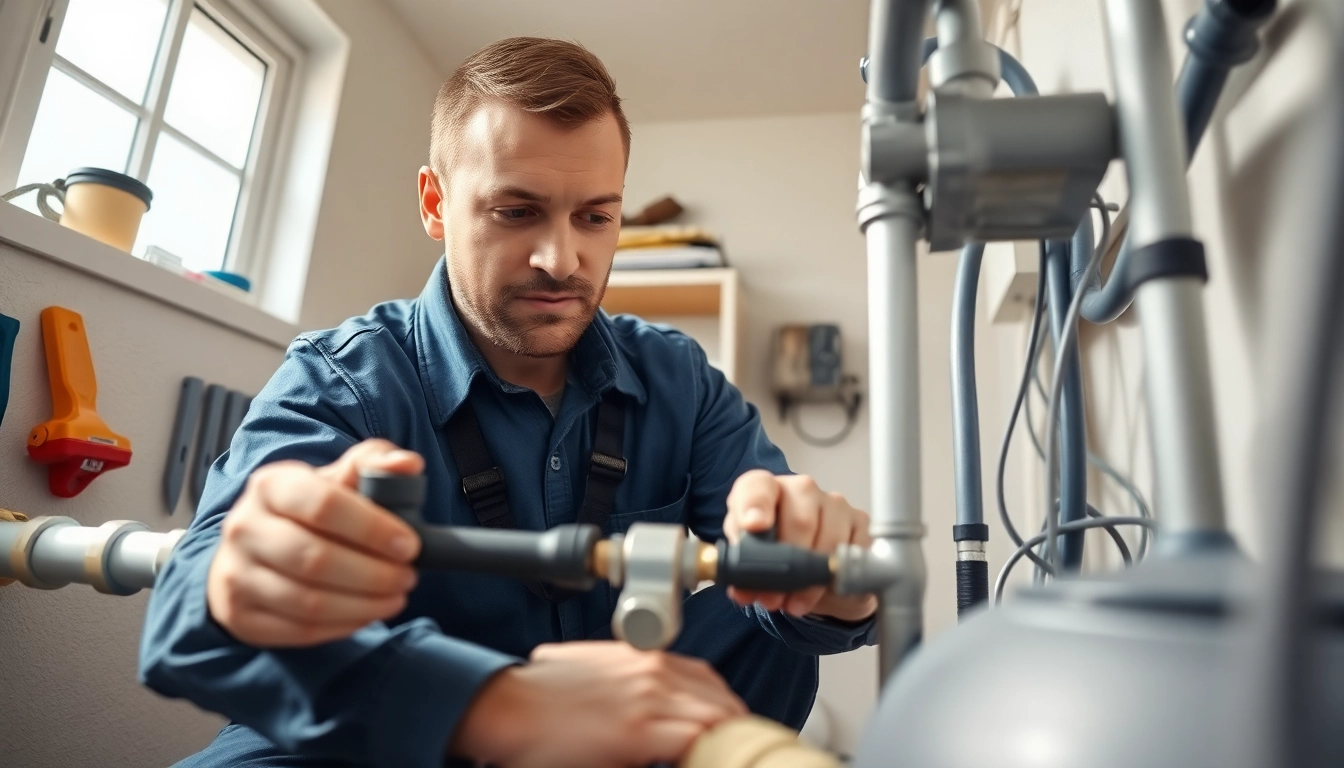
A plumbing apprenticeship is a structured program designed to offer hands-on training for individuals aspiring to become licensed plumbers. This program typically combines classroom instruction with practical experience, allowing apprentices to learn the essential skills required in the field. Throughout the apprenticeship, candidates work under the guidance of experienced plumbers, acquiring both technical and soft skills necessary for success in their future careers. By engaging in a plumbing apprenticeship, individuals not only learn about plumbing systems, codes, and safety protocols but also get the crucial work experience that employers value.
Benefits of Pursuing a Plumbing Apprenticeship
Engaging in a plumbing apprenticeship provides multiple advantages that can significantly impact a participant's career trajectory. Firstly, apprentices can earn while they learn, allowing them to support themselves financially during training. Additionally, apprenticeships often lead to certification and licensing, which are crucial for job opportunities in plumbing. Another significant benefit is the invaluable on-the-job experience; by working alongside seasoned professionals, apprentices gain insights into real-world challenges and best practices. Finally, completing a plumbing apprenticeship can facilitate networking opportunities, which may be essential for securing future employment. For those interested in learning more about the path ahead, a comprehensive overview of a plumbing apprenticeship can provide guidance on making informed decisions.
How to Choose the Right Plumbing Apprenticeship Program
Selecting the right plumbing apprenticeship program is a critical step in an aspiring plumber's career journey. Prospective apprentices should consider several factors, including the program's reputation, its duration, and the types of skills being taught. Researching available programs can help candidates find those that are accredited and recognized within the industry, ensuring that they receive high-quality training. Additionally, potential applicants should look for programs that offer a diverse range of experiences, including residential, commercial, and industrial plumbing, to broaden their skill sets. Lastly, accessibility and location are also essential considerations, as they can affect commuting and the overall feasibility of completing the program.
Key Skills Required for Plumbing Apprenticeship
Technical Skills for Aspiring Plumbers
Aspiring plumbers must develop a solid foundation of technical skills to succeed in their apprenticeship. These skills typically include understanding plumbing systems, reading blueprints, and familiarity with various tools and materials. An essential aspect of plumbing is knowledge of local building codes and regulations, as they govern how plumbing systems must be installed and maintained. Additionally, apprentices should become proficient in tasks such as soldering, pipe fitting, and maintaining drainage systems. The technical acumen acquired in the apprenticeship is critical for ensuring safe and effective plumbing work.
Soft Skills That Make a Successful Apprentice
While technical skills are imperative, soft skills also play a crucial role in a plumbing apprenticeship. Strong communication abilities enable apprentices to collaborate effectively with seasoned professionals, clients, and team members. Problem-solving skills are essential when addressing plumbing dilemmas and any unexpected challenges that may arise on-site. Additionally, time management and organizational skills help apprentices prioritize tasks efficiently, thus enhancing productivity. Reliability and professionalism are equally important, as they foster trust and respect in a field where reputation can significantly influence career advancement.
Safety Training in Plumbing Apprenticeship
Safety is a paramount concern in the plumbing industry. Therefore, plumbing apprenticeships prioritize extensive safety training to prepare candidates for the potential hazards they may encounter on the job. This training encompasses proper use of equipment, personal protective gear, and adherence to health and safety guidelines. Understanding risks related to working with high-pressure systems and hazardous materials is also crucial for preventing accidents or injuries. By mastering safety protocols, apprentices not only protect themselves but also ensure the safety of their colleagues and clients.
The Process of Becoming a Plumbing Apprentice
Steps to Apply for a Plumbing Apprenticeship
Applying for a plumbing apprenticeship involves several key steps. First, candidates should research and shortlist apprenticeship programs that align with their goals and preferences. Next, they typically need to meet certain prerequisites, which might include age, education, and physical abilities. Following this, applicants should prepare a resume and cover letter that highlight their interest in plumbing and relevant experiences. Many programs may require candidates to undergo interviews or entrance exams to assess their suitability. Once accepted, apprentices generally need to attend orientation sessions before commencing their training.
What to Expect During Training
The apprenticeship training period is a blend of theoretical learning and practical application. Typically, training involves attending classes that cover essential plumbing concepts, including systems theory, applicable laws, and material properties. Concurrently, apprentices gain hands-on experience by working alongside licensed plumbers in real-world settings. They can expect to engage in various tasks, from installations and repairs to troubleshooting and customer service. Moreover, apprentices will likely receive periodic evaluations to assess their progress and address areas that may require improvement. Overall, the training period is a dynamic and enriching experience that equips apprentices for eventual success in the plumbing industry.
Networking Opportunities in the Plumbing Industry
Networking is a valuable aspect of the plumbing apprenticeship, as it can open doors to future job prospects and collaborations. Apprentices have the chance to connect with industry professionals, suppliers, and fellow trainees, creating a robust support community. Many associations and organizations offer events, workshops, and trade shows aimed at bringing together plumbing professionals, which can further enhance networking opportunities. Building relationships with mentors and peers during the apprenticeship can provide guidance, support, and referrals when apprentices begin their job search upon completion of their training.
Challenges Faced by Plumbing Apprentices
Common Obstacles in the Learning Process
During their training, plumbing apprentices may encounter various challenges. One significant hurdle is the steep learning curve associated with mastering complex plumbing systems and regulations. Additionally, some apprentices may struggle to balance their training with personal responsibilities, leading to feelings of overwhelm. Physical demands of the job, including lifting heavy materials and working in cramped spaces, can also be taxing. To mitigate these challenges, apprentices should maintain open communication with their trainers and seek continuous feedback to enhance their learning experience.
Managing Stress and Work-Life Balance
Balancing the demands of an apprenticeship with personal life can present formidable challenges. Apprentices often work long hours and may feel stressed due to the responsibilities they carry. To maintain a healthy work-life balance, effective time management strategies are essential. Prioritizing tasks, setting realistic goals, and ensuring time for personal care and leisure can help mitigate stress. Establishing a strong support system comprised of mentors, family, and peers who understand the pressures of training can also bolster an apprentice's mental resilience.
Seeking Support and Mentorship
Support and mentorship are critical for navigating challenges during a plumbing apprenticeship. Seeking guidance from experienced professionals can provide apprentices with insights, technical knowledge, and career advice. Many apprenticeship programs encourage the formation of mentor-apprentice relationships, emphasizing the importance of learning from those with more experience. Additionally, apprentices can benefit from peer support, discussing challenges and sharing solutions with fellow trainees. Engaging in such networks can significantly enhance the overall learning experience.
Career Prospects After a Plumbing Apprenticeship
Job Opportunities Available to Graduates
Graduates of plumbing apprenticeships have a wide array of job opportunities available to them. Many choose to work as journeyman plumbers, performing installations and repairs in residential or commercial settings. Other career paths may include roles in plumbing maintenance, consulting, or property management. Additionally, some may elect to specialize in niches such as gas fitting, pipefitting, or hydraulic systems. The skills and experience gained during apprenticeship training equip graduates to thrive in various roles within the plumbing sector.
Potential Salary Expectations
The earning potential for plumbing graduates can be quite lucrative, especially with experience. Entry-level positions may offer a modest salary, but as apprentices gain skills and become licensed, their earning potential can substantially increase. Typically, plumbers can command competitive hourly rates or salaries, which can vary based on geographical location, specialization, and the complexity of the projects they handle. Over time, dedicated plumbers may have opportunities to increase their income further through certifications and by developing their own businesses.
Continuing Education and Advancement Paths
Plumbing is a field that values continuous learning and professional development. After completing their apprenticeship, many plumbers choose to pursue additional certifications or specialties to enhance their marketability. Continuing education courses often cover emerging technologies and updated regulations that are relevant to the plumbing industry. Advancement paths can lead to supervisory roles, teaching positions, or even owning a plumbing business. By investing in their education and career growth, plumbers can expand their career opportunities and achieve long-term success in the field.
Frequently Asked Questions about Plumbing Apprenticeships
What are the qualifications needed for a plumbing apprenticeship?
Typically, candidates must be at least 18 years old, have a high school diploma or equivalent, and be physically fit. Some programs may require relevant coursework in mathematics and science.
How long does a plumbing apprenticeship usually last?
A plumbing apprenticeship generally lasts between 3 to 5 years, depending on the program. Duration can vary based on the training schedule and state requirements.
Can I work while in a plumbing apprenticeship?
Yes, many apprentices work simultaneously while undergoing training. Apprenticeships are designed to accommodate a combination of hands-on work and classroom learning.
What are the costs associated with a plumbing apprenticeship?
Costs can vary significantly. Some programs may charge tuition, while others may cover costs through employer sponsorship. Tools, uniforms, and books can also incur additional expenses.
Do I need to be certified after my apprenticeship?
Yes, in most areas, completing an apprenticeship program is a prerequisite for obtaining a plumbing license or certification, which is essential for legally working as a plumber.