Comprehensive Guide to Optimal Steel Fabrication Shop Practices

Understanding Steel Fabrication Shop Basics
What is a Steel Fabrication Shop?
A steel fabrication shop is a facility where raw steel is transformed into finished products through a series of processes such as cutting, bending, and assembling. These shops cater to various industries, such as construction, automotive, aerospace, and energy, providing essential components and structures that are crucial for manufacturing and building purposes. Steel fabrication shops can vary significantly in size, ranging from small independent businesses to large industrial units that serve large-scale production demands.
Types of Fabrication Processes in Steel Fabrication Shop
There are several key processes involved in steel fabrication, each tailored to meet specific product requirements:
- Cutting: This is the initial step where raw steel materials such as sheets, plates, and beams are cut to the required dimensions. Various cutting methods are employed, including shearing, sawing, and torch cutting.
- Bending: Once the steel pieces are cut, they may be bent or shaped to meet design specifications. This process can involve the use of press brakes or roll bending machines.
- Assembling: After individual pieces are prepared, they must be assembled into larger structures. This usually involves welding or bolting components together to create the finished product.
- Finishing: The final stage of the fabrication process may include surface finishing techniques such as painting, galvanizing, or powder coating to protect the steel from corrosion and improve its aesthetic appeal.
Safety Standards in a Steel Fabrication Shop
Safety is paramount in any steel fabrication shop. Fabricators must adhere to strict safety guidelines to prevent accidents and injuries. Key safety measures include:
- Providing personal protective equipment (PPE) such as helmets, gloves, goggles, and hearing protection.
- Implementing regular training sessions for employees on safety procedures and equipment usage.
- Establishing clear emergency protocols and maintaining readily accessible first-aid kits.
- Regularly conducting safety audits and inspections to ensure compliance with Occupational Safety and Health Administration (OSHA) standards.
Essential Equipment for a Steel Fabrication Shop
Key Machinery in Steel Fabrication Shop
To operate efficiently, a steel fabrication shop requires a suite of specialized machinery. Some of the essential equipment includes:
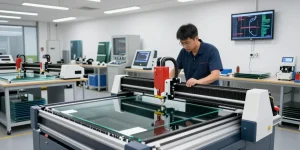
- Laser Cutters: These machines use focused lasers to cut through steel with high precision, allowing for intricate designs and clean edges.
- Welding Machines: Whether using MIG, TIG, or stick welding techniques, these machines are crucial for joining metal components.
- Press Brakes: This equipment is essential for bending sheet metal to form various angles and shapes.
- Plasma Cutters: Plasma cutting allows for faster cutting of thick materials, making it ideal for structural work.
- Shears: Mechanical shears are used to cut large sheets of steel quickly and efficiently.
Tooling Requirements for Efficient Operations
Beyond machinery, the right tooling is critical for ensuring efficient operations. This includes jigs, clamps, and fixtures that support the workpieces during cutting, bending, and assembly. Investing in quality tools reduces setup time and improves the accuracy of the fabrication process, thereby increasing productivity.
Innovations in Steel Fabrication Shop Technology
Innovation plays a vital role in advancing the capabilities of steel fabrication shops. Recent technological advancements include:
- Automation: The integration of robotics and automated systems helps streamline repetitive tasks, enhancing productivity and reducing labor costs.
- Computer-Aided Design (CAD) and Computer-Aided Manufacturing (CAM): These tools allow for more efficient design and production processes, enabling fabricators to create complex geometries with ease.
- 3D Printing: Emerging technologies like metal 3D printing enable the creation of complex parts that would be difficult or impossible to manufacture using traditional methods.
Best Practices for Running a Steel Fabrication Shop
Project Management Techniques for Steel Fabrication Shop
Effective project management is essential for the success of any steel fabrication shop. Implementing structured methodologies like Lean and Six Sigma helps in reducing waste and improving efficiency. Key project management techniques include:
- Establishing clear project goals and deliverables.
- Creating a detailed project timeline and budget.
- Utilizing project management software to track progress, manage resources, and communicate with team members.
Quality Control Measures in Steel Fabrication Shop
Quality control is vital in maintaining standards and ensuring customer satisfaction. Effective quality control measures include:
- Regular inspection of raw materials and finished products to meet industry standards.
- Implementing a quality management system (QMS) that includes documentation of processes, inspections, and corrective actions.
- Training staff on quality assurance principles and practices.
Workforce Management in a Steel Fabrication Shop
Managing a skilled workforce effectively is crucial for any steel fabrication shop. Strategies for successful workforce management include:
- Providing ongoing training and professional development opportunities.
- Fostering open communication and teamwork among staff members.
- Implementing incentive programs to maintain high morale and productivity.
Common Challenges in Steel Fabrication Shop Operations
Cost Management in Steel Fabrication Shop
Cost management is a significant challenge in the competitive landscape of steel fabrication. To effectively manage costs, shops can:
- Conduct regular cost analysis to identify areas for improvement.
- Negotiate better terms with suppliers and seek bulk pricing agreements.
- Invest in technology to reduce material waste and increase efficiency.
Navigating Supply Chain Issues in Steel Fabrication Shop
Supply chain disruptions can significantly impact operations in a steel fabrication shop. This can be addressed by:
- Diversifying suppliers to reduce dependency on a single source.
- Establishing strong relationships with logistics providers to ensure timely material delivery.
- Utilizing inventory management software to maintain optimal stock levels and reduce excess inventory.
Meeting Compliance Requirements in a Steel Fabrication Shop
Compliance with local, state, and federal regulations is a critical component of running a successful steel fabrication shop. Essential steps include:
- Staying informed about updates to safety and environmental regulations.
- Implementing necessary changes to comply with industry standards.
- Conducting regular audits to ensure that all practices are compliant.
The Future of Steel Fabrication Shop Industry
Sustainability Trends in Steel Fabrication Shop
Sustainability has become increasingly important in the steel fabrication industry. Key trends include:
- Adopting eco-friendly materials and recycling steel to minimize waste.
- Utilizing energy-efficient machines and processes to reduce the carbon footprint.
- Seeking certifications for sustainability to appeal to environmentally-conscious clients.
Impact of Automation on Steel Fabrication Shop
As automation continues to advance, its impact on steel fabrication shops is profound. Benefits of automated systems include:
- Increased production rates and reduced lead times.
- Improved precision and consistency in fabrication processes.
- Reduced labor costs and minimized human error.
Preparing Your Steel Fabrication Shop for Industry Changes
To stay competitive, steel fabrication shops must proactively prepare for upcoming industry changes. This includes:
- Investing in employee training for new technologies and practices.
- Regularly updating equipment and processes to align with industry advancements.
- Monitoring market trends and adapting business strategies to meet evolving customer needs.