Essential Tips for Fly Fishing for Beginners: Get Started Today
Understanding Fly Fishing Basics
What is Fly Fishing?
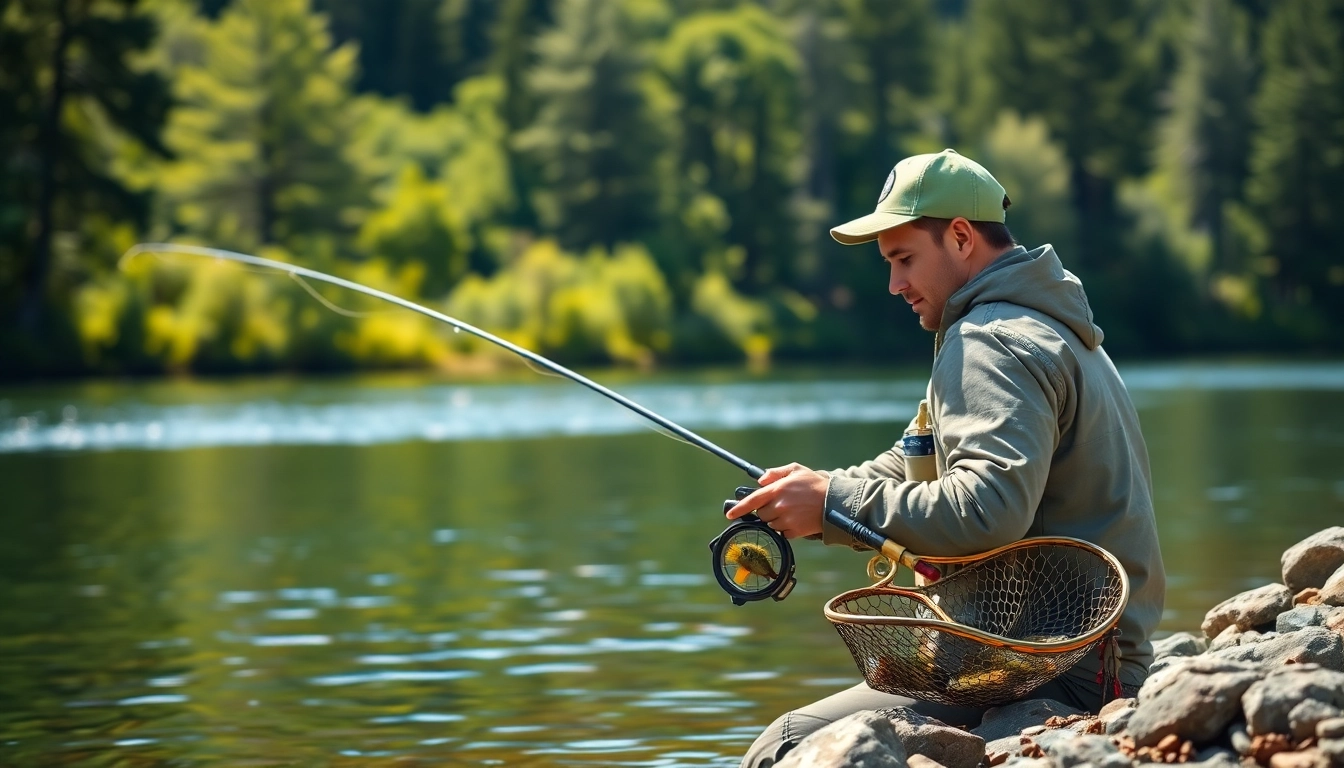
Fly fishing is a unique form of fishing that uses artificial flies to catch fish, distinct from other fishing methods. Rather than relying on bait, which is commonly used in spin or bait fishing, fly fishing utilizes lightweight lures that imitate the natural food sources of fish. This method involves an intricate casting technique, as the angler must present their fly delicately onto the water’s surface, simulating an insect or other prey species that fish find enticing. For those interested in starting this rewarding hobby, understanding the fundamentals is crucial. Engaging in fly fishing for beginners can result in countless rewarding experiences in nature.
Essential Gear for Fly Fishing Beginners
Equipping yourself with the right gear is vital for a successful fly fishing experience. Here’s a breakdown of the essential components:
- Fly Rod: A good-quality fly rod that suits your fishing application is fundamental. Options range from 7 to 10 feet depending on the target fish and fishing conditions.
- Fly Reel: This is crucial for line management. Consider reels that provide smooth drag systems and are easy to handle.
- Fly Line: The importance of fly line cannot be overstated. Choose a line that matches your rod’s weight and the fishing conditions. Weight forward lines are popular for beginners.
- Leaders and Tippets: These lengths of line connect your fly to the fly line, allowing for stealthier presentations.
- Flies: A variety of flies is necessary. Start with basic dry flies, nymphs, and streamers that simulate local insects.
- Accessories: Tools like forceps, a line cutter, and a fly box for organization are also significant.
Understanding Different Fishing Techniques
The art of fly fishing encompasses several techniques, each suited to different fishing scenarios and types of water. Here are the primary methods:
- Dry Fly Fishing: This technique uses floating flies on the water’s surface, mimicking insects that fish may eat.
- Nymphing: Sub-surface techniques involve using flies that imitate immature insect forms. This is effective in various conditions.
- Streamers: Large flies that simulate baitfish or larger prey are effective for targeting aggressive fish, especially in moving water.
Choosing the Right Location
Best Fly Fishing Spots for Beginners
Choosing the right location is fundamental in fly fishing. Not all waters are suitable for beginners, here are some ideal spots:
- Local Ponds and Lakes: These often have accessible shorelines and allow beginners to practice casting.
- Gentle Streams: Flowing water with less complicated currents is excellent for learning techniques.
- Public Parks: Many city parks have stocked ponds that provide a friendly environment for beginners.
Seasonal Considerations in Fly Fishing
Understanding seasonal changes is vital for success in fly fishing. Different fish species are more active during specific times of the year:
- Spring: A prime time for fly fishing as many insects begin to hatch, leading fish to feed more actively.
- Summer: Warmer water temperatures can bring fish closer to the surface, making dry fly fishing very effective.
- Fall: Fish prepare for winter, feeding aggressively on insects and bait, making it a great time to fish.
- Winter: Though challenging, some species become more active due to lower competition for food.
Local Regulations and Best Practices
Before you hit the water, be aware of the local fishing regulations. These regulations ensure sustainable fishing practices and protect local ecosystems. Key points to consider:
- Check for licensing requirements.
- Adhere to size and bag limits for specific species.
- Know the specific season for different fish species.
- Respect protected areas and adhere to any regional rules.
Perfecting Your Technique
Basic Casting Techniques for Fly Fishing Beginners
Mastering the cast is the foundation of successful fly fishing. Here’s how to practice the essential casting techniques:
- Overhead Cast: A straightforward cast where the rod is raised behind, then flicked forward to deliver the fly.
- Roll Cast: Allows the fly to be presented without backcasting. Useful in tight spaces.
- Sidearm Cast: Involves casting the fly to the side, ideal for low overhead obstacles.
Reading the Water: Finding Fish
Understanding the water where you fish will greatly improve your success rate. Look for:
- Areas where currents intersect, creating eddies and slack water.
- Shaded spots, where fish seek refuge from the sun.
- Structurally diverse areas, like rocks and fallen logs, where fish like to hide.
Tips for Bait and Flies Selection
Your choice of flies significantly influences catch rates. Follow these guidelines to select the right flies:
- Match the hatch: Observe local insect activity and choose imitations accordingly.
- Consider water clarity: In murky water, select larger, brighter flies to make them more visible.
- Keep an assortment: Carry a variety of flies to adapt to different fish behaviors and environments.
Safety and Conservation
Essential Safety Tips for Fly Fishing
Safety should always be a priority on your fly fishing trips. Here are some essential tips:
- Wear a personal flotation device (PFD) when fishing from a boat or in deeper waters.
- Dress appropriately for changing weather conditions.
- Stay hydrated and carry snacks for energy during long outings.
- Inform someone of your fishing plans and expected return time.
Practicing Catch and Release
Catch and release practices are vital for maintaining healthy fish populations. Follow these guidelines:
- Handle fish carefully; wet your hands before touching them to avoid removing protective slime.
- Use barbless hooks to minimize injury.
- Limit the time a fish is out of water. If possible, keep them submerged while removing the hook.
Understanding Local Wildlife and Ecosystems
Every fly fisherman must respect local wildlife and ecosystems. Here’s how to practice eco-friendly fishing:
- Follow local conservation guidelines, and be aware of endangered species.
- Avoid littering—pack out what you bring in.
- Practice responsible water use and limit disturbances to nesting areas.
Joining the Fly Fishing Community
Finding Local Clubs and Groups
Connecting with fellow anglers enriches the experience. Benefits include shared knowledge and new fishing opportunities. Here are ways to join:
- Search for local fly fishing clubs through social media and community boards.
- Attend meetings to engage with experienced anglers and learn valuable tips.
- Participate in community clean-up days to earn respect and camaraderie.
Attending Workshops and Classes
Many organizations offer workshops and classes aimed at beginners. These can provide invaluable hands-on experience. Look for:
- Beginner casting classes, focusing on essential casting techniques.
- Workshops on fly tying to enhance your skills and creativity.
- Environmental workshops focused on conservation practices within fishing.
Online Resources and Forums for Fly Fishing Beginners
The internet is a treasure trove of knowledge. Several online platforms offer community support, tutorial videos, and expert advice:
- Engage with fishing forums to ask questions and learn from seasoned anglers.
- Utilize dedicated YouTube channels for casting demonstrations and gear reviews.
- Follow blogs and social media pages dedicated to fly fishing for updates and tips.
Frequently Asked Questions
1. What is the best fly rod for beginners?
A 9-foot, 5-weight fly rod is often recommended for beginners due to its versatility across various fishing environments.
2. How do I choose the right flies?
Consider local insect hatches and choose flies that mimic those. Start with a basic selection of dry flies and nymphs.
3. Do I need a fishing license to fly fish?
Yes, most locations require a fishing license. Check local regulations for specific rules and fees before heading out.
4. Is fly fishing difficult to learn?
While mastering the techniques may take practice, many beginners find fly fishing to be an enjoyable challenge rather than overly difficult.
5. Can I fly fish in freshwater and saltwater?
Yes, fly fishing can be done in both environments. Freshwater fishing is common for beginners, while saltwater offers different opportunities.