What is Crawl Space Restoration?
Definition and Importance
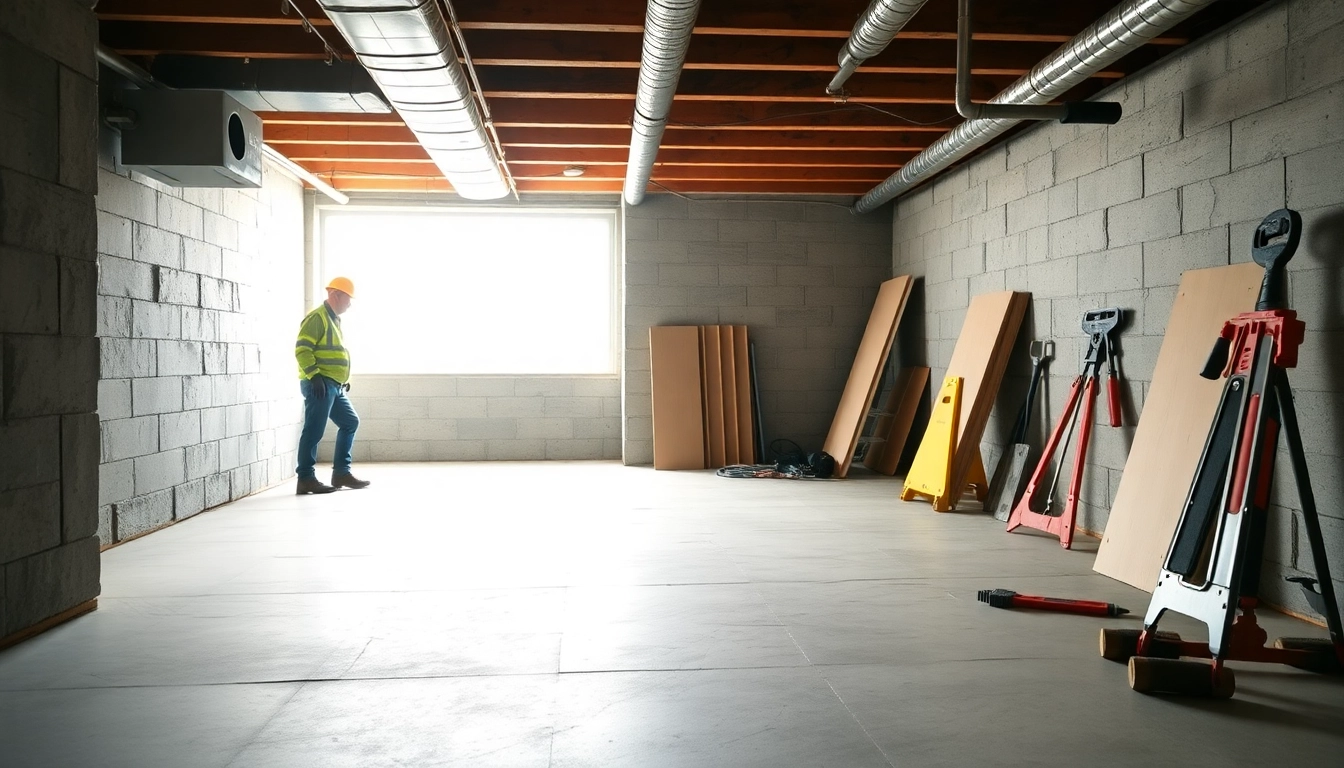
Crawl space restoration is a comprehensive approach to addressing and reversing damage and deterioration in a home’s crawl space area. These spaces, typically found between the ground and the first floor of a home, serve crucial functions such as supporting the house structure and providing insulation and ventilation. However, due to environmental factors and neglect, they can become problematic, leading to a host of issues including mold growth, pest infestations, and structure instability. Therefore, the importance of crawl space restoration cannot be overstated, as it ensures the safety and longevity of the home, contributing both to the health of its inhabitants and to the property value. For detailed insights into this subject, refer to our guide on Crawl Space Restoration.
Common Causes of Crawl Space Issues
Several factors can lead to crawl space issues, including:
- Moisture accumulation: Rainwater, groundwater, and humidity can create damp conditions conducive to mold and mildew growth.
- Pests: Rodents and insects can invade crawl spaces, causing damage and contaminating the area.
- Soil settling: Over time, the soil beneath a house can settle, leading to structural issues.
- Improper drainage: Without appropriate drainage systems, water can pool and seep into crawl spaces.
- Neglect: Regular maintenance is often overlooked, allowing minor issues to escalate.
Impact on Home Health
The ramifications of having an improperly maintained crawl space extend beyond structural damage. It can negatively affect air quality within the home due to the movement of air from the crawl space into living areas. This can lead to respiratory issues and exacerbate allergies or asthma. Moreover, the prolonged presence of mold can cause serious health problems, especially for vulnerable populations. Thus, addressing crawl space issues through restoration is critical to ensuring a healthy living environment.
Essential Steps in Crawl Space Restoration
Inspection and Assessment
The first step in crawl space restoration involves a thorough inspection and assessment of the area to identify the extent of the issues. This includes checking for signs of moisture, mold, rot, and structural damage. Professional inspectors often use specialized equipment, such as moisture meters and thermal imaging cameras, to detect hidden problems. Documenting these findings is essential for planning a restoration strategy and determining necessary interventions.
Cleaning and Disinfection
Once the inspection is complete, cleaning and disinfecting the crawl space is vital. This entails removing any debris, old insulation, or remnants of previous infestations. The area must then be treated with suitable antifungal and antimicrobial solutions to eliminate mold spores and prevent future growth. Proper Personal Protective Equipment (PPE) should be worn during this process to safeguard against harmful pathogens.
Moisture Control Measures
Implementing moisture control is critical to successful crawl space restoration. This may involve installing a dehumidifier, enhancing ventilation, and ensuring proper drainage away from the foundation. In some cases, it may be necessary to regrade the landscape to direct water away from the home. Installing a vapor barrier can also help prevent moisture from seeping through the ground, safeguarding the crawl space from damp conditions.
Choosing the Right Materials for Crawl Space Restoration
Insulation Options
When selecting insulation for crawl space restoration, homeowners have multiple options to consider. Fiberglass batts, spray foam insulation, and rigid foam boards are common materials. Each type has its benefits; for instance, spray foam provides a superior air seal, while fiberglass batts are cost-effective and easy to install. The choice should depend on specific moisture levels, budget constraints, and desired energy efficiency outcomes.
Vapor Barriers
A vapor barrier is essential in protecting a crawl space from moisture intrusion. Typically made from polyethylene, these barriers are placed directly on the soil and secured to the walls. Choosing a high-quality vapor barrier that is puncture-resistant and thick enough (at least 6mm) is vital. An adequate vapor barrier can dramatically reduce humidity levels, contributing to a healthier crawl space environment.
Drainage Solutions
Effective drainage solutions are necessary to channel water away from the crawl space. Common practices include trench drainage systems, sump pumps, and grading methods to ensure adequate water runoff. Installing French drains is also an excellent way to keep the crawl space dry, particularly in areas prone to flooding or water accumulation. Continuous inspection and maintenance of these drainage systems are crucial for long-term effectiveness.
Maintenance Tips for a Healthy Crawl Space
Regular Inspections
Regular inspections are key to maintaining a healthy crawl space. Homeowners should check their crawl space at least once a year or after heavy rainfall. During inspections, look for signs of excess moisture, pest activity, and structural damage. Identifying problems early can prevent costly repairs down the line and maintain a safe environment for the entire home.
Humidity Control Techniques
Implementing humidity control techniques can significantly enhance the crawl space’s condition. Using dehumidifiers helps reduce moisture levels, while ensuring adequate ventilation prevents stale air and encourages airflow. Additionally, sealing any gaps or cracks in the foundation will help prevent outside air and moisture from entering the crawl space.
Dealing with Pests
Dealing with pest infestations in the crawl space requires both prevention and intervention strategies. Regular checks can help identify signs of infestations early. Homeowners can take measures such as sealing entry points and storing food securely. For established infestations, consulting pest control professionals is often the safest and most effective option.
Frequently Asked Questions About Crawl Space Restoration
How long does crawl space restoration take?
The duration of crawl space restoration varies based on the extent of damage but typically ranges from a few days to a week. Comprehensive assessments and repairs may extend this timeline.
Is crawl space restoration worth the investment?
Yes, crawl space restoration is a wise investment that can significantly improve your home’s structural integrity and indoor air quality, contributing to long-term savings on repairs and energy bills.
What are the signs I need crawl space restoration?
Signs include excessive moisture, mold growth, musty odors, pest activity, and structural irregularities, such as sagging floors or cracks in walls.
Can I perform crawl space restoration myself?
While some tasks can be DIY, professional assessment and intervention are often recommended for tasks requiring specialized knowledge or equipment to ensure safety and effectiveness.
How often should I check my crawl space?
It is advisable to inspect your crawl space at least once a year or after heavy rains. More frequent checks may be necessary depending on local humidity and weather conditions.
About the Author