The Allure of Sacramento Wineries
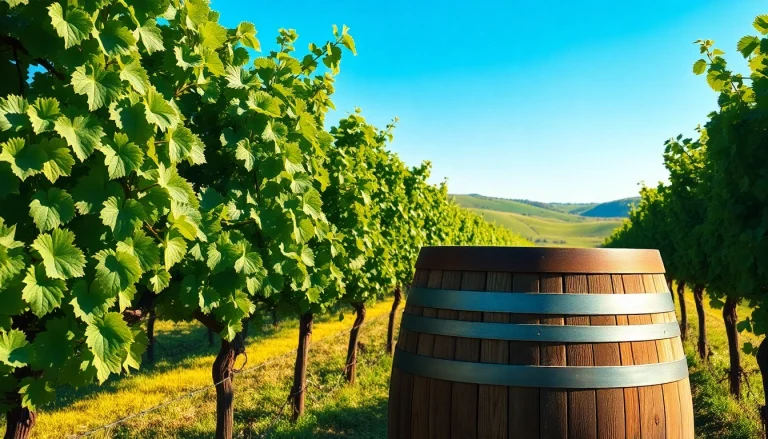
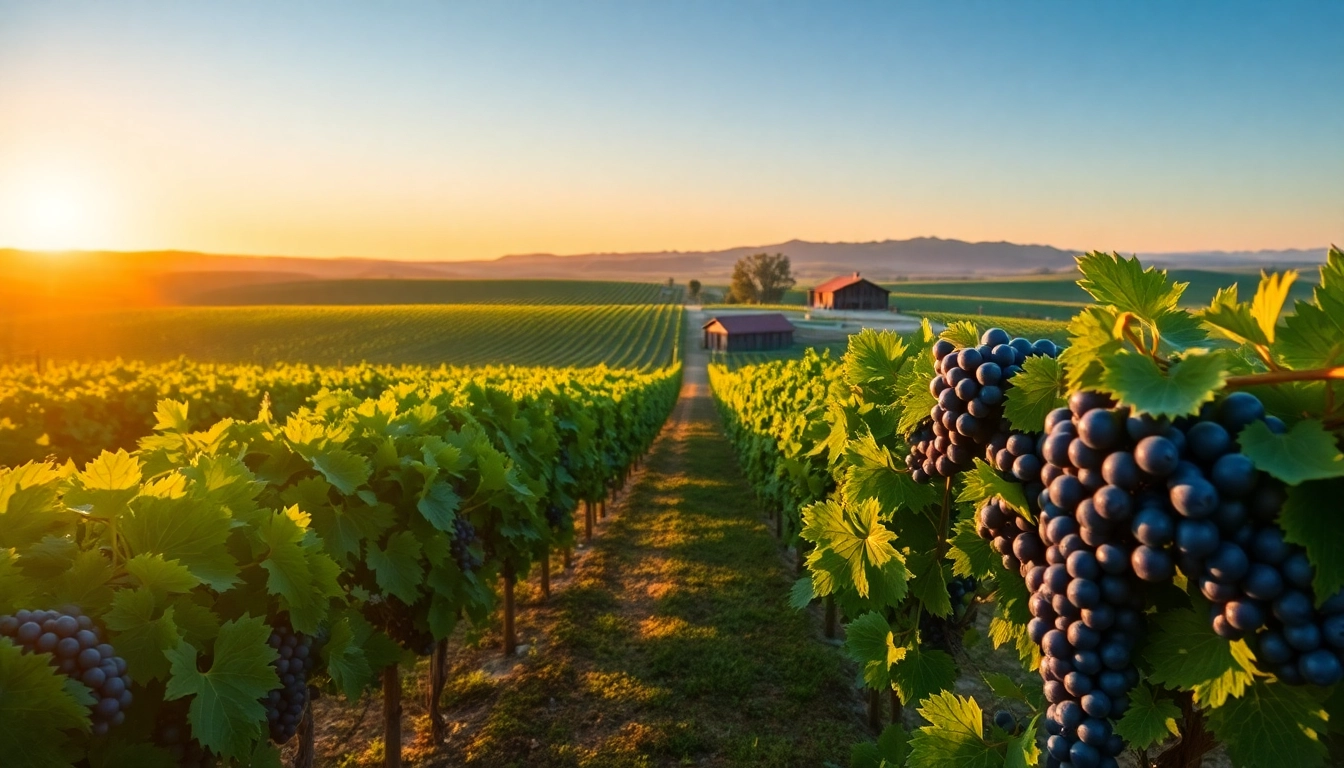
Located at the confluence of the American and Sacramento Rivers, Sacramento is not only California’s capital but also a blossoming hub for wine enthusiasts. Over the years, the region has carved out a niche for itself in the ever-evolving landscape of winemaking, attracting both novice tasters and seasoned connoisseurs. Sacramento wineries boast a unique blend of historical richness, diverse grape varietals, and exceptional tasting experiences, making it an essential stop on any wine lover’s journey. Whether you are a resident looking to explore local options or a tourist aiming to immerse yourself in the Sacramento wine scene, the selection of Sacramento Wineries will not disappoint.
A Historical Perspective on Sacramento’s Wine Industry
The wine history of Sacramento dates back to the mid-19th century, coinciding with the Gold Rush era. As miners poured into the area, so did winemakers in an attempt to cater to the growing population. The Mediterranean climates and fertile soil conditions proved ideal for various grape varieties. However, it wasn’t until the late 20th century that Sacramento began to establish itself as a premier wine-producing region with the emergence of boutique wineries, each aiming to leave a mark on the local industry. The region’s resurgence can be attributed to innovations in winemaking techniques, a commitment to sustainability, and a focus on unique varietals.
Unique Varietals Found in the Region
One of the fascinating aspects of Sacramento wineries is the emphasis on unique and lesser-known varietals. While mainstream grapes like Cabernet Sauvignon and Chardonnay do find their place, many wineries celebrate regional gems such as Tempranillo, Barbera, and Zinfandel. Tempranillo, often associated with Spanish wine regions, has thrived due to its adaptability to the local climate. Barbera, with its low acidity and vibrant fruit character, captivates the palates of those who visit local tasting rooms. Similarly, Zinfandel, while a classic Californian varietal, benefits from the specific terroir present in Sacramento, providing a distinct flavor profile that sets it apart from other regions.
Navigating the Wine Trail in Sacramento
Best Routes for Exploring Wineries
Embarking on a wine tour in Sacramento is an experience that can be as structured or spontaneous as one wishes. The most recommended approach is to take the “Sacramento Wine Trail,” which encompasses some of the region’s finest wineries. Start your journey in the Clarksburg area, home to several award-winning wineries known for their friendly atmosphere and high-quality wines. Continue towards Lodi, just a short drive away, where you can indulge in tastings and scenic vineyard views. Each stop along the trail reveals more about the region’s winemaking culture and provides an opportunity to meet passionate vintners.
Tips for Planning an Effective Wine Tour
Planning a wine tour can be exhilarating but also requires organization to maximize your experience. Here are some tips for a successful day out:
- Book Reservations: Many wineries require advance booking, especially for larger groups. Ensuring your spot will make your tour smoother.
- Designate a Driver: Consider hiring a transportation service or having a designated driver to ensure everyone enjoys the experience responsibly.
- Time Your Visits: Allocate enough time at each winery to savor the wines and soak in the ambiance. About an hour per stop is often ideal.
- Sample Wisely: While it can be tempting to try everything, pacing your tastings will help you appreciate each wine better.
Weekend Getaways: Must-Visit Wineries
For a weekend away, several Sacramento wineries are unmissable. Start with Mokelumne River Winery, renowned for its picturesque settings and exceptional Rhône varietals. Next, head to Old Sugar Mill, a unique venue that houses multiple wineries in a historic sugar mill setting. From there, make your way to Vino Piazza, known for its relaxed vibe and mouth-watering food pairings. Each of these stops contributes significantly to the Sacramento wine experience, leaving visitors enriched and satisfied.
Wine Tasting Experiences at Sacramento Wineries
What to Expect During a Tasting Session
A typical tasting session at a Sacramento winery usually encompasses a guided exploration through multiple wines. Guests can expect to sample a range of varietals paired with informative insights from knowledgeable staff. Tastings often include appetizers or small bites to enhance flavors, and some wineries even offer food-and-wine pairing menus cultivated by culinary experts. This holistic approach not only honors the wines but also highlights the relationship between wine and food.
Pairing Wine with Local Cuisine
Pairing wine with food is an art that is especially emphasized in Sacramento. Many wineries partner with local restaurants or chefs to offer exclusive food pairings during tasting events. For instance, local salmon dishes might beautifully complement a crisp Chardonnay, while rich red sauces can be perfectly rounded out by a bold Zinfandel. Additionally, farmers’ markets in the area provide fresh, local produce, giving wineries even more opportunities to create unique pairings that represent the region’s culinary delights.
Educational Programs for Wine Enthusiasts
For those looking to deepen their wine knowledge, many Sacramento wineries offer educational programs and workshops. These range from vineyard tours that explain the organic farming methods used, to detailed classes on the winemaking process. Some wineries may even offer certification programs for budding sommeliers. Engaging in these educational experiences not only enhances your appreciation for wine but also connects you with a community of like-minded individuals eager to learn more.
Sustainability Practices in Sacramento Wineries
Eco-Friendly Initiatives in Winemaking
Sustainability is becoming increasingly important in the winemaking industry, and Sacramento is at the forefront of this movement. Many wineries have adopted eco-friendly practices, ranging from organic farming techniques to solar energy usage in production processes. For example, drip irrigation systems minimize water waste, while cover crops promote soil health and biodiversity. Wineries also prioritize recycling and waste management initiatives, aiming to lessen their carbon footprints.
The Role of Organic Wines in the Region
Organic wines are gaining popularity among consumers who prioritize health and environmental concerns. In Sacramento, several wineries are becoming certified organic, ensuring that their wines are made without chemical pesticides or synthetic fertilizers. This movement has encouraged consumers to seek out organic options, resulting in a growing niche market. Educating the public on the benefits of organic wines plays a crucial role in this trend, and many wineries focus on transparency about their practices.
Supporting Local Farmers and Artisans
Part of the sustainable ethos in Sacramento wine country is the commitment to supporting local agriculture. Many wineries in the region collaborate with local farmers to source organic fruits, vegetables, and ingredients for wine-pairing menus. This not only enhances the quality of the food served at tasting rooms but also strengthens the local economy. By creating partnerships with farmers, wineries advocate for sustainable practices across the board, contributing to a robust and environmentally friendly agricultural community.
Future Trends in Sacramento’s Wine Scene
Innovations in Winemaking Techniques
The future of winemaking in Sacramento looks promising, with many wineries embracing innovative techniques to enhance quality and sustainability. Practices such as carbonic maceration, which results in exceptionally fruity wines, are gaining traction. Furthermore, advancements in vineyard management technology, such as precision viticulture, allow winemakers to monitor grape health and water needs accurately, optimizing yields and reducing waste. The new generation of winemakers is not afraid to blend traditional methods with cutting-edge science, resulting in unique and memorable wines.
Rising Popularity of Wine Tourism
As interest in wine tourism continues to grow, Sacramento is positioning itself as a prime destination for wine lovers. With its proximity to major metropolitan areas and diverse array of vineyards, there are ample opportunities for immersive experiences tailored to both existing enthusiasts and newcomers. Wineries are investing in marketing, promoting events, and developing unique offerings to attract visitors. Wine festivals, grape-stomping events, and harvest celebrations are becoming more common, providing visitors with unforgettable memories.
The Impact of Climate Change on Sacramento Wineries
Climate change presents both challenges and opportunities for Sacramento wineries. Rising temperatures have led to alterations in growing seasons and varietal success, prompting wineries to adapt their practices and re-evaluate their offerings. Many producers are researching climate-resistant grape varieties and are shifting toward sustainable practices that prioritize resilience. This proactive approach is critical not only to protect the region’s viticulture but also to foster a growing dialogue within the industry about sustainability amid climate challenges.
About the Author