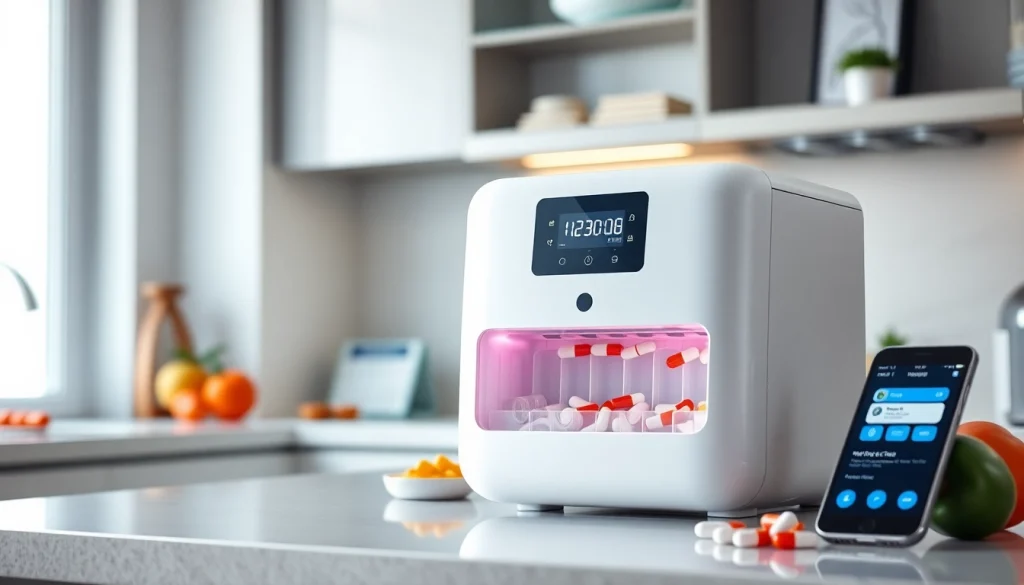
Understanding Automatic Pill Dispenser Technology
As healthcare technology evolves, the role of automatic pill dispensers has become increasingly significant, particularly for patients managing chronic conditions or complex medication regimens. These innovative devices are designed to simplify medication management, providing reminders, dispensing the correct dosage, and enhancing adherence. When exploring options, automatic pill dispensers offer comprehensive insights into the future of medication adherence technology.
What is an Automatic Pill Dispenser?
An automatic pill dispenser is a specialized device that organizes and dispenses medication at scheduled times. Designed primarily for patients who require multiple medications throughout the day, these devices can hold various types of pills and are often equipped with features that assist in medication management. The goal is to enhance adherence, decrease the risk of missed or double doses, and ultimately improve patient outcomes.
Key Features and Benefits
- Scheduling Reminders: Many dispensers come with alarms or notifications, reminding patients when it’s time to take their medication.
- Security Features: Automatic pill dispensers can include locking mechanisms to prevent unauthorized access.
- Integration with Apps: Some modern devices are compatible with mobile applications that allow family members or caregivers to monitor medication adherence remotely.
- Easy-to-Use Design: Most dispensers are user-friendly, often featuring clear instructions and intuitive setups.
How They Work: Mechanics Behind Medication Dispensing
The mechanics of an automatic pill dispenser involve a series of compartments or trays designed to hold pills. These compartments operate based on a pre-set schedule programmed into the device. When it’s time for a dose, the machine rotates or shifts to release the correct amount of medication into a dispensing tray, allowing the patient to easily access their pills. Some dispensers also feature connectivity options, enabling real-time data tracking for caregivers.
Choosing the Right Automatic Pill Dispenser for Your Needs
Selecting the best automatic pill dispenser involves understanding your specific requirements and evaluating different options available in the market. A variety of devices cater to different needs, making it essential to assess what features will best aid the user.
Factors to Consider When Selecting a Device
- Number of Medications: Choose a dispenser that can accommodate all prescribed medications.
- Ease of Use: The device should be simple enough for the intended user, particularly for elderly patients or those with limited dexterity.
- Alarm Systems: Consider dispensers with multiple alert options, such as visual signals and audible alarms.
- Data Tracking: Look for devices with built-in tracking that can communicate with caregivers about medication adherence.
Comparative Analysis of Top Models
When evaluating the top automatic pill dispensers on the market, it’s important to compare their features, prices, and user reviews. Some of the leading models include:
- Hero Medication Dispenser: An all-in-one solution that provides a smart pill dispenser with app integration and 24/7 support.
- MedaCube: Can hold up to 16 different medications, emphasizing user-friendly design and effective medication management.
- MedMinder: Offers both dispensing and monitoring capabilities, known for enhancing medication adherence.
Budgeting: Cost vs. Value of Automatic Pill Dispensers
While budgeting for an automatic pill dispenser, it’s critical to evaluate not just the initial purchase price but also the potential savings in healthcare costs through improved medication adherence. Prices can vary significantly, from under $100 to several hundred dollars, depending on features. Consider long-term value and the impact on overall health management when making your decision.
Implementing Automatic Pill Dispensers in Healthcare Settings
Integrating automatic pill dispensers into healthcare settings requires careful planning and execution to ensure they enhance patient care and operational efficiency. Successful implementation can significantly improve adherence rates and patient satisfaction.
Best Practices for Integrating Technology
- Assess Needs: Evaluate which patients or scenarios would benefit most from the use of automatic dispensers.
- Establish Protocols: Create clear protocols for the use, maintenance, and monitoring of the dispensers.
- Patient Education: Educate patients and caregivers on how to effectively use the tools provided by the dispensers.
Training Staff and Patients on Usage
Training is vital for both staff and patients. Provide detailed instructional sessions to ensure that everyone is comfortable using the automatic pill dispensers. Create easy-to-understand documentation and offer ongoing support to address any concerns that may arise.
Case Studies: Successful Implementations
Several healthcare facilities have reported significant improvements in medication adherence and patient outcomes following the integration of automatic pill dispensers. For instance, a nursing home implemented a smart medication management system, resulting in a 30% decrease in medication errors and increased patient satisfaction ratings.
Ensuring Compliance and Security in Medication Management
Compliance with regulatory standards is critical for the deployment of automatic pill dispensers. Facilities must ensure that their practices align with health regulations and security protocols.
Regulatory Standards for Automatic Pill Dispensers
Automatic pill dispensers must adhere to specific medical device regulations set forth by health authorities. This includes compliance with the Health Insurance Portability and Accountability Act (HIPAA) for patient data protection. Regular audits and checks should be conducted to maintain compliance.
Data Security: Protecting Patient Information
Data security is paramount, as automatic pill dispensers often store sensitive patient information. Implementing robust cybersecurity measures, such as encryption and secure user authentication, helps protect against data breaches.
Challenges and Solutions in Compliance
One major challenge is maintaining compliance with ever-evolving regulations. Continuous education and training for staff on current regulations, coupled with periodic reviews of implemented systems, can mitigate these risks.
Future Trends in Automatic Pill Dispensing Technology
The future of automatic pill dispensers is promising, with advancements predicted to enhance their capabilities significantly over the next few years. With a growing focus on personalized medicine and technology integration, these devices are set to evolve.
Advancements on the Horizon for 2025 and Beyond
Future automatic pill dispensers are expected to feature advanced technologies, including artificial intelligence for predictive analytics and machine learning to optimize medication schedules based on individual patient needs.
Impact of IoT on Medication Management
The Internet of Things (IoT) is poised to revolutionize medication management by creating interconnected devices that communicate with each other and provide real-time data analytics. This will enable healthcare providers to monitor patient adherence remotely and intervene promptly as needed.
Predictions: The Future of Patient Care with Smart Devices
With the integration of smart devices, the landscape of patient care is shifting towards a more proactive, patient-centric approach. Enhanced connectivity will empower patients to take control of their health, leading to better outcomes and overall healthcare savings.